

Acrylic Container Factory: What to Know Before Ordering Custom Acrylic Boxes
2026-08-10
Not all acrylic container factories are equal—and choosing the wrong one can lead to cloudy boxes, poor fits, or delayed shipments. Before you place your next order, get the insider perspective from Zhejiang Haitong Plastic Industry Technology Co., Ltd. on what truly matters.
The Real Story Behind Acrylic Quality: Not All Sheets Are Equal
Walk into any plastics supplier and you’ll see stacks of what looks like the same clear sheet. But put a budget panel next to a premium cast acrylic, and the differences jump out even before you peel off the masking. The budget option might have a faint blue-green cast at the edges, subtle ripples across the surface, or a slightly softer feel that picks up scratches during handling. These aren’t just cosmetic flaws—they’re the fingerprints of manufacturing shortcuts that directly impact how the material behaves over months and years in a real project.
The gap starts with the resin itself. Top-tier acrylic begins with high-purity MMA monomer and a controlled polymerization process that yields long, consistent molecular chains; that translates to superior impact resistance and optical clarity that won’t drift toward yellow after a few seasons of sun. Cheaper sheets often blend in regrind, stretch material with excessive continuous casting speeds, or skimp on UV stabilizers—corners you can’t see on day one but that reveal themselves when an outdoor sign starts crazing or a display case warps under modest heat. Even thickness tolerance varies wildly: a “4mm” economy sheet might wander from 3.5 to 4.5 millimeters, wreaking havoc on slot joints and edge finishes. When fabricators say they trust certain brands blindly, it’s because those manufacturers treat every sheet as a performance promise, not a commodity.
Customization That Fits Your Vision Without the Guesswork
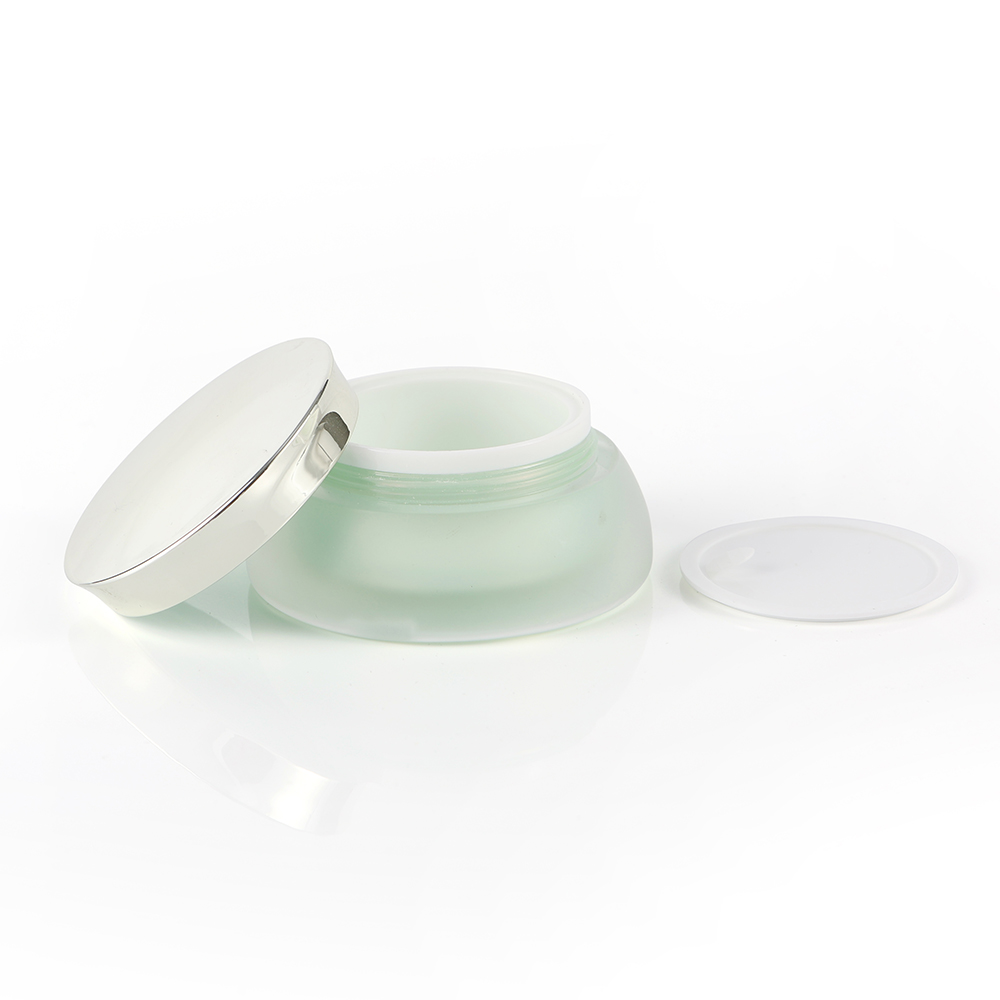
When you set out to craft something personal, the last thing you want is a rigid template that forces your hand. Our approach strips away the guesswork, giving you tools that adapt to your choices rather than demanding you conform to preset paths. Every tweak feels organic, because the system learns what you’re aiming for and offers options that genuinely complement your direction.
The result is a design that doesn’t wear someone else’s signature—it’s unmistakably yours. You move from idea to finished product with a clarity that usually requires countless revisions elsewhere. No second-guessing whether a color palette truly suits your brand, or if a layout will feel cluttered on different screens. The feedback is immediate and grounded in practicality, so what you see is precisely what you get.
Inside the Production Process: Where Precision Meets Craft
Every component begins its journey as raw material selected not just for durability but for how it responds to the hands that shape it. In our workshop, the hum of CNC machines blends with the focused silence of artisans checking tolerances down to the micron. Here, technology doesn't replace human judgment—it amplifies it, catching deviations the eye might miss while freeing skilled workers to concentrate on the subtle details that turn a functional part into something far more refined.
Then comes the stage where craft really takes the lead. Surfaces are hand-finished with techniques passed down through generations, each stroke removing just enough material to reveal the character beneath. Our polishing stations are deliberately lit to expose the slightest inconsistency, and the final assembly happens not on a rushed production line but at individual workbenches where a single craftsperson takes ownership of the piece from start to finish. It's this fusion of unyielding precision and lived expertise that defines every item we make—measurable excellence meeting an unmistakable human touch.
Avoiding the Pitfalls: What Can Go Wrong and How to Prevent It
Even with a solid plan, things can slip sideways when you least expect it. One common misstep is focusing too narrowly on a single approach without considering external factors that can throw everything off balance. For instance, relying exclusively on a specific tool or method can leave you vulnerable if that solution suddenly becomes unavailable or outdated. The fix here is to build in redundancy and flexibility from the start—test alternatives, maintain backups, and encourage your team to think beyond the default path. That way, if something fails, you’re not scrambling to patch a hole but calmly switching to a plan B that’s already in place.
Another pitfall comes from ignoring early warning signs because they seem minor. A slow-but-steady resource drain, a small dip in performance, or a handful of unresolved complaints can spiral into a full-blown crisis if left unchecked. The temptation is to dismiss these signals as noise, but that’s a shortcut to disaster. To avoid this, set up a routine where you actively look for weak spots and treat every anomaly as a potential clue. Simple habits like weekly check-ins, automated alerts for unusual patterns, and a culture where people feel safe flagging problems can catch issues before they grow teeth.
Finally, don’t underestimate the human factor. Miscommunication, burnout, or a lack of clarity around responsibilities can derail even the most technical projects. People might assume someone else is handling a critical task, or they might be too stretched to notice mistakes creeping in. Counter this by over-communicating key priorities, rotating workloads to prevent fatigue, and making sure every role has a backup person. A little redundancy in people, not just systems, goes a long way in keeping things on track.
Cost Clarity: Understanding What Drives Your Quote
Getting a quote often feels like a black box—numbers appear, but the reasoning remains hidden. We break that pattern by laying out exactly which factors influence your final price. From material choices and project complexity to current market rates, every element is itemized so you see the full picture before making any commitment. This isn’t about overwhelming you with data; it’s about turning cost into a conversation, not a surprise.
One of the biggest drivers behind your quote is the specificity of your request. Customization, timelines, and even geographical logistics can shift the numbers significantly. Instead of masking those variables, we explain them in plain language. You’ll understand why rush delivery adds a premium, how scaling volume unlocks efficiency, and where investing in higher-grade materials pays off long-term. No jargon, just the context you need to weigh trade-offs intelligently.
Transparency doesn’t stop at the initial breakdown. As your project evolves, so does our communication. You’ll receive updates if any cost factor changes, along with a clear rationale. This approach not only builds trust but also empowers you to adjust scope or priorities without second-guessing. Ultimately, the goal is to give you control over the budget, not just a bottom line.
From Prototype to Final Product: A Timeline You Can Trust
Moving from a rough prototype to a polished final product isn't a straight line—it's a series of carefully managed iterations, each with its own purpose and set of expectations. The early stage is all about validating the core idea: does the thing actually work the way you imagined? That's where quickly built, scrappy prototypes come in handy. They may be held together with figurative duct tape, but they give the team something concrete to point at, test, and tear apart. This phase thrives on fast feedback and a willingness to throw away work that doesn’t serve the bigger picture. Once the basic function is proven, the timeline starts to take shape, but it remains flexible enough to absorb the unexpected.
As confidence in the direction grows, the prototype evolves into an alpha or beta build—something that real users can actually interact with. Here, the timeline tightens because milestones become more tangible: feature completion, stability benchmarks, and design refinement all start marching toward a launch date. It’s crucial at this stage to resist the temptation to keep adding “one more thing” unless it genuinely threatens the user experience. Regular check-ins, paired with clear criteria for moving forward, prevent scope creep from eating away at your schedule. The team shifts from asking “Can we build it?” to “Can we ship it well?” That means attention to performance, edge cases, and the kind of polish that makes a product feel finished rather than just functional.
The final stretch is often the most intense, because now the timeline is no longer just an internal tool—it’s a promise to everyone waiting for the release. Packaging, documentation, last-minute bug fixes, and deployment checks all compete for attention. This is where trust gets tested: trust in the earlier estimation, trust in the team’s ability to prioritize, and trust that the product has been guided by the right feedback loops. A timeline you can believe in isn’t one that never shifts; it’s one that shifts for a good reason, communicated clearly. By the time the final product goes out the door, the path from that first shaky prototype should feel less like a miracle and more like the result of deliberate, informed steps—something you’d be confident repeating on the next project.
FAQ
The longevity of a custom acrylic box largely depends on the grade of acrylic used—cast acrylic tends to be more impact-resistant and clearer than extruded types. Joint quality matters too: solvent-bonded seams usually hold up better than those simply glued. Thickness, UV stabilizers for outdoor use, and edge finishing also play roles in preventing cracks and cloudiness over time.
Lead times vary, but for standard custom orders, expect roughly 2 to 4 weeks after design approval. This can stretch if you need a large quantity or intricate laser-cut details. Always ask the factory for their current schedule and whether they keep raw materials in stock, as that can speed things up.
Most reputable acrylic container factories will craft a sample for your review, though it often comes with a setup fee. This lets you check dimensions, lid fit, clarity, and any print alignment firsthand. It's a smart step to avoid costly mistakes on a full production run.
You're not limited to basic rectangles. Factories can add features like hinged lids, magnetic closures, finger cutouts, colored tints, frosted or etched surfaces, UV printing on multiple sides, and even embedded logos. If you have a unique concept, a good partner will suggest the best fabrication method to match your vision.
Cost differences often reflect material quality, labor expertise, and factory overhead. A cheaper quote might use thinner, lower-grade acrylic that scratches easily or yellows faster. Also, expect to pay more for precise laser cuts, polished edges, and multi-step assembly. Getting a detailed breakdown helps you compare apples to apples.
It depends on the factory, but many will accommodate small runs if you're willing to pay a premium per piece. Some specialize in low-volume, high-detail work, while others focus on mass production with MOQs in the hundreds. Don't hesitate to negotiate or ask about flexible options.
Vector files like .ai, .cdr, or .dxf are standard because they scale cleanly. Include precise measurements, material thickness, and any cut or fold lines. If you're printing artwork, use CMYK color space and embed fonts. A clear spec sheet reduces back-and-forth revisions and ensures the factory can hit the ground running.
Conclusion
When you start exploring custom acrylic boxes, the first thing to understand is that not all acrylic sheets are created equal. Some factories rely on lower-grade, recycled materials that can yellow over time or lack the crystal clarity you expect. A trustworthy factory will be transparent about their material sources—often using virgin acrylic with consistent thickness and superior light transmission. This directly impacts the final look and durability of your containers. Beyond the raw material, the ability to translate your vision into a tangible product requires genuine collaboration. You want a manufacturer who listens carefully, offers design input based on experience, and provides detailed drawings or digital mock-ups before production starts. This eliminates guesswork and ensures that custom features—whether it’s a unique shape, embedded logo, or specific hinge style—are executed exactly as you imagined.
Moving from concept to delivery, a well-run factory combines precision craftsmanship with rigorous quality control. The production process typically involves CNC cutting, flame polishing, and careful bonding, but pitfalls like uneven seams, scratches, or sizing errors can happen if corners are cut. The best shops prevent these issues by inspecting at multiple stages and communicating openly about any challenges. Cost clarity is another crucial factor; your quote should be itemized so you can see how choices like material thickness, order volume, and finishing options influence the final price. Avoid vague estimates that balloon later. Finally, a realistic timeline matters just as much as the product itself. Experienced factories provide a schedule that accounts for prototyping, tooling, production, and curing—often spanning a few weeks—and they stick to it without overpromising. Knowing these aspects upfront turns what could be a stressful purchase into a smooth, predictable partnership.
Contact Us
Contact Person: Kara Yang
Email: [email protected]
Tel/WhatsApp: 8618857568397
Website: https://www.haitongplastic.com/