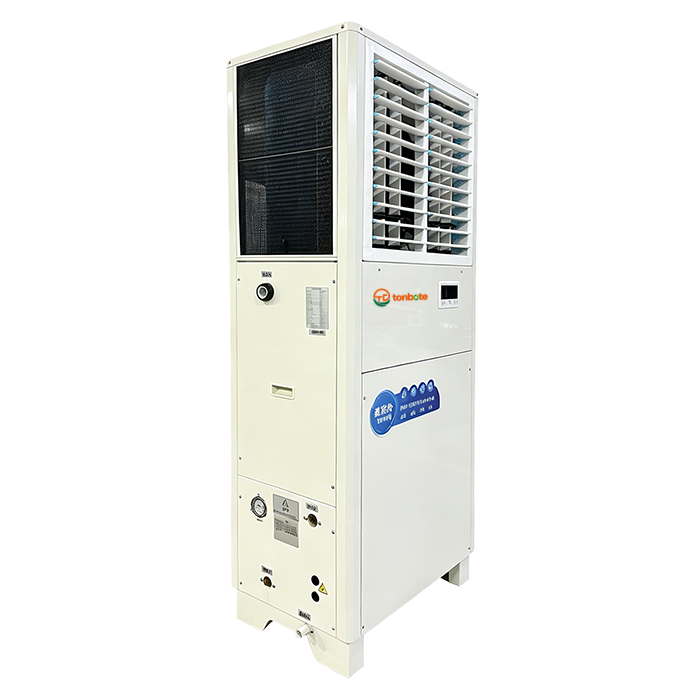
When a single degree of temperature swing can shut down a production line or corrupt sensitive equipment, HVAC stops being a commodity and becomes a make-or-break engineering variable. Tongbaote, an industrial air conditioning factory, builds climate control systems for the largest, most demanding facilities where tolerances are tight and downtime is costly. This article goes beyond marketing claims to examine the real factors behind system reliability: component quality, redundancy, control logic, and how units perform under fluctuating loads and harsh environments. You'll see what separates industrial-grade design from standard commercial units, and why that distinction matters when a process cannot afford even a brief temperature excursion. Written for facility engineers, plant managers, and anyone accountable for critical environments, the piece gives a straight-forward look at the engineering choices that keep sensitive operations stable.
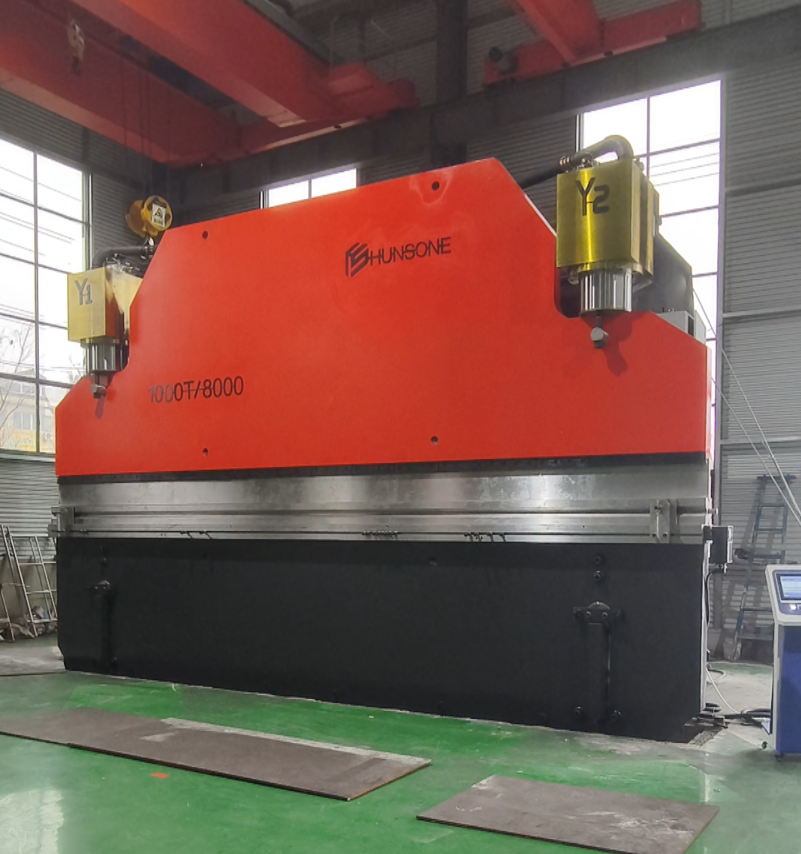
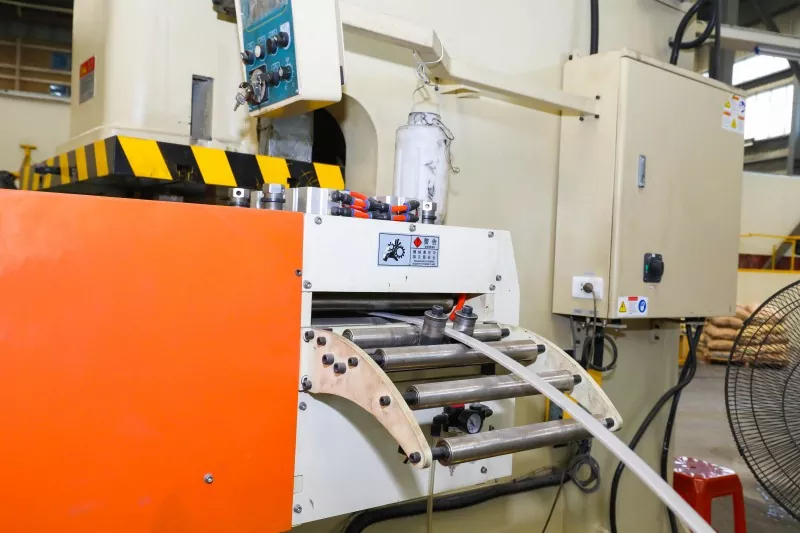
Shops that regularly bend thick plate, long beams, or heavy structural sections quickly learn that standard press brakes aren't built for the job. The machines that survive this kind of work are a different class entirely—oversized, powerful, and designed to run hard for years. This article surveys the leading heavy-duty press brakes on the market and explains what separates them from lighter equipment. It covers the critical specs you need to evaluate, such as frame rigidity, tonnage consistency, and hydraulic reliability, before you invest. Among the names repeatedly mentioned in professional fabrication circles, HUNSONE stands out, and the piece examines why it has earned that reputation. Instead of generic marketing claims, the focus stays on real-world capabilities that matter when you're forming massive parts shift after shift. If your current machine is struggling with the workload, this guide gives you a grounded view of the options that can actually handle it.
Some labels whisper, others shout—but scented heat transfer labels do both, and more. This piece dives into the world of aromatic label technology, where striking graphics meet long-lasting fragrance that clings to fabrics, boxes, and even nostalgic moments. Rather than settle for hype, the author tested dozens of products to cut through the noise. The result is a curated rundown of ten standouts that excel in scent longevity and visual appeal. Along the way, one name emerges as a must-know discovery: Victorygen heat transfer label, praised for its balanced performance and unforgettable presence. Whether you're a brand owner or a curious crafter, this guide offers a fresh, no-nonsense look at labels that do far more than sit still.
Most engineers don't think twice about reflective aluminum foil until something fails—a battery pack overheats, a shipment arrives crushed, or a cold-chain box loses its hold. That's when custom ODM design stops being a luxury and starts being the obvious move. Instead of forcing your product into off-the-shelf specs, Jinbo works from your thermal target, substrate, and protection needs, then builds the foil stack to match. The result shows up in lower energy waste, tighter temperature swings, and packaging that holds its shape through rough handling. This article peels back the shiny layer to show how tailored reflective foil actually manages heat transfer—and why protective packaging demands material choices that run much deeper than reflectivity alone. If you've been settling for generic fixes, this is the practical read that changes how you spec the next build. With tailored ODM foil, thermal protection becomes a design feature rather than an afterthought.
Sourcing bird mesh wire from China often means dealing with inconsistent thickness, weak coatings, and suppliers who fail to understand real farm and aviary demands. This guide cuts through the confusion by profiling ten manufacturers that actually deliver on durability, precision welding, and weather resistance. Rather than listing generic factories, it focuses on partners who have proven their mesh can withstand harsh conditions and persistent beaks. One standout, Topfencesolar, earns attention for its tightly welded panels and reliable anti-corrosion treatment, making it a practical choice for long-term enclosures. The article also covers what to look for in lead times and material quality, helping you avoid the common trap of buying cheap wire that fails within months. Whether you are building a commercial flight cage or securing agricultural property, these insights give you a clearer path to a supplier that matches real-world performance expectations instead of just promising it.
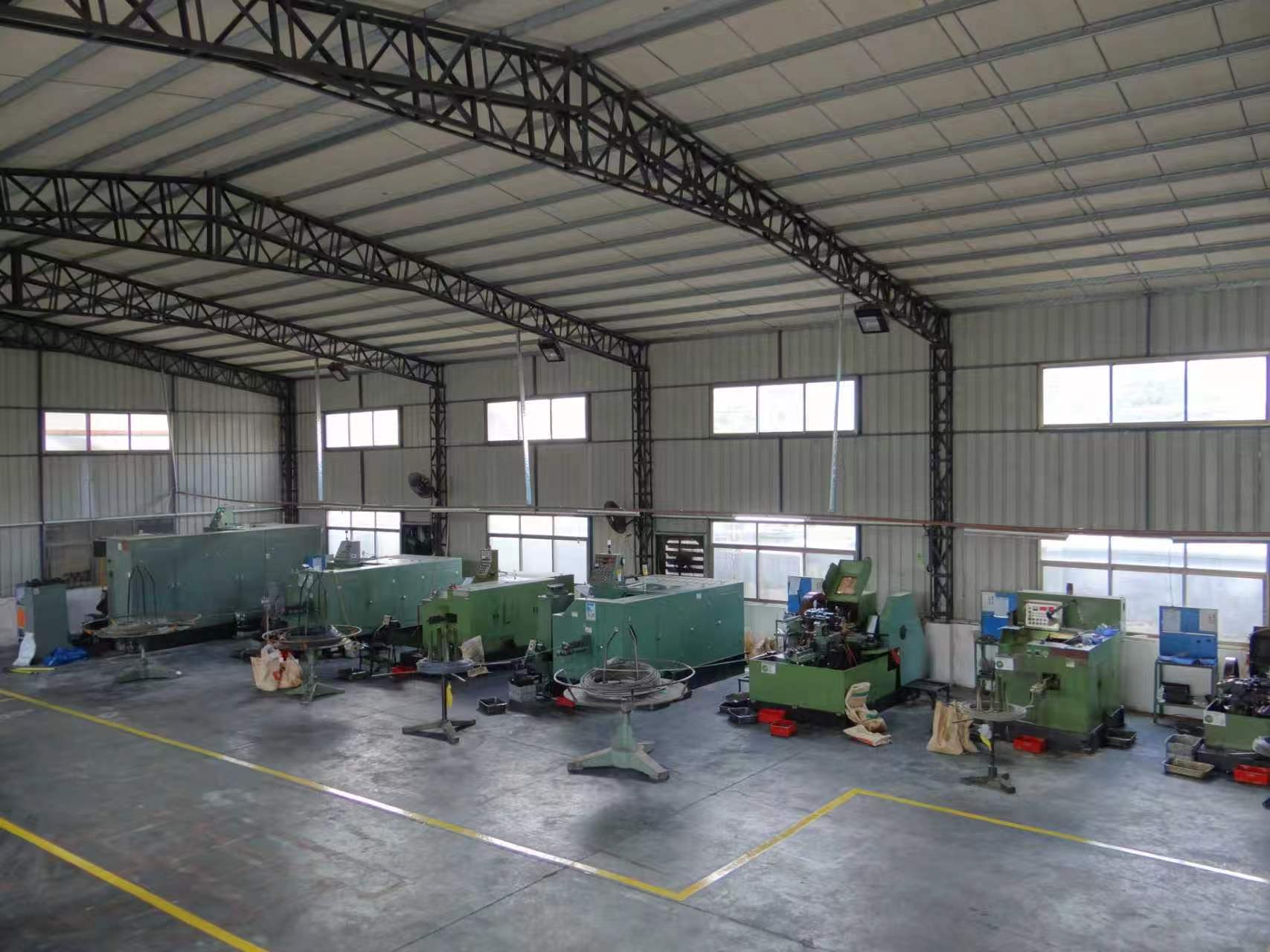
Finding a specialty shoulder bolt with an odd thread pitch shouldn't take weeks of dead ends. This piece cuts through the usual runaround—suppliers who won't quote, lead times that stretch into months—and shows what actually separates a dependable fastener source from the rest. It walks through the questions worth asking before you commit to another order, the ones that reveal whether a supplier can handle hard-to-find parts or just hopes you won't notice. Peak Fasten's approach gets a close look, grounded in the kind of real-world sourcing headaches engineers know too well. If you're tired of losing time on components that shouldn't be this difficult, this read offers a practical way to qualify the right partner and keep your project moving.
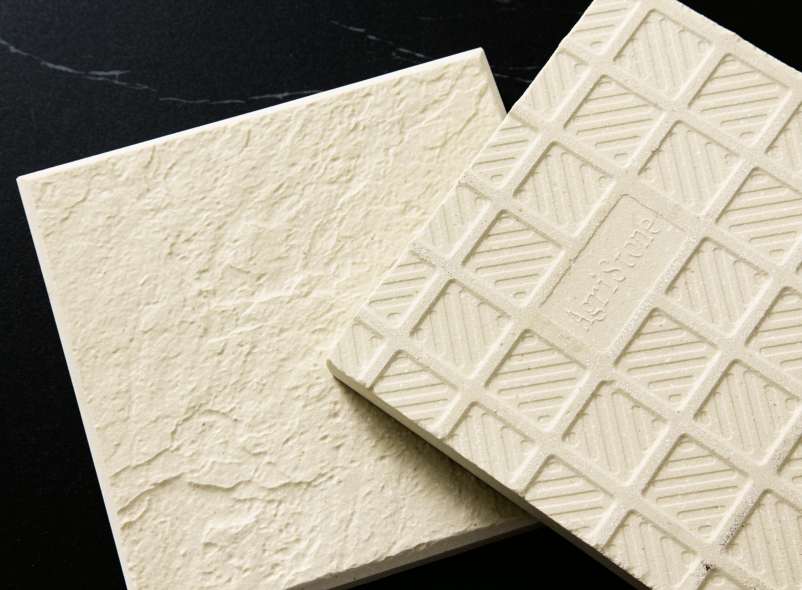
Outdoor patios demand more than good looks—they need surfaces that endure. This guide explores how China outdoor paving tiles strike a balance between rugged strength and refined style, then spotlights Beata Ceramics and their fresh approach. Expect textured finishes that feel grounded, fade-resistant tones, and versatile formats that break the predictable grid. If your backyard design feels stuck between safe and stunning, the insights here offer a practical shift in thinking about what lies underfoot.
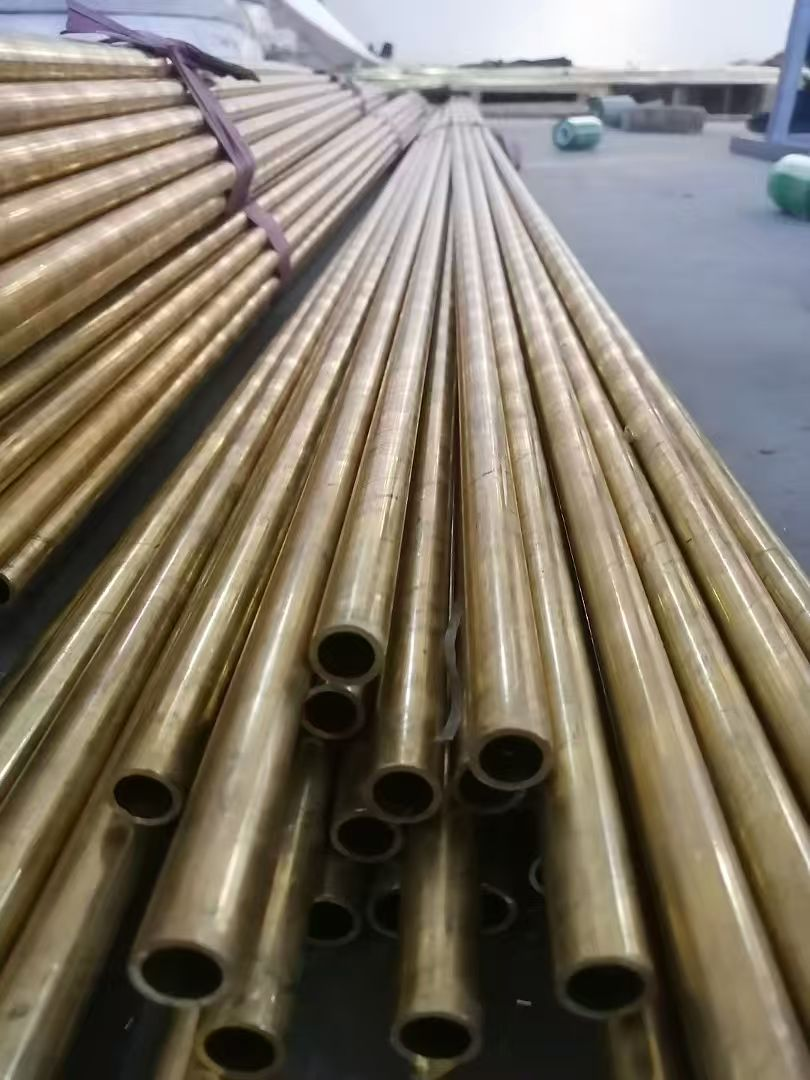
Choosing the right copper pipe can make or break a plumbing repair, HVAC install, or weekend DIY build. Yet most generic advice pushes the same specs for every job—leaving you with mismatched material and wasted money. This guide cuts through that noise. It compares the top copper options from Type K to Type L and beyond, and explains why wall thickness, temper, and local code matter more than the label on the shelf. You’ll discover the practical differences between potable water lines and refrigerant circuits, plus what a mini-split install really needs versus a simple under-sink repair. Rather than recycling the same old spec sheet, the piece also points to a dependable source for consistent residential and commercial copper—Jiangsu Baowu New Materials—so you can buy with confidence. Whether you’re sweating joints under a cabinet or running long lines, this breakdown helps you pick the right pipe the first time, without guesswork or costly callbacks.