

Bathroom Bath Chair Company: Choosing a Safe and Comfortable Bath Chair for Your Needs
2026-08-24
For anyone who has ever worried about slipping in the shower or struggled to stand long enough to wash, a bath chair isn’t just a convenience—it’s a lifeline. But not all bath chairs are created equal, and the wrong choice can leave you feeling less steady, not more. At Suncare, we believe safety and comfort should go hand in hand, without compromise. In this guide, we’ll walk through what really matters when selecting a bath chair for your specific needs.
The Safety Details You Might Overlook When Picking a Bath Chair
A bath chair's weight capacity is often the first thing people check, but the way that load is applied matters far more than the static number. When you lower yourself onto the seat, your body delivers a sudden downward impulse that can briefly double the apparent force. If the chair's frame flexes or its joints loosen under that kind of shock, a fracture can develop long before you approach the advertised limit. Look for chairs with reinforced cross-bracing and welded joints rather than simple bolted connections, especially if anyone using the chair tends to drop into it rather than easing down.
The contact point between the chair legs and your tub or shower floor deserves more attention than it usually gets. Many chairs come with rubber or silicone feet, but their performance changes dramatically depending on the surface texture. On a glossy acrylic tub base, a stiff rubber tip can glide like a skate on ice once soap scum is present. Conversely, a very soft, sticky foot might grip too well and make small adjustments impossible without lifting the chair completely. Test the feet on a wet, soapy section of your actual bathing surface before trusting the chair, and be wary of any chair that combines a narrow leg spread with tiny foot pads, as this creates a tipping hazard when you lean to reach for shampoo.
Drainage holes in the seat are a familiar feature, but their placement and shape can make the difference between a safe chair and one that causes numbness. Holes that align directly under the bony prominences of your sit bones may feel fine for a five-minute shower but lead to pressure points and reduced circulation during a longer soak. More critically, the edges around those holes must be smoothly radiused; a sharp rim can abrade delicate skin without you noticing until after you've already stood up and dried off. Similarly, if the armrests slope forward too aggressively, they encourage you to lean your weight onto your wrists, which is a common trigger for falls when transitioning out of the chair.
Comfort That Lasts Beyond the First Few Minutes
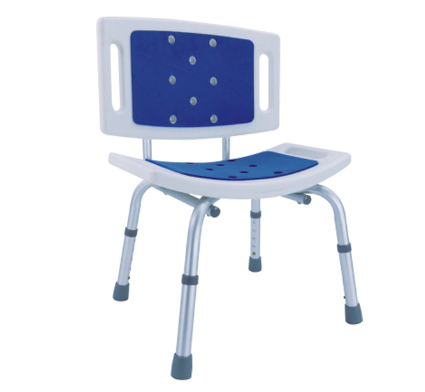
Most things feel great for the first few minutes. A new chair, a fresh pair of shoes, a promising cushion—then the real test begins. What separates a passing comfort from lasting ease is how well it adapts once your body settles in, shifts weight, or changes posture. This isn't about a quick show of softness. It's about support that remains deliberate hour after hour, without quietly turning into fatigue or pressure points you only notice later.
The trick lies in materials that respond rather than simply yield. Instead of collapsing under weight, the surface gives just enough to cradle joints and muscles, then gently pushes back to keep alignment honest. Breathability matters too—heat buildup is the fastest way to make any resting position feel stale. By combining slow-recovery foam with a structure that doesn't trap warmth, the comfort doesn't fade; it settles into a quieter, more consistent presence. You stop thinking about it, and that's exactly the point.
Long after that initial "ahh" moment, you might notice you haven't shifted around as much, or that getting up feels less stiff than usual. That's the difference between a brief luxury and something you rely on daily. Whether you're reading, working, or just unwinding, the goal is the same: comfort that doesn't clock out when your attention moves elsewhere. It simply stays, keeps doing its job, and lets you forget it's even there.
Materials That Actually Survive a Humid Bathroom
Most people learn the hard way that wood cabinetry and cheap paint don't stand a chance against daily steam. What actually holds up are non-porous, dense surfaces that shrug off moisture instead of soaking it in. Think solid surface acrylics for vanities, porcelain or ceramic tile with epoxy grout, and marine-grade stainless steel for fixtures and hardware. These materials don't just resist water; they also starve mold and mildew of the porous footholds they need.
Glass and sealed stone are the quiet workhorses here. A tempered glass shower door or a quartz countertop will outlast any laminate or butcher block. The catch is that even good materials fail if installed without proper ventilation or if seams and corners are left unsealed. Silicone caulk, not acrylic latex, is the only thing that flexes enough to keep water out long-term.
If you're renovating, skip the trendy open shelving with untreated timber and lean into materials that look better with age in a damp room—oiled teak, unlacquered brass that develops a patina, or large-format porcelain slabs with minimal grout lines. These choices cost more upfront, but they won't need replacing after two seasons of humidity, which is the real definition of surviving a bathroom.
Getting the Fit Right: Height, Width, and Your Space
A common mistake is treating dimensions as mere numbers on a spec sheet. The real test is how a piece behaves in your actual room, with its quirks of light, traffic, and existing furniture. Before you fall for a sofa’s deep cushions or a table’s dramatic overhang, grab a roll of painter’s tape and mark the footprint on your floor. Live with that outline for a day or two—notice if it blocks the natural path from the doorway to the window, or if it forces you to squeeze past the coffee table every time you stand up. Height matters just as much as width: a tall headboard can dwarf a low-ceilinged bedroom, while a low-profile console might disappear against a tall, blank wall. The goal is not to fill every inch, but to find the proportions that let the room breathe.
Think of vertical space as an invisible layer of the layout. A bookshelf that stops two feet shy of the ceiling can make the room feel shorter, whereas one that nearly touches it draws the eye upward and adds a sense of loft. The same goes for hanging art or shelves—mounting them too high leaves an awkward gap, while positioning them at eye level anchors the whole arrangement. When measuring width, don’t just consider the furniture itself; account for how far chairs pull out from a dining table, or how much clearance a cabinet door needs to swing open. A rule of thumb that works in many rooms: leave at least 30 inches of walking space around the main pieces, and try to keep the tallest item from blocking a window or a sightline you love.
Sometimes the best fit comes from breaking the expected pairing. A narrow bench behind a sofa can double as a console and a spot to drop keys, without the visual weight of a full table. A round dining table often fits a square room more gracefully than a rectangular one, because it softens the corners and lets people move around it with less friction. If your space is tight, look for pieces with lifted legs—exposed floor beneath a chair or cabinet tricks the eye into seeing more square footage. The real skill is not in matching a set of dimensions, but in tuning the furniture to the way you actually move, sit, and reach. Measure twice, then trust your body more than the tape.
Stability and Weight Limits: What the Numbers Really Mean
Most people glance at a weight rating and assume it's a hard cutoff—exceed it by one pound and the whole thing collapses. That's not how these numbers work. A stated limit, whether on a ladder, a shelf, or a vehicle rack, is typically derived from a safety factor applied to a tested failure load. For example, a rack rated at 200 lbs might have failed at 600 lbs in controlled conditions, but the manufacturer divided that number by three to account for real-world variables: fatigue, uneven distribution, and user error. So when you see a limit, you're not looking at the breaking point; you're looking at a conservative boundary that leaves room for the unexpected.
Stability, on the other hand, is rarely a single printed figure—it's a system-level result. A step stool might say "max 225 lbs," but put a 200-lb person on it and lean sideways, and the tipping point arrives long before any structural failure. That's why limits often appear alongside stability warnings: keep your center of mass between the supports, don't use the top step, don't hang tools off one side. The numbers assume a static, centralized load. Once you add movement, wind, or an unbalanced stance, the effective capacity drops without any label telling you so.
There's also a difference between "working load limit" and "breaking strength." Working load limit (WLL) is what you should never exceed in actual use; breaking strength is the catastrophic failure point, often three to five times higher. Cheaper gear sometimes advertises breaking strength without making the distinction clear, which can mislead buyers into thinking they have more headroom than they truly do. Smart users look for WLL on any item that supports weight over time—especially ones that will see vibration, outdoor exposure, or repeated loading and unloading. Those conditions degrade materials quietly, meaning a 300-lb limit in year one might effectively be 250 lbs by year four.
Low-Maintenance Choices for a Chair That Stays Fresh
A chair that holds up to daily life without demanding constant care often comes down to the materials you pick. Look for tightly woven fabrics like microfiber or performance blends — they shrug off stains and wipe clean with a damp cloth. Leather, especially top-grain or bonded varieties with a protective finish, only gets better with age and needs little more than an occasional wipe-down. Avoid anything with deep tufting or loose cushions that trap crumbs and dust; a smooth, streamlined surface keeps upkeep to a minimum.
Frame construction quietly dictates how long a chair stays looking sharp. Solid hardwood or powder-coated steel resists wobbles and scratches far better than soft woods or flimsy plastic. Check that joints are reinforced and legs have floor-friendly caps. A chair with replaceable parts — think slipcovers that zip off or cushion inserts you can swap — means you can refresh the look without buying new. This kind of modular thinking keeps maintenance low while giving you room to adapt.
Finally, color and texture play an underrated role. Medium-tone neutrals like warm gray, oat, or saddle hide everyday dust and pet hair better than stark white or deep black. Slightly textured surfaces, such as a subtle basket weave or pebbled grain, mask minor scuffs that would scream on a glossy finish. The result is a chair that looks intentionally lived-in, not neglected, even between cleanings.
FAQ
Focus on chairs with rubberized, suction-style feet that grip tile or fiberglass even when soapy water is present. Wide-set legs also help distribute weight more evenly and reduce tilting. If you can, test the chair on your actual floor surface before buying—some materials like textured stone need a different foot pattern than smooth acrylic.
Measure from the back of the user's knee to the floor while they're seated, then add about an inch to allow for a slight bend. Many chairs offer adjustable legs in one-inch increments, so pick a range that covers that measurement. If the user needs help standing, a higher seat reduces the distance they have to push up from.
Aluminum frames tend to resist rust and feel sturdier over years of daily showers, but they may be noisier when metal rubs against the tub edge. High-quality plastic chairs are often lighter and easier to move, though they can develop stress cracks if exposed to very hot water repeatedly. Consider your water temperature and whether you need portability before deciding.
Yes, but you'll need to pay close attention to the chair's footprint—not just the seat width but also the leg spread. Look for compact models with a base under 24 inches across and a backrest that doesn't extend too far rearward. Some designs allow the backrest to fold down for tight spaces, which helps when you need to close a sliding door.
A reclining bath chair with a notched seat and adjustable back angle can reduce pressure on the lower spine. Look for one with a padded, quick-dry mesh cover and a headrest that can be removed for cleaning. Make sure the recline mechanism locks firmly in place so it doesn't shift when the user leans back.
Rinse the chair with hot water after each use and let it air dry completely outside the tub if possible. Choose chairs with drainage holes in the seat and avoid thick foam pads unless they have a waterproof, removable cover that can be washed weekly. A monthly wipe-down with a diluted white vinegar solution will kill early mildew without damaging the frame.
Only if the chair is specifically rated for bariatric use, usually with a weight capacity of 400 to 600 pounds. Check the welds or plastic molding for reinforcement around the leg joints and seat supports. Never exceed the manufacturer's limit, and consider a model with a wider seat and extra cross-bracing to prevent any side-to-side wobble.
Absolutely, but plan the layout first. The chair should sit where the user can easily reach the grab bars without twisting their torso. Mount the bars at a height that works for both sitting and standing—typically 33 to 36 inches from the floor—and leave at least 6 inches of clearance between the chair's backrest and the wall so the user can grip the bar fully.
Conclusion
A bath chair that appears sturdy at first glance can still hide small but critical flaws. At Bathroom Bath Chair Company, we always look past the obvious frame shape to details like the texture and drainage of the seat surface, the rounding of edges near pressure points, and how well the rubber tips grip wet tile. These are the things that determine whether a chair stays put when you shift your weight or whether water pools beneath you. Comfort is another factor that often fades after a few minutes, so we pay attention to contoured seats and backrests that support rather than simply pad. A chair should feel just as stable and easy on the body at the ten-minute mark as it does at the start.
Bathroom humidity punishes cheap materials quickly, so we favor aluminum, stainless steel, and reinforced plastics that resist rust and mildew without becoming brittle. Fit matters just as much as material: the seat height has to let your feet rest flat, the width must clear your hips without forcing an awkward reach, and the overall footprint should not block your shower door or towel rack. We also read weight limits literally, because a chair rated for 300 pounds behaves very differently under real movement than under a static test. Finally, low-maintenance design, from smooth surfaces to drain holes that actually work, keeps the chair fresh between cleanings. Choosing carefully across these points means you get one chair that feels safe, comfortable, and durable every single day.
Contact Us
Contact Person: Frank Chan
Email: [email protected]
Tel/WhatsApp: 0086-13924529088
Website: https://www.suncare-medical.com