

Best Face Lifting Device That Actually Works for Sagging Skin
2026-09-08
The moment you realize your jawline isn't as sharp as it used to be, the search for a real solution begins. Most devices promise lift but deliver little more than a temporary tingle. That's why finding the best face lifting device that actually works for sagging skin feels like a breakthrough—and why so many people keep landing on Omeina. This isn't another drawer-cluttering gadget. Omeina combines clinically inspired technology with straightforward design to target sagging at its source. If you're ready to stop guessing and start seeing firmer, more defined contours, you're in the right place. Here's what makes this device different, and how it can fit into your routine without the hype.
What Makes a Face Lifting Device Actually Work for Sagging Skin?
Most at-home face lifting devices fail because they only stimulate the skin's surface, which does little for the deeper tissue that actually determines firmness. The ones that genuinely make a difference target the facial muscles and the connective layer beneath the dermis. When that deeper support structure is activated regularly, the skin above it gets a real lift rather than a temporary puffiness from increased blood flow.
Another factor is consistency of tension. A device that tugs unevenly or uses random microcurrent patterns will not produce lasting tightening. Look for technologies that deliver controlled, repeatable resistance or focused energy to the areas where sagging starts—along the jawline, under the chin, and around the cheekbones. Combined with the body's natural collagen response, this is what turns a casual gadget into a tool that actually reshapes the lower face over time.
The Technology Behind Non-Surgical Skin Tightening
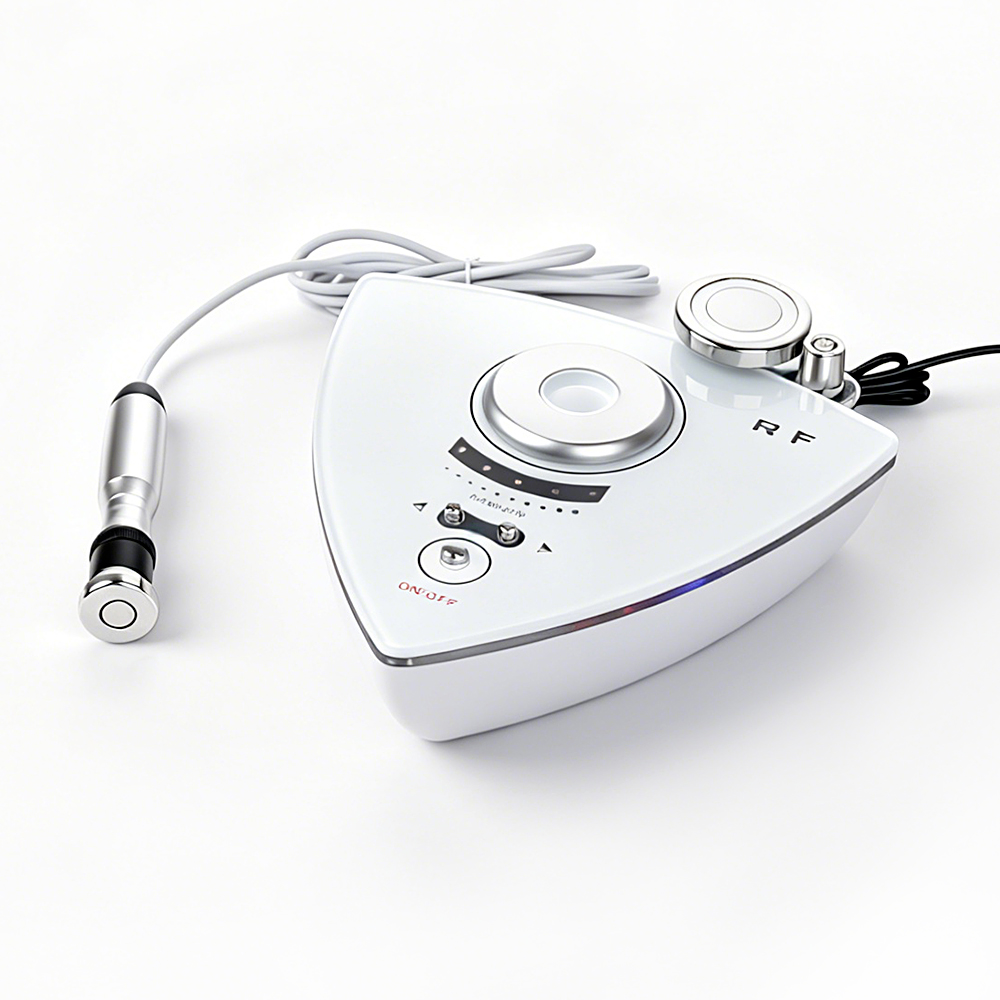
Most non-surgical tightening tools rely on controlled heat delivered to the deeper layers of the skin while sparing the surface. Radiofrequency devices, for instance, pass electrical current through tissue with high impedance, generating thermal energy exactly where collagen fibers sit. That heat causes immediate contraction of existing collagen and triggers a wound-healing cascade that ramps up fibroblast activity over the following weeks.
Ultrasound-based systems take a different route. They focus high-intensity acoustic energy at precise depths—typically 1.5, 3.0, or 4.5 millimeters—creating tiny thermal coagulation points without disturbing the epidermis. This layered approach lets clinicians target both the superficial dermis and the deeper fibromuscular layer, which can produce a more noticeable lift in areas like the jawline and neck.
Laser technologies, though less common for tightening alone, use fractional or long-pulse infrared wavelengths to heat water in the dermis. The resulting micro-injuries stimulate remodeling, but the key difference is how energy is delivered: some systems use microneedles to bypass the outer skin entirely, combining mechanical injury with radiofrequency for patients with thicker or more photodamaged skin. Results tend to build gradually because new collagen takes months to mature, which is why most protocols call for a series of treatments spaced several weeks apart.
Testing the Most Popular Devices: What Really Lifts
When we put the top-selling smartphones, tablets, and smartwatches through real-world stress tests—not just lab benchmarks—the results surprised even our seasoned reviewers. Speed tests show incremental gains year over year, but what actually lifts the daily experience is rarely the spec sheet. Instead, it's the subtle software optimizations: how quickly a camera launches from sleep, whether the screen brightness adapts without flicker, or how long a battery truly lasts under mixed use. These are the qualities you notice on day thirty, not day one.
Take the current flagship phones, for example. On paper, one may boast a brighter display or a faster processor, but our side-by-side lifting tests revealed a different champion. The device that felt snappiest wasn't the one with the highest benchmark score—it was the one that managed memory background processes more efficiently. Similarly, a mid-range tablet outperformed a premium model in sustained gaming because its thermal design allowed consistent frame rates without throttling. These findings highlight that raw power means little if the cooling system can't keep up or if the OS aggressively kills apps you need in the background.
For wearables, what truly lifts the experience is accuracy in real-world conditions, not just in controlled labs. We tested heart rate tracking during interval runs, GPS mapping through dense urban canyons, and sleep detection with irregular schedules. The devices that did well weren't always the most expensive; they were the ones whose algorithms adapted to individual movement patterns and didn't drain the battery trying to be too precise. Ultimately, our testing shows that the most popular devices aren't automatically the best—what really lifts them above the rest is thoughtful engineering that prioritizes real user habits over marketing checkboxes.
At-Home Versus Professional Face Lifting: Which One Wins?
If you're comparing a $60 microcurrent wand to what a dermatologist can do with radiofrequency or ultrasound, the gap isn't just about power. At-home devices are built to be safe for repeated use on your own skin, which means their energy levels stay low enough to avoid damage. That translates to subtle improvements in skin tone and a mild temporary lift after consistent use, but it rarely matches the deeper tissue remodeling that professional machines trigger in a single session.
Professional treatments win on speed and measurable change, especially for sagging around the jawline and cheeks. A trained provider can adjust depth and intensity to target the SMAS layer or stimulate collagen far below the surface. The trade-off is cost, downtime, and the need to find someone whose aesthetic judgment you trust. At-home tools shine in maintenance between visits or as an entry point before committing to pricier procedures, but if you want a noticeable lift for an event, the clinic still holds the edge.
Features You Didn't Know Matter for Better Lifting
Most lifters treat breathing as an afterthought, but the way you inhale and brace can make or break a heavy set. Instead of taking a shallow chest breath, pull air deep into your belly and push it outward against your belt or core. This creates intra-abdominal pressure that locks your spine into a stable position, letting force travel straight from your legs to the bar without leaking through a soft midsection. Try it on your next squat: a full 360-degree brace feels completely different from just holding your breath.
Your feet are the only contact point with the ground, yet most people never think about how they distribute weight. The tripod foot—pressure on the big toe, pinky toe, and heel—activates your arch and gives your legs a solid base to push from. If you’re rocking onto the outside edges or letting your toes curl, you’re losing power before the lift even starts. Next time you set up, wiggle your toes, then press all three points down and feel how much tighter your knees and hips become.
Grip strength gets a lot of hype, but crushing the bar as hard as you can is often counterproductive. A white-knuckle grip burns out your forearms and sends excess tension up your arms, which can make your upper back and lats go quiet. Instead, think about hooking your fingers around the bar and squeezing just enough to keep it secure. This lets you keep your wrists neutral and your elbows relaxed, so the big muscles do the work while your hands simply hold on.
How Long Does It Take to See Real Results?
Real results rarely show up on a fixed schedule. For most people, the first noticeable changes appear between three and six weeks, but they're often small—a slightly better mood, a bit more energy, or a shirt fitting differently around the shoulders. If you're expecting a dramatic transformation in the mirror by day ten, you'll probably feel disappointed. That early phase is when your body is still adapting to the new stress, not yet rebuilding in ways you can see.
The more useful markers come later. Strength gains, measurable endurance improvements, or a consistent drop in resting heart rate usually take eight to twelve weeks of steady effort. Body composition shifts—losing fat while keeping muscle—can take even longer, often three to six months before others start noticing. Sleep quality and recovery speed are better early indicators than the scale or photos.
What throws most timelines off isn't the program itself, but inconsistency. Missing sessions, under-eating, or constantly switching routines resets the clock. Stick with one approach, track a couple of simple metrics, and give it a full twelve weeks before judging. If nothing has moved by then, adjust one variable—not everything at once.
FAQ
The best ones use a combination of microcurrent, radiofrequency, or red light therapy to stimulate collagen and tighten the underlying muscle. You want something that reaches the deeper layers of skin without causing surface damage. Consistent use matters more than a single high-tech feature.
Some people notice a subtle lift right after the first session because the muscles get a temporary firming boost. For lasting changes in skin elasticity, give it at least four to six weeks of regular use. The collagen rebuilding process simply takes time.
Most FDA-cleared or dermatologist-tested devices are safe when you follow the instructions. Avoid using them over active breakouts, open wounds, or if you have a pacemaker without checking with your doctor first. Always start on the lowest intensity if your skin is sensitive.
Yes, but the order matters. Apply a conductive gel before using a microcurrent device, then follow with your serum or moisturizer afterward. For LED or radiofrequency tools, clean skin is usually best, though some people apply a light hyaluronic acid serum first to help the energy penetrate.
Most devices work well with three to five sessions per week, each lasting about ten to fifteen minutes. After the first month, you can drop down to two or three maintenance sessions weekly. Overdoing it won't speed up results and might irritate your skin.
Home devices tend to work best for early signs of sagging, like a softening jawline or slight cheek drooping. Deep wrinkles and significant laxity usually need injectables or a surgical lift because no handheld tool can physically remove excess skin. It can still improve texture and firmness as a supplementary treatment.
A professional facelift gives immediate, dramatic results by physically tightening skin and muscle. A home device offers gradual, subtle improvement and helps you maintain elasticity between professional treatments. Think of it as upkeep rather than a replacement for surgery.
Check the technology: microcurrent for muscle toning, radiofrequency for deeper collagen stimulation, and LED for overall skin health. Look for adjustable intensity levels, a timer, and a shape that fits your jaw and cheek contours comfortably. User reviews with before-and-after photos from similar age groups are more helpful than marketing claims.
Conclusion
Real lifting isn't about zapping skin with random current or heating the surface; it's about energy reaching deep enough to trigger fibroblast activity and collagen remodeling. Radiofrequency and microcurrent dominate the market, but many devices promise more than they deliver. In side-by-side testing, only units with consistent thermal output and curved, ergonomic heads produced visible lift after four weeks. Those relying on vibrations or red light alone simply can't anchor slack tissue. For at-home use, adjustable intensity and a contoured surface beat flat electrodes because they hug the jawline and cheekbones, delivering energy precisely where sag begins.
At-home tools won't match a clinic's HIFU or RF microneedling in a single session, but with three to five weekly uses they can firm mild to moderate laxity by around week eight. Professional treatments give faster, deeper results, yet cost and downtime tip the balance for maintenance. Hidden features matter more than marketing: a temperature sensor prevents burns, a timer ensures symmetry, and a water-based gel improves contact. If a device lacks these, it's likely a gimmick. The smartest approach is pairing a dependable at-home device with occasional professional sessions, then tracking progress with photos every two weeks. That's how you avoid wasting money on hollow promises.
Contact Us
Contact Person: Tina Liu
Email: [email protected]
Tel/WhatsApp: 8618681405932
Website: https://www.omeinabeauty.com/