

Best Laser Safety Glasses of 2025: Protect Your Eyes with Top-Rated Picks
2026-05-19
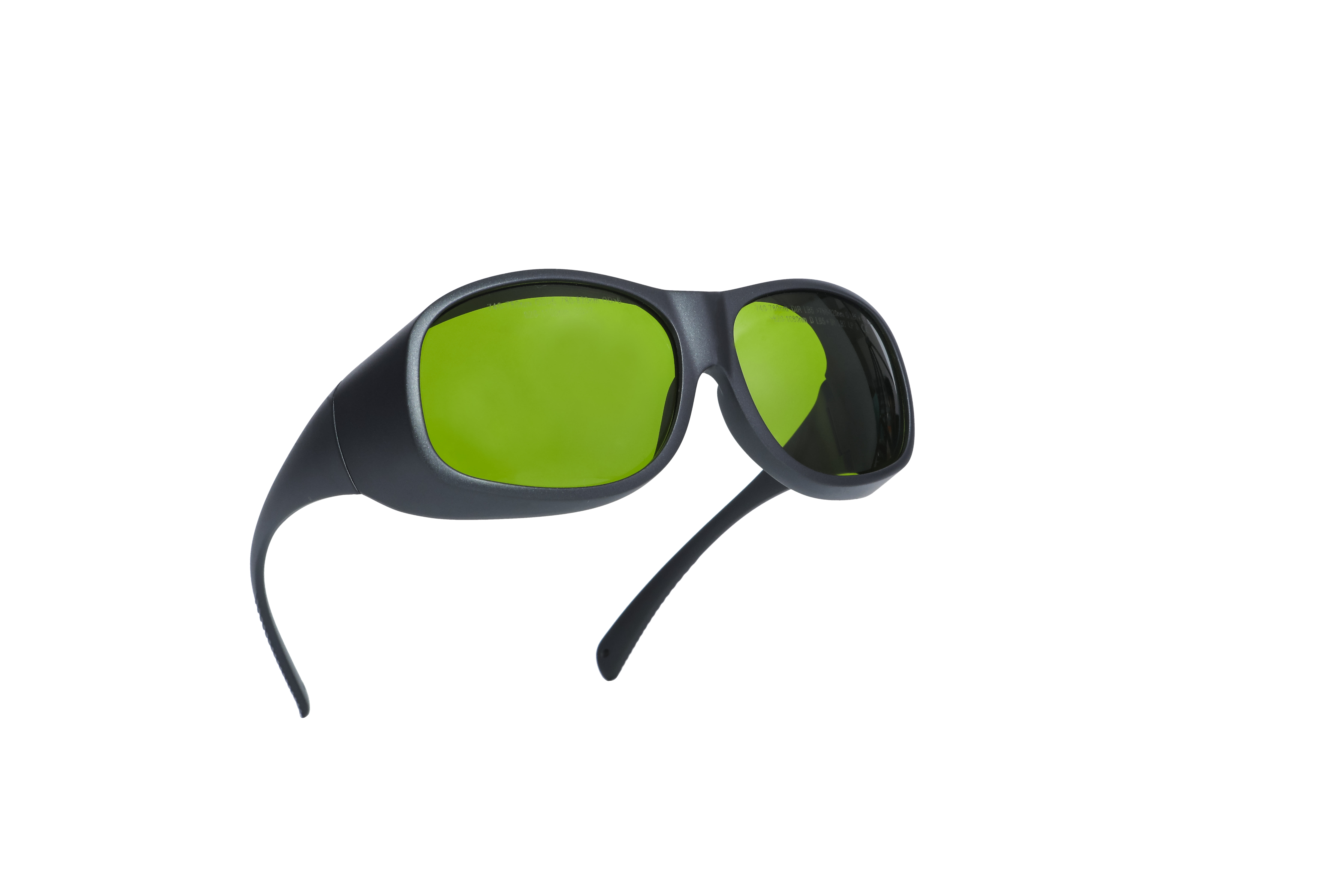
As laser technology advances in 2025, safeguarding your vision has never been more critical—whether you're a seasoned professional or a curious hobbyist. Yet, with countless options flooding the market, finding reliable eyewear can feel overwhelming. That's where LASERPAIR comes in, setting a new standard for protection and clarity. In this guide, we've handpicked the top-rated laser safety glasses that combine cutting-edge design with uncompromising safety, so you can focus on what matters most: your work.
Why Laser Safety Glasses Are Non-Negotiable
When you work with lasers, the line between a routine task and a permanent eye injury is thinner than you think—often just a stray reflection. Even a brief exposure to a direct or reflected beam can cause irreversible damage to the retina, and the scary part is that you won’t feel it happening. There’s no pain, no immediate warning, just a sudden blind spot or blurred vision that might not even show up until hours later. By then, it’s too late. That’s why tossing on any old pair of tinted goggles isn’t enough; you need purpose-built protection that matches the exact wavelength and power of the laser you’re using.
A lot of people assume that regular glasses or borrowed safety specs from another lab will do the trick, but that’s a gamble you don’t want to take. Laser safety glasses aren’t just about coloring—they’re engineered with optical density ratings that tell you exactly how much light they block at specific wavelengths. If you grab the wrong pair, you might as well be wearing nothing. And it’s not just about the beam itself: scattered light from a target surface can be just as hazardous, and it can come at you from any angle. Quality wraparound frames and side shields become just as important as the lenses themselves when you’re dealing with reflections.
I’ve seen experienced technicians get complacent because they’ve done a procedure a thousand times, only to catch a stray reflection from a misaligned mirror. The peace of mind that comes with a certified pair of laser glasses isn’t just about following protocols—it’s about knowing you’ve got a reliable barrier between your eyes and something that can change your life in a split second. When you factor in how quickly accidents happen and how unforgiving the damage is, the choice becomes obvious: you simply don’t turn on the laser until everyone in the room has the right glasses on their face.
Key Features That Separate the Best from the Rest
What truly sets top-tier options apart isn’t just a flashy interface or a long feature list—it’s how effortlessly they weave into your daily workflow. The best tools anticipate your next move, offering shortcuts and automations that feel almost invisible. They don’t demand hours of tutorials; instead, they reward curiosity with intuitive design that gradually reveals deeper capabilities as your confidence grows.
Another hallmark is the sheer adaptability on display. Exceptional solutions don’t box you into a single way of working. They flex around your preferences, whether you’re a keyboard-only powerhouse or a drag-and-drop enthusiast. This flexibility extends to how they play with other tools, creating a seamless ecosystem where data flows without friction, and you never find yourself manually copying information between apps.
Finally, the standouts focus obsessively on the details that matter once the initial excitement fades. We’re talking about lightning-fast performance even with large datasets, support teams that actually understand the product, and a development pace that keeps things fresh without breaking what already works. These qualities don’t scream for attention—they build quiet loyalty that turns first-time users into long-term advocates.
Top Picks for Every Wavelength and Budget
Sifting through the countless light therapy devices out there can feel overwhelming, but the right wavelength matters just as much as the price tag. Whether you're targeting skin rejuvenation, easing muscle soreness, or managing breakouts, each color of light penetrates the body differently. Red light around 630nm is great for surface-level concerns like fine lines, while deeper near-infrared wavelengths above 800nm reach joints and muscles. Then there's blue light for acne, green for hyperpigmentation, and amber for calming redness. The best devices let you tailor your session with multiple wavelengths, so you don't have to limit yourself to one benefit.
If you're watching your wallet, you don't have to sacrifice quality. Compact LED masks and handheld wands now pack therapeutic power into portable, affordable designs. Look for models with medical-grade LEDs and a high density of bulbs per square inch—these details make a bigger difference than flashy marketing claims. Devices from smaller brands often rival pricey salon versions, offering the same red and near-infrared combos without the markup. Some even include pulsed modes and timers, features that used to be exclusive to high-end panels.
For those ready to invest in a full-body solution, large panel systems deliver unmatched intensity and coverage. These aren't just for pros; home setups now rival clinical equipment, with adjustable stands and modular designs that fit into living spaces. A panel with separate red and near-infrared switches gives you control over your treatment depth, and higher irradiance means shorter sessions. Even within the premium range, prices vary widely—so compare the actual light output and warranty, not just the name on the box.
How to Match Protection Levels to Your Laser
The first step in matching protection levels is understanding your laser’s wavelength and power output. Different wavelengths interact with materials and eye tissue in unique ways, so a one-size-fits-all approach simply doesn’t work here. Check the manufacturer’s label for the exact nanometer range and maximum output in watts or milliwatts. Once you have these numbers, refer to the ANSI Z136 or IEC 60825 standards to determine the nominal hazard zone and the required optical density (OD) for your eyewear or barriers. A common mistake is assuming that a higher price tag means better protection—what you really need is the precise OD rating that corresponds to your laser’s parameters.
After nailing down the optical density, consider how you’ll be using the laser. For instance, alignment tasks that demand clear visibility might require filters with a narrow visible light transmission (VLT) band around the laser wavelength, whereas full-time cutting operations might justify a darker lens for maximum filtration even if it reduces overall brightness. Pay attention to beam diameter and divergence as well: a tightly focused beam over a long distance can still be hazardous beyond the immediate work area, so side shields or full enclosures might be necessary. It’s not just about blocking the main beam but also managing stray reflections and scattered light, especially with high-power infrared or ultraviolet sources that you can’t see.
Finally, validate your choices with real-world testing. A quick check with a power meter and appropriately calibrated attenuators can confirm that your chosen eyewear or windows actually drop the beam intensity below the maximum permissible exposure limit. Keep in mind that protective gear degrades over time—scratches, chemical exposure, or even UV bleaching can compromise its effectiveness, so schedule regular inspections and set replacement intervals based on use frequency rather than waiting for visible damage. Documenting your selection process might feel tedious, but it’s the only way to ensure everyone in the lab understands why a specific level of protection was chosen and when it might need to be upgraded as equipment changes over time.
Comfort and Clarity: Beyond Basic Protection
True protection shouldn’t come at the cost of daily comfort. We’ve moved away from one-size-fits-all designs that leave you adjusting frames or squinting through distorted lenses. Instead, every curve and material choice is refined to fit naturally—so you barely notice you’re wearing it, even after hours of use.
Clarity is just as vital as durability. Our advanced optical engineering eliminates the subtle haze and reflections common in standard protective eyewear. The result is a crisp, true-to-life view that reduces eye strain, whether you’re focused on fine details or taking in the big picture.
Comfort and clarity work together here, not as afterthoughts but as core principles. By prioritizing how the experience feels—physically and visually—we deliver a product that’s effortless to forget you’re wearing, yet impossible to overlook when it matters.
What the Testing Labs Won’t Tell You
Testing labs follow strict protocols, but their reports often omit the quirks that emerge in everyday use. A material might ace all the standardized tests yet scratch easily from common household items, or a device’s battery life might degrade far sooner than the controlled lab cycles imply. These gaps aren’t mentioned because they fall outside the narrow test parameters, leaving you to discover them only after purchase.
Another well-kept secret is how environmental factors skew results. Labs test under ideal conditions—steady temperatures, pristine samples, and flawless setups—but your world is messy. Humidity, dust, or even the way you naturally hold a product can shift performance dramatically. The numbers on the certificate become meaningless when real-world chaos enters the picture, yet you’ll rarely see a disclaimer about that.
Finally, there’s the unspoken truth about cherry-picked data. When a lab tests ten units but publicizes only the star performer, the average consumer gets a skewed sense of reliability. Worse, some reports quietly omit failure modes that don’t make for a tidy summary. It’s not fraud—it’s just that no one volunteers how the worst-case sample fared, and that omission can be the most revealing detail of all.
FAQ
Even low-power lasers can cause permanent eye damage. The beam's concentrated energy can burn the retina before you have time to blink. Proper glasses block specific wavelengths, reducing risk to a safe level.
Optical density (OD) at the laser's wavelength is critical. You need enough attenuation to lower the beam power below the maximum permissible exposure. Always check the glasses' specs against your laser's wavelength and power.
No, that's risky. Sunglasses lack the precise wavelength filtering needed. They might actually dilate your pupils, letting more harmful light in. Only certified laser safety glasses provide reliable protection.
Look for markings like EN 207 or ANSI Z136 certification on the frame or lens. These indicate the glasses have been tested for resistance and protection levels. Avoid unmarked products.
Yes, some offer broad-spectrum protection. However, they may reduce visible light transmission more than single-wavelength glasses. The trade-off is flexibility versus clarity. Check the manufacturer’s chart to ensure coverage of your specific wavelengths.
Lightweight frames, adjustable temples, and soft nose pads make a big difference. Anti-fog coatings and wrap-around designs also help keep your vision clear and reduce eye strain over time.
Conclusion
When it comes to working with lasers, the right eye protection isn't just a nice accessory—it's an absolute necessity. Even a split-second exposure to a stray beam can cause irreversible damage. The best laser safety glasses of 2025 go far beyond simply blocking light; they incorporate advanced materials and design elements that set them apart. From the precision of optical density ratings tailored to specific wavelengths to the durability of modern lens coatings, the top-rated picks blend safety with everyday usability. You'll find options that cater to hobbyists and industrial users alike, covering common wavelengths like 1064nm or blue light hazards without compromising on visual clarity. Surprisingly, what lab tests often overlook is how these glasses handle real-world conditions—scratches, fogging, and long-term wear—features that truly define the best from the rest.
Beyond the technical specs, comfort and clarity play a massive role in whether you'll actually wear them consistently. The 2025 standouts are lightweight and ergonomically sculpted, often with adjustable nose pads and wrap-around designs that minimize peripheral light leaks while preventing pressure points during extended use. Matching the protection level to your laser’s parameters is critical: too low and you risk injury, too high and you might be staring through an unnecessarily dark lens that strains your eyes. The smartest picks now come with clear labeling and online guides that demystify the selection process, ensuring you get exactly the attenuation you need without overspending. In an industry where marketing can be misleading, independent stress tests reveal that some budget-friendly models rival premium brands in beam-blocking capability, proving that you don't have to break the bank to stay safe.
Contact Us
Contact Person: Jenny
Email: [email protected]
Tel/WhatsApp: +86 13537713281
Website: https://www.laserpair-safety.com/