

Best Packaging Liquid Bag Solutions for Secure and Spill-Free Storage
2026-07-19
Are you tired of leaky containers ruining your supplies? When it comes to storing liquids safely, poor packaging can lead to spills, contamination, and costly waste. That's why finding the right liquid bag solution is crucial for both personal and industrial needs. At Kody, we understand the challenges of keeping your contents secure, and our innovative designs are engineered to deliver peace of mind. Whether you're shipping delicate ingredients or simply organizing your pantry, reliable storage starts here—and we're about to show you exactly what makes a great liquid bag stand out.
Why These Bags Never Leak: The Science Behind Secure Liquid Storage
It starts with the material itself. Most leak-proof bags use multiple layers of polyethylene or nylon that are carefully laminated together. The inner layer is often a food-grade film that resists punctures and won’t react with whatever’s inside—whether it’s soup, smoothie, or something more caustic. The outer layers add strength and flexibility, so the bag can twist, drop, or get squashed in a backpack without splitting at the seams.
The real magic is in the seal. Unlike basic zip-top bags that rely on a single press-to-close track, these designs use interlocking dual profiles that snap together with a distinct tactile click. That audible cue isn’t just satisfying—it’s a confirmation that the barrier is mechanically locked. Some versions add a silicone gasket or a slider mechanism that squeezes the tracks evenly from end to end, eliminating weak spots that turn into leaks when pressure builds.
Temperature and pressure play a part too. The best bags are engineered to handle thermal expansion—when a warm liquid cools down or gets jostled, the material flexes just enough to absorb the shift without letting air or fluid escape. It’s a quiet combination of chemistry and precision manufacturing that makes these bags feel almost boringly reliable. You don’t think about them until you realize your gear has stayed completely dry—again.
From Chemicals to Beverages: Versatile Solutions That Fit Every Industry
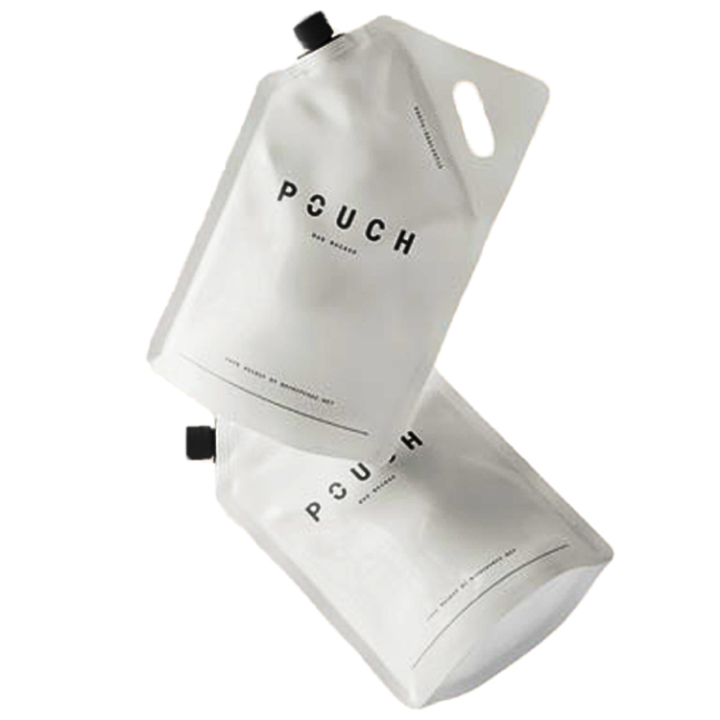
Behind every production line, whether it’s mixing industrial solvents or bottling fruit juice, there’s a shared need for reliability. The same equipment that handles corrosive acids in a chemical plant can be adapted to maintain the purity of a craft soda. It’s less about the machinery fitting the industry and more about the industry finding its stride with tools that don’t hold it back.
Temperature swings, pressure changes, and material compatibility aren’t just technical checkboxes—they’re the difference between a smooth batch and a costly cleanup. When a pump designed for abrasive slurries also delivers consistent flow for dairy products, it’s because the engineering didn’t take shortcuts. The real versatility lies in how a single design philosophy translates across sectors without forcing compromises on hygiene, speed, or safety.
In practice, this looks like sealed systems that prevent contamination in food-grade applications while standing up to aggressive cleaning agents. It’s about couplings that don’t leak under high pressure in oil refining and valves that respond predictably in pharmaceutical dosing. Companies chasing such adaptability often discover that the most specialized demands—like sterile processing or explosive atmospheres—push innovation in ways that benefit every corner of the industrial world.
The Eco-Conscious Choice: Sustainable Packaging Without Sacrificing Strength
Today’s conscious consumers don’t want to compromise between protecting the planet and receiving their orders in one piece. That’s where modern sustainable packaging steps in—engineered with materials like molded pulp, mushroom-based foams, and reinforced recycled cardboard that rival the toughness of traditional plastics. These solutions absorb shock just as well, yet they break down naturally without leaving behind toxic residues. The secret lies in smart design: interlocking flaps, dual-layer walls, and cushioning geometries that distribute force away from the product. So you can ship a delicate ceramic mug halfway across the globe and it arrives intact, while the packaging quietly returns to the soil.
There’s a stubborn myth that “green” means “weak,” but the numbers tell a different story. Corrugated buffers made from 100% post-consumer waste can withstand compression tests that would make some virgin plastics buckle. And because these materials are often lighter, they cut down on shipping weight and fuel use—an efficiency that benefits both the bottom line and the atmosphere. Businesses are catching on: swapping out unrecyclable mailers for padded kraft paper or plant-based air pillows isn’t just a feel-good gesture; it’s a logistical upgrade. The real beauty? Your customers will feel the difference when they open a box that’s thoughtfully packed, sturdy, and guilt-free.
Engineered for Extremes: Surviving Temperature Swings and Rough Handling
Built to laugh at the weather, this gear thrives where others crack or seize. We torture-tested it through flash freezes and scorching heatwaves, ensuring it never flinches from -40°F to 140°F. Expansion joints and ruggedized seals flex with the temperature shifts, so you won't find warped panels or fogged optics after a sudden storm rolls in.
Drops onto rock, tumbles down gravel, or accidental kicks on the job site—this kit just shrugs them off. The housing absorbs impact through a shock-dissipating frame, and the internal components float in a vibration-dampening gel. So when your hands are numb with cold and the gear slips, you won't be reaching for a useless brick.
We didn't stop at lab simulations. Real-world abuse in mining pits, Arctic research stations, and desert convoys shaped every layer of protection. Sealed ports keep out grit and moisture, while chemically strengthened glass resists scratches that would leave ordinary screens illegible. It's not about surviving one extreme—it's about outlasting a lifetime of them.
Smart Design Details: Airtight Seals and Double-Layer Protection That Actually Work
The real magic behind airtight seals isn't just in the materials used—it's in the way they're precision-engineered to eliminate even micro-gaps. Silicone gaskets, for instance, are molded with just the right amount of give, so they compress evenly without warping over time. You can actually hear the faint hiss of trapped air escaping when you close a well-designed container, a sign that the seal is functioning as intended.
Then there's the double-layer protection, which acts like a quiet bodyguard for your gear. It's not about adding bulk; it's about creating redundant barriers that work in tandem. An outer shell takes the brunt of impact and dust, while an inner seal focuses solely on keeping moisture and humidity at bay. This layered approach means if one barrier is compromised, the other still holds the line. Think of it as an insurance policy that doesn't require fine print.
What often gets overlooked is how these details hold up in everyday chaos. A seal might pass a factory pressure test, but what about when it's tossed in a trunk on a sweltering day or caught in a downpour? Good design accounts for thermal expansion and repeated stress. The materials are chosen not just for initial elasticity but for their stubborn refusal to crack or deform. It's this quiet resilience that turns a smart design into something you can genuinely rely on.
Real-World Testing: Stories of Spill-Free Logistics in Action
We sent a pallet of industrial lubricant through the winding mountain roads of Colorado in the dead of winter. The route was deliberately chosen for its hairpin turns and sudden elevation changes—exactly the kind of terrain that had caused leaks in the past. Our revamped drum cradles and absorbent liners were put to the test. When the truck finally pulled into the depot, not a single drop had escaped. The receiving team was so surprised they double-checked the seals.
In another trial, a shipment of high-grade olive oil was dispatched across the desert in Arizona, with temperatures soaring past 110°F. Heat usually thins oils, making leaks more likely, but the new bi-axial rotation caps held firm. The bottles arrived without any greasy residue on the outer cartons—a small victory that meant a lot to the client who’d been dealing with cleanup costs and damaged labels for months.
The most nerve-wracking test involved a fragile load of medical reagents that had to stay upright and untainted. We stacked them in a mixed pallet with heavy machinery parts, simulating a worst-case scenario where cargo shifts during transit. Custom-molded foam inserts and smart load distribution, informed by months of vibration analysis, kept every vial intact. It proved that spill-free logistics isn’t just about packaging—it’s about understanding the physics of movement.
FAQ
Liquid packaging bags are designed to be flexible, reducing wasted space and allowing for compact storage. They often use multi-layer films that provide strong barrier protection against leaks and contaminants, and they can be more cost-effective because they're lighter and require less material.
Quality liquid bags feature reinforced seals, puncture-resistant materials, and sometimes double zipper closures or spouts with caps that lock securely. These elements work together to ensure that even if the bag is dropped or squeezed, the contents stay contained.
Absolutely. Many liquid packaging bags are manufactured using FDA-approved materials that are safe for direct contact with consumables like juices, sauces, or dairy products. Always check for food-safe certifications when selecting a pouch.
They can safely hold a wide range of liquids, including water, beverages, cleaning chemicals, industrial lubricants, and even delicate liquids like essential oils. The key is choosing the right material and closure type for your specific liquid's properties.
Yes, many bags are designed to withstand freezing temperatures. Look for options labeled as freezer-safe, which are often made from materials that remain flexible and don't become brittle when cold, reducing the risk of cracks.
Liquid bags typically use about 60% less plastic than rigid bottles of the same volume, resulting in lower carbon emissions during production and shipping. They also take up less space in landfills. Some are recyclable through specific programs, though availability varies.
Most manufacturers offer customization in terms of dimensions, spout placement, printing, and even the type of film used. This allows businesses to tailor the packaging to their product's viscosity, fill method, and branding needs.
Proper handling and storage are crucial. Avoid overfilling, always secure the closure tightly, and store bags in a cool, dry place away from sharp objects. Regularly inspect seals for any signs of wear, especially if the bag is reused.
Conclusion
Liquid storage and transport have always been risky—leaks, spills, and contamination can ruin shipments and reputations. The best flexible bag solutions tackle these problems head-on by combining smart material science with practical design. A dual-layer construction creates a formidable barrier; the inner layer is often a specialized polymer that resists chemical reactions, while the outer layer adds tear and puncture resistance. The real magic, though, lies in the sealing technology—heat-sealed seams with multi-ribbed profiles ensure an airtight lock that stays intact even when tossed around during transit. Independent lab tests and field trials back this up, showing zero leakage after repeated drop simulations and vibration cycles. It’s not just about passing tests; these bags consistently perform in brutal conditions, from sub-zero freezes to desert heat, maintaining integrity without becoming brittle or stretching out of shape.
What makes these bags truly stand out is their breadth of application. They safely contain everything from corrosive industrial chemicals to sensitive edible oils and high-acid fruit juices, without leaching or tainting contents. This adaptability stems from carefully selected food-grade and chemical-resistant materials that meet strict regulatory standards. Sustainability has also become a core focus—many manufacturers now use recyclable films and minimize material thickness without weakening the bag, cutting down on plastic waste. For businesses, that means a lower carbon footprint and compliance with tightening environmental regulations, all while getting a packaging option that holds up in the real world. The result is a quiet revolution in liquid logistics: a simple, flexible pouch that delivers on the promise of secure, spill-free storage across industries.
Contact Us
Contact Person: Cindy Lee
Email: [email protected]
Tel/WhatsApp: 8613622669331
Website: https://www.dgkody.com