

Best Performance Cylinder Head Upgrades for Maximum Engine Power
2026-07-18
Unlocking every ounce of power from your engine starts right at the top—with the cylinder heads. Whether you're chasing quicker lap times or dominating the drag strip, the right upgrades can transform airflow and combustion efficiency. But not all options are created equal, and subtle choices in port design, valve size, and material can mean the difference between modest gains and earth-shaking output. At DDR, we've tested countless configurations to uncover what truly works. In this guide, you'll discover the upgrades that serious builders trust, and why skipping the fluff could be your fastest path to peak performance.
Porting and Polishing: Unlocking Hidden Flow Potential
Engine components often leave the factory with subtle imperfections that restrict airflow and limit performance. Even high-performance parts can benefit from meticulous reshaping, where casting marks, uneven surfaces, and abrupt transitions are smoothed out. This process goes beyond simple cleanup—it’s about guiding the air-fuel mixture with precision, reducing turbulence, and ensuring every molecule moves with purpose through the intake and exhaust tracts.
The transformation becomes evident when you match ports to gaskets and gently reshape the bowls and short-side radii. Small changes here can yield significant gains in velocity and volumetric efficiency, especially when paired with a valve job that enhances seat concentricity. It’s not just about making holes bigger; it’s about sculpting a path that maintains speed without sacrificing flow capacity, allowing the engine to breathe deeper across the rev range.
Once the rough cutting is done, the real magic happens with progressive smoothing and final polishing. For intake runners, a slightly textured surface can keep fuel atomized, while exhaust ports benefit from a mirror-like finish to fight carbon buildup and heat absorption. This nuanced approach turns a standard cylinder head into a precisely tuned component, unlocking power that was always there, just waiting to be revealed through skilled craftsmanship.
Oversized Valves: Maximizing Air and Fuel Throughput
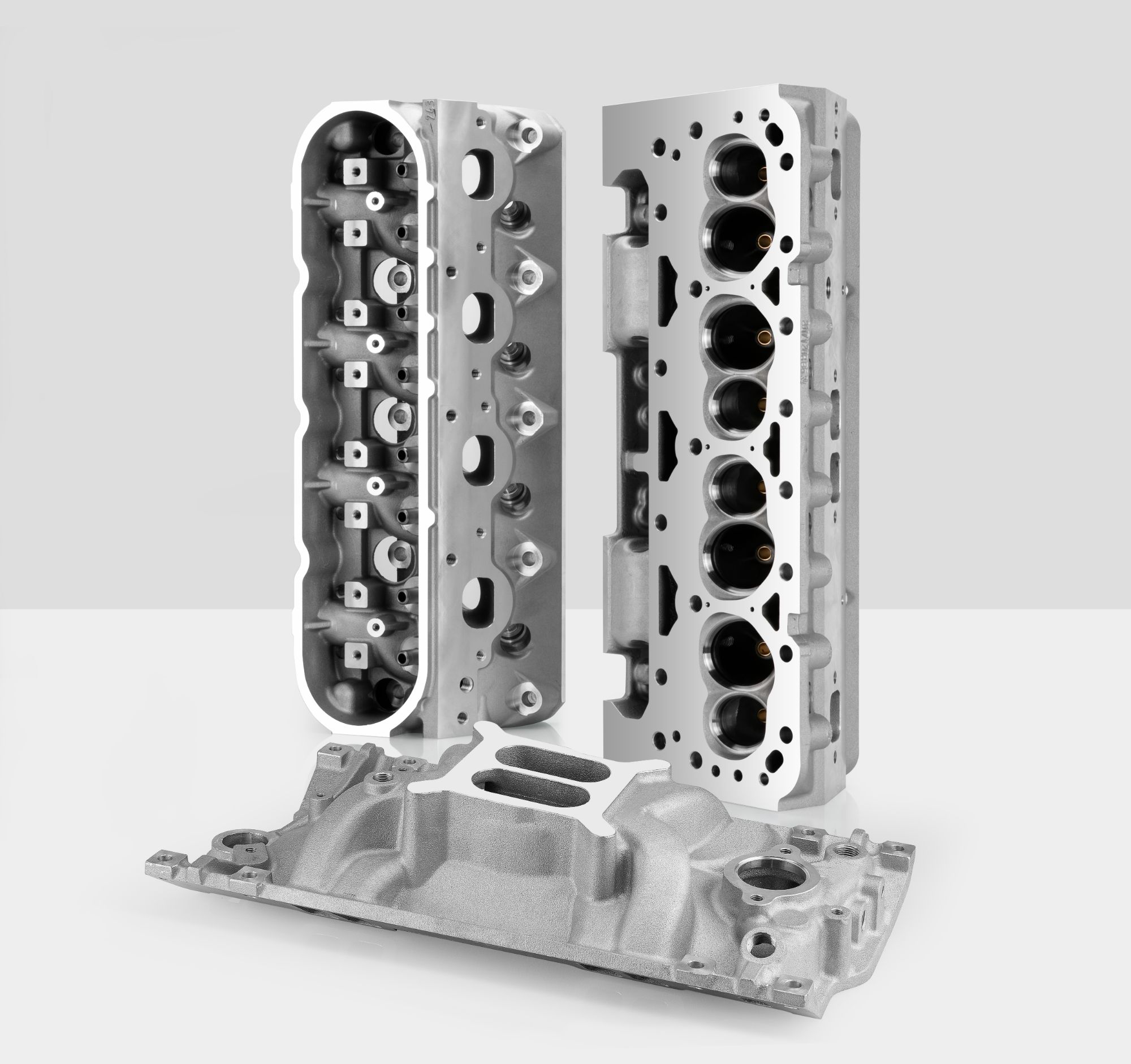
When you swap in oversized valves, you're essentially giving the engine a bigger set of lungs. The larger diameter allows the intake charge to rush in with less restriction, and the exhaust can exit just as freely. This isn't just about peak horsepower on a dyno sheet—it’s how you sustain power across the upper rev range where smaller valves would choke the flow. The immediate payoff is a throttle response that feels sharper and more eager, especially once the camshaft profile starts stretching the valve events.
Of course, simply dropping in larger valves won’t automatically unlock more power. You have to match them with the right seat angles, port work, and cylinder head chamber design. The real magic happens when you unshroud the valve area in the combustion chamber and smooth out the bowl blend behind the seat. Without those complementary mods, the oversized valve acts like a bigger door installed on a cramped hallway—it can’t fully open because the rest of the passage still bottlenecks the flow. Done correctly, though, the improvement in volumetric efficiency can be dramatic, especially in boosted or high compression builds where every extra molecule of air and fuel counts.
There’s a practical limit, though. Go too big and you can hurt port velocity, which kills low-end torque and makes the engine feel sluggish off the line. It’s a balancing act between peak flow and drivability, and the sweet spot depends on your power goals, displacement, and how high you plan to rev. For a street‑driven car that sees occasional track time, a mild oversizing with careful port matching usually yields the best real‑world results. The engine breathes deeper, the throttle crackles with urgency, and the pull to redline feels relentless—without sacrificing the manners you need in traffic.
High-Performance Camshafts: Perfecting Valve Timing and Lift
The camshaft is the brain of any serious engine build, dictating exactly when and how much the valves open. In high-performance applications, subtle changes to lobe profile can transform power delivery. By altering valve timing events—advancing or retarding the opening and closing points—you can shift the powerband to suit specific racing conditions or driving styles. More aggressive lift profiles allow the engine to inhale deeper and exhale more completely, but they demand careful piston-to-valve clearance checks and compatible spring pressures to avoid catastrophic interference at high rpm.
Material choice and manufacturing precision separate a weekend warrior part from a podium-worthy piece. Billet steel cores offer superior fatigue resistance over cast blanks, while DLC-coated lobes reduce friction and wear in endurance scenarios. Instead of chasing the biggest duration numbers, savvy builders look at area under the lift curve—a broader, more stable profile can outperform a peaky design that falls off rapidly. The true art is balancing lift intensity with valvetrain stability, ensuring the cam’s breath doesn’t choke the engine’s real potential.
Upgraded Valve Springs and Retainers: Stability at High RPM
When pushing an engine beyond factory redlines, valve float becomes the silent killer of power and reliability. Stock springs often surrender to the harmonics and inertia at elevated rpm, allowing valves to bounce off their seats or float open when they should be firmly closed. Swapping in stiffer, dual-rate valve springs—paired with matching lightweight retainers—creates a valvetrain that tracks the cam profile with precision, even as piston speeds climb. The result isn't just a higher rev ceiling; it's a cleaner combustion cycle and a noticeable absence of that high-rpm wheeze where power tapers off.
Material choice separates a long-lasting upgrade from a short-lived experiment. Chrome-silicon and PACALOY-based springs resist heat-induced sag better than conventional steel, maintaining seat pressure after hundreds of heat cycles. Meanwhile, titanium retainers drop valvetrain mass, reducing the spring's job to control rather than just restrain. This combination shines in engines with aggressive cam profiles—less reciprocating weight means the spring can focus on closing the valve with authority rather than fighting its own components. A well-matched set keeps the valvetrain quiet and composed, even when the tach needle sweeps past numbers that would make a stock setup tap out.
Installation details often dictate whether the upgrade truly delivers. Setting correct installed height and verifying coil bind clearance is not optional—a missed measurement can lead to broken parts dancing inside the combustion chamber. Many enthusiasts overlook the importance of matching retainer taper to the spring's top coil ID, which prevents micro-wobble that accelerates wear. When done right, the entire assembly acts like a single cohesive unit, turning high-rpm instability into an afterthought. The engine doesn't just survive at the top end; it feels eager, pulling smoothly with a mechanical snarl that reassures you the valvetrain isn't sweating the abuse.
Combustion Chamber Reshaping: Boosting Compression and Efficiency
Reshaping a combustion chamber isn’t just about changing its geometry—it’s about rethinking how the air-fuel mixture burns. By carefully contouring the chamber, engineers can increase the compression ratio, which directly raises thermal efficiency. A higher compression squeezes more energy from each combustion event, but the shape must prevent premature ignition or knock. Modern designs use computational fluid dynamics to refine every curve, balancing a compact chamber with the right turbulence. The result is a more complete burn, delivering more power from less fuel.
The process often involves subtle alterations, like smoothing sharp edges and optimizing the squish area—the region where the piston nearly touches the cylinder head. This squish effect creates a powerful turbulence that accelerates flame propagation, ensuring the mixture ignites evenly and rapidly. When done right, combustion chamber reshaping can unlock low-end torque while keeping emissions in check, a delicate dance between performance and cleanliness that pushes the limits of engine design.
For tuners and engine builders, reshaping is a hands-on art. Even minor material removal from valve pockets or around spark plugs can shift the burn pattern. It’s a game of micrometers, where a fraction of a millimeter can mean the difference between efficient combustion and wasted potential. Paired with modern injection systems, a reshaped chamber makes engines feel more responsive and alive, turning each stroke into a statement of precision.
Multi-Angle Valve Jobs: Enhancing Low-Lift Flow Precision
In a typical cylinder head, the valve and seat are the gateway for air and fuel to enter the combustion chamber. At small valve openings, flow is heavily dependent on the shape and finish of the seat area. A conventional single-angle valve job leaves a narrow, abrupt edge that can choke flow or cause separation. A multi-angle cut, often with three or more distinct angles blended into the throat, creates a smoother transition. This gradual contour reduces turbulence and keeps the air attached to the valve surface, directly improving how the engine breathes in the critical first millimeters of lift.
Precision in these cuts matters more than many realize. The exact width, angle, and blending of each cut can be tailored to the camshaft profile and intended rpm range. For street or mild racing applications where low- and mid-lift flow dominates everyday driving, carefully profiled seat angles can yield gains that a flow bench shows but a peak-power dyno run might miss. By controlling where the air shears off the seat and how it fills the bowl region, multi-angle work sharpens throttle response and makes part-throttle cruising smoother, all without sacrificing top-end numbers.
Done right, this isn't just about grinding more angles into a seat. It requires a solid understanding of the port's overall shape and the valve's back-cut profile. When the angles are matched and the seat concentricity is held to tight tolerances, the engine pulls harder from idle to redline. The result is a valvetrain that uses less duration to achieve the same cylinder fill, which can allow milder camshafts and better driveability. That's the real-world benefit of sweating the details on a multi-angle valve job—responsive power exactly where you feel it.
FAQ
It usually means modifying the cylinder heads to improve airflow and combustion efficiency. This can include porting and polishing the intake and exhaust ports, installing larger valves, upgrading valve springs, and sometimes reshaping the combustion chamber. The goal is to let the engine breathe better, which translates to more horsepower and torque.
It depends on your goals. If you're after noticeable power gains without forced induction, a good set of aftermarket or reworked heads can wake up the engine significantly. However, for daily driving, the cost might outweigh the benefits unless you're building a full performance package. Pairing them with a cam and intake often maximizes the value.
Gains vary wildly based on the engine and combination of parts. On a typical small-block V8, a quality set of aftermarket heads and a matched cam can yield 50 to 100 extra horsepower. For turbocharged engines, upgraded heads help spool faster and support higher boost, but the exact numbers depend on the whole setup.
Porting involves reshaping and enlarging the intake and exhaust ports to improve airflow volume and velocity. Polishing smoothens the port surfaces to reduce air resistance. While polishing is often part of the process, too smooth a finish can actually hurt fuel atomization on the intake side, so a slightly textured surface is sometimes preferred. Exhaust ports, however, benefit from a mirror-like polish.
If you have solid mechanical skills and the right tools, it's doable at home. But it's not a beginner project. You'll need to remove the intake manifold, exhaust headers, and carefully handle timing components. Also, getting the head gasket sealing right is crucial. Many enthusiasts tackle it, but a professional tune is recommended afterward to get the most out of the upgrade.
Absolutely. For turbo or supercharged engines, you typically want heads with larger, stronger valves, better springs, and improved cooling passages. The focus is on durability and airflow under high pressure. Some companies even offer specific "boosted" cylinder heads with reinforced decks and advanced chamber designs to resist detonation.
Pay attention to the material (aluminum vs. cast iron), chamber size and shape (affects compression ratio), valve size, port volume, and the quality of components like springs and retainers. Also, consider the brand's reputation and whether they provide flow bench data. Matching the heads to your camshaft and intended RPM range is critical for a balanced engine.
Conclusion
To extract the most power from an engine, the cylinder head is where the magic happens—or where it falls flat. A proper port and polish job doesn't just smooth surfaces; it reshapes the entire intake and exhaust tracts to accelerate air velocity and reduce turbulence. Pairing this with oversized valves allows a greater mass of air-fuel mixture to enter the combustion chamber and spent gases to exit faster, directly feeding horsepower gains. But airflow alone isn't enough if the breathing rhythm is off. High-performance camshafts with aggressive profiles fine-tune valve events to hold the valves open longer and wider, while upgraded valve springs and lightweight retainers ensure the valvetrain keeps up at high rpm without floating or snapping shut late.
The often-overlooked combustion chamber reshaping squeezes every drop of energy from the mix by optimizing the burn pattern and raising compression, which multiplies torque across the rev range. Even the valve seat angles matter: a multi-angle valve job enhances low-lift flow, making the engine more responsive right off idle and building power earlier. Together, these upgrades transform the cylinder head from a mere lid into a precision breathing system that feeds the engine exactly what it needs for real-world, seat-of-the-pants acceleration and track-ready output. The result isn't a peak number on a dyno sheet—it's an engine that pulls harder sooner and never gives up.
Contact Us
Contact Person: Shelly
Email: [email protected]
Tel/WhatsApp: 8613967667688
Website: https://www.yongyu.com/