

Best Protein Bar Line for Everyday Fuel and Muscle Recovery
2026-11-16
Most protein bars either taste like sweetened cardboard or leave you hungry an hour later. If you are searching for a dependable option that actually supports everyday fuel and muscle recovery, the lineup from GUSU stands out for reasons you can feel between meals and after training. Instead of leaning on empty filler, these bars focus on balanced protein and real satiety, which makes them easy to reach for whether you are grinding through a workday or cooling down from a heavy session. Here is a closer look at what sets this range apart.
Built for the In-Between Hours, Not Just the Gym
Most activewear is designed for one thing: a workout. But real movement rarely happens in a single, scheduled block. It's the walk to grab coffee, the stretch between meetings, the unplanned sprint for a bus, or a long afternoon spent running errands. This collection is cut for those scattered hours when your body is still moving but the environment has changed. The fabric breathes during a commute, resists odor after a lunchtime errand, and dries before you sit back down at your desk.
The fit is deliberately less aggressive than traditional gym gear. Shoulder seams follow a natural resting line rather than a lifted-gym posture. Waistbands sit flat under untucked shirts and don't dig in when you're hunched over a laptop. Pockets are sized for a phone, keys, and a slim wallet—not just a locker key. The result feels less like a costume change and more like a second layer of your ordinary day.
The color palette leans into muted earth tones and heathered grays rather than high-vis neon, so the pieces blend into casual settings without screaming athletic wear. A brushed inner face adds a touch of softness against the skin during long stretches of sitting. This is clothing built for the quiet, unglamorous hours between workouts—the moments when you're not training, but you're still very much in motion.
When Recovery Is as Simple as Unwrapping
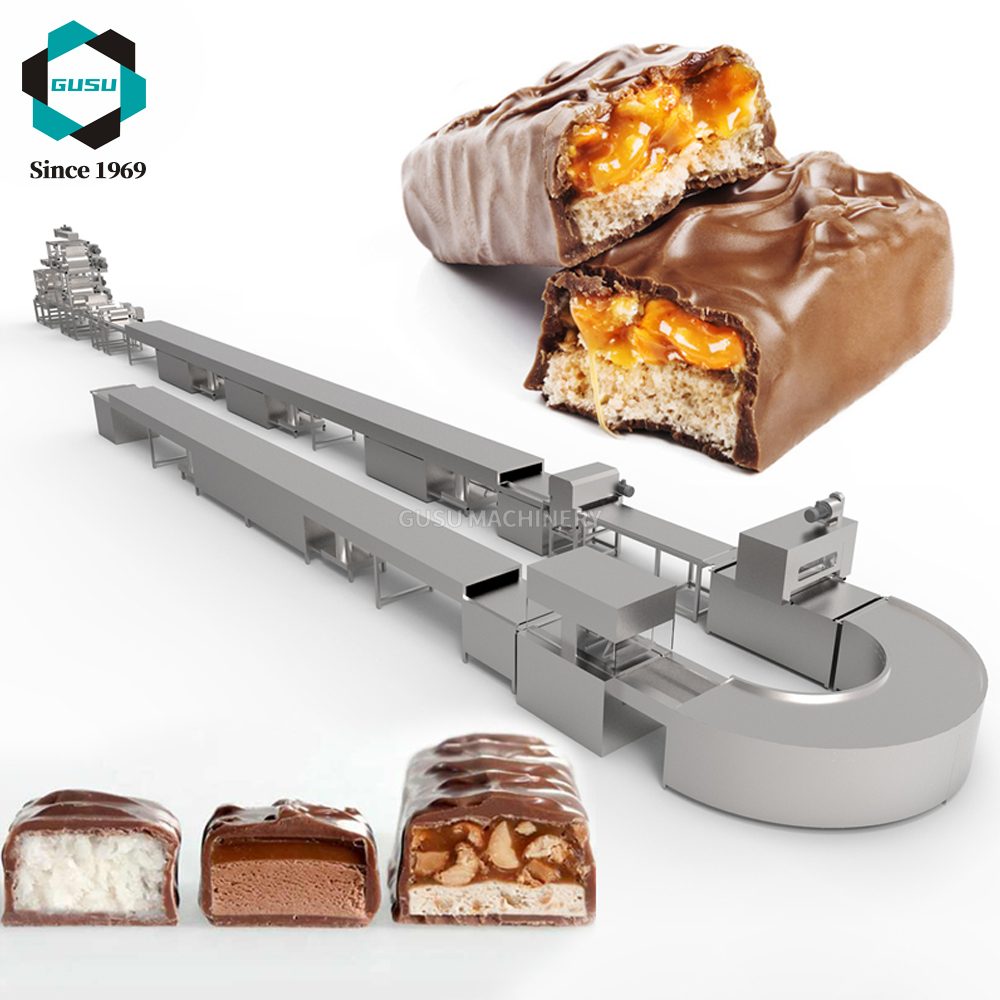
There is a particular kind of relief in tearing away the outer layer and finding everything exactly where it should be. Recovery works best when it borrows that same quiet confidence: open the tool, pick a snapshot, and watch the familiar desktop settle back into place without a single installation wizard or buried menu standing in the way.
Much of the friction in data recovery comes from forcing people to think like technicians. A well-made process asks almost nothing of you. The progress bar moves, the files return to their original folders, and the only surprise is how quickly the whole event fades from memory. It feels less like running a rescue operation and more like peeling back a corner to confirm the contents are intact.
That simplicity is deliberate. It means hiding the machinery until it is truly needed and leaving the rest of the experience almost invisible. When recovery is as simple as unwrapping, the act stops being a chore or a crisis. It becomes a small, private moment of reassurance before you get back to whatever you were doing.
Daily Fuel That Doesn't Fade by Mid-Afternoon
Most quick energy fixes spike fast and leave you staring at a screen with heavy eyelids by two o'clock. The real difference comes from steady-release sources—think oats, nuts, or a protein-dense lunch—that keep blood sugar from diving after your morning coffee wears off. Pair a slower-burning carb with a little fat and protein, and the afternoon slump becomes less of a personality trait and more of a distant memory.
Hydration matters just as much as food. A glass of water before you reach for another espresso often clears the fog faster than caffeine, and a short walk after lunch nudges circulation without demanding a second wind. Small tweaks like these keep your output level from fading, so you finish the day without borrowing energy from tomorrow.
Macros Without the Mental Math
Tracking protein, carbs, and fat used to mean pausing mid-bite to guess portion sizes or thumb through a dog-eared notebook. This flips that idea on its head: log what you eat in plain language, and the breakdown happens behind the scenes. No calculator, no sticky notes, no second-guessing whether that handful of almonds counts as a snack or a side dish.
The daily view keeps the numbers quiet until you actually want them. A simple ring or bar shows where you stand relative to your targets, so you can glance, adjust, and move on. It is less about logging perfectly and more about noticing patterns without turning every meal into a math problem.
If you are coming back after a long break, your history is already there. The gentle nudge is not about streaks or perfect days; it is just a reminder that the tool can handle the arithmetic while you handle the eating.
An Ingredient List That Reads Like a Grocery List
Some ingredient panels feel like a chemistry quiz, but this one could double as a handwritten note for a Sunday market run. Shea butter, coconut oil, aloe leaf juice, and rosemary extract sit in plain sight, the same way you might jot them down between oats and apples on a paper list. There is no need for a dictionary just to figure out what is touching your skin.
The sequence has a familiar rhythm, too. The first few names carry the real weight, while everything after reads like the last items you grab near the checkout, minimal and easy to recognize. That kind of clarity makes the back of the jar feel less like fine print and more like a recipe you could actually follow.
There is a quiet confidence in keeping the label this straightforward. When a product leans on everyday staples and skips the filler, it does not need to dress anything up in long chemical names. You already know the cast of characters, and that makes deciding what goes on your body feel a little more like common sense.
The Bar You'll Actually Find in Your Bag When You Need It
Most snack bars have a way of vanishing into the deepest corner of a bag, only to reappear weeks later as a flattened, half-melted reminder of good intentions. This one is different mainly because it holds its shape, tears open cleanly, and doesn’t leave a sticky film on your fingers. It was made to be carried around, not just photographed on a countertop.
There’s a familiar moment in a long afternoon when your energy dips and the next real meal still feels far away. You rummage through your bag, past the pens and receipts, and find something that actually solves the problem. The texture is soft without turning to paste, the flavor is present without being cloying, and it doesn’t sit in your stomach like a brick. It’s the kind of bar you forget about until you need it, and then you’re quietly glad it was there all along.
FAQ
The balance is the main thing. It mixes fast and slow proteins with enough carbs and fiber to keep energy steady, so you don't get that sugar crash an hour later. Texture-wise it also feels closer to actual food than a chalky supplement.
A 30 to 60 minute window is a safe bet, but it's not worth stressing over. If you had a meal not long before training, just eat the bar when you're hungry; your daily protein total matters more than perfect timing.
Some flavors add leucine or BCAAs, but even the base blend pulls its weight because different proteins digest at different speeds. A few options also include tart cherry or electrolytes, which I'd reach for during heavier training blocks.
I'd call them a substantial snack. Most sit around 200 to 250 calories with 15 to 20 grams of protein, so they can hold you over between meals, but they won't cover all the bases of a real lunch unless you add fruit or yogurt.
They dial back the sugar alcohols and thick coatings, so there's less of that waxy aftertaste. You get either a soft, doughy center or a crisp bite depending on the flavor. The chocolate ones are close enough to candy that it feels like a small win.
Rest days are when a lot of repair actually happens, so yes. A bar in the afternoon is an easy way to close the gap on your protein intake without much thought or prep.
Go with one that feels satisfying but not like a dessert you'd crave all day. For steadier energy, pick options with more nuts or oats and less coating; for faster fuel after training, fruit-based or chocolate-crisp flavors make more sense.
Most people do okay if they eat one 30 to 45 minutes before moving, but if your stomach is touchy, start with half. The lower-fiber flavors sit lighter, and the nut-heavy ones are better saved for after.
Conclusion
Most protein bars treat an ordinary Tuesday like it's either leg day or a cheat meal. This line reads differently. It was built for the in-between hours—the school run, a late meeting, a long drive—not just the gym. The texture stays soft without turning chalky, and the sweetness doesn't taste like a chemistry experiment. Instead of hiding behind sugar alcohols or a 40-ingredient wrapper, it keeps the label close to a grocery list: oats, nuts, seed butter, a little cocoa or dried fruit. That matters when you are reaching for it daily, not saving it as a rare post-workout reward.
Recovery here is as simple as unwrapping. There is no need to calculate macros on a napkin because the balance is already handled—enough protein to help muscles rebuild, enough fat and fiber to keep you steady through mid-afternoon. It doesn't pretend to replace a meal, but it fills the gap without the usual 3 p.m. energy dip. The real test is daily habit: the bar ends up in a bag, glove box, or desk drawer and actually gets eaten before it becomes a forgotten protein-scented fossil. That alone makes the line more useful than most.
Contact Us
Contact Person: Zhang Wei
Email: [email protected]
Tel/WhatsApp: 8618662577837
Website: https://www.chocomachinery.com