

Calcium Chloride 94% Pellets Factory Guide for Bulk Purchasing Decisions
2026-11-16
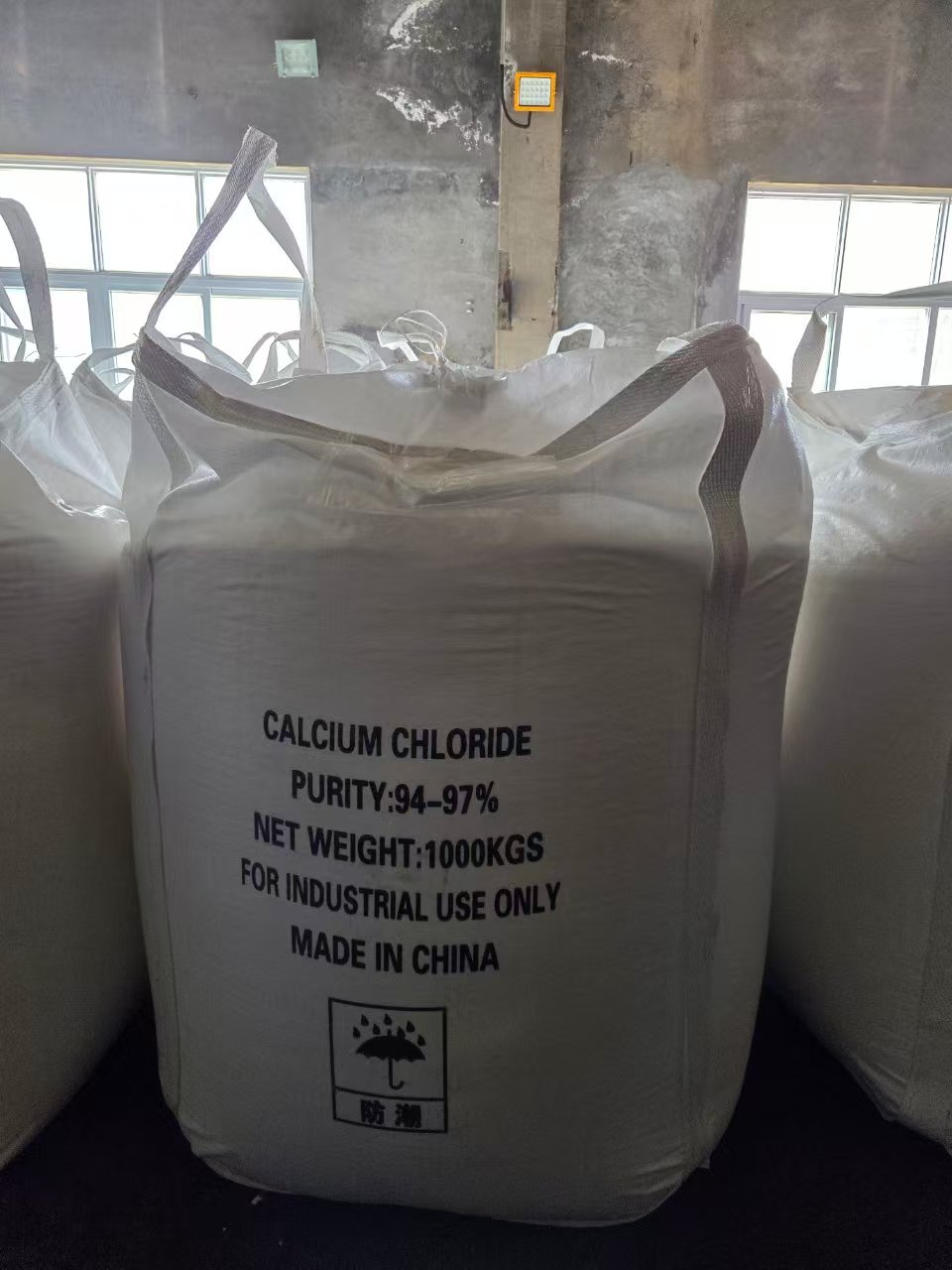
Buying calcium chloride 94% pellets in bulk looks straightforward until a shipment arrives with inconsistent sizing or lower active content than the spec sheet promised. The real decision isn't just price per ton; it's which factory can deliver the same quality load after load. This guide walks through what to check before committing to a purchase, and why procurement teams often include Shouguang Golden Chemical when they need a supplier that doesn't make them babysit every order.
What a 94% Purity Certificate Leaves Out
A 94% purity figure can sound precise, but it rarely tells you what makes up the remaining 6%. That gap may include harmless moisture or insoluble fibers, yet it can also hide residual solvents, heavy metals, or unlisted isomers that change how a material behaves. Without a breakdown of those other components, the certificate gives a number without a meaningful boundary.
The certificate also tends to leave out the conditions behind the test. Sample preparation, instrument calibration, and the specific reference standard can shift the result by a few points, so two labs may report different figures for the same batch. A single-page document often omits which impurities were screened for and which were never looked for at all.
Perhaps the largest omission is consistency. A 94% average can hide uneven distribution within a production lot, where one sample tests higher and another falls below expectations. Asking for the raw data, the test method, and the list of known absent impurities reveals far more than the headline number on the certificate.
Pellet Hardness and Fines: The Quality Signals Factories Rarely Highlight
Walk through most feed mills and you'll hear plenty of talk about protein percentages, moisture targets, and pellet-to-crumb ratios. What rarely gets mentioned at the loading dock is how hard those pellets actually are, or how much dust is hiding at the bottom of the bag. Yet these two quiet indicators often reveal more about consistency than any glossy spec sheet ever could.
Hardness isn't just about avoiding breakage in transit. A pellet that crumbles too easily suggests the starch didn't gelatinize properly, the die wasn't running at the right temperature, or the formulation got stretched in ways that saved a few dollars but cost you durability. On the opposite end, a pellet that feels like a rock can discourage intake in younger animals and force unnecessary wear on feeding equipment. The sweet spot is rarely printed on the label.
Fines are the same story. A little dust is unavoidable, but when the percentage creeps upward, it usually points to poor cooling, aggressive handling, or a pellet that was never structurally sound to begin with. Factories know this. They just don't volunteer the numbers unless someone asks. The next time you're evaluating a supplier, don't reach for the brochure first. Run your hand through a sample, check the bottom of the tote, and ask how they measure what ends up in the trough rather than what leaves the die.
Factory Location, Port Access, and Landed Cost Realities
A factory's proximity to a major container port often looks like a clear win on a spreadsheet, but the real landed cost is shaped just as much by secondary logistics. A plant in an inland industrial cluster may quote a lower unit price, only to lose that edge once trucking, rail transfer, and potential delays at the nearest gateway are added. Coastal locations cut the drayage line, but they carry their own burden: higher labor rates, pricier industrial land, and exposure to weather-related port closures.
Port choice changes the math in ways that freight quotes rarely show. Two ports can sit a few hundred kilometers apart, yet differ sharply in congestion, handling fees, free storage days, and reliability of feeder connections. A lower ocean freight rate can be erased by demurrage and detention charges if a terminal is chronically backed up. Buyers who compare only the sea leg miss the fact that the final 80 kilometers to the factory or warehouse often contain the most volatile costs.
Landed cost, then, is not a fixed number but a set of trade-offs that shift with fuel prices, seasonal cargo surges, and the performance of specific terminals. Factories that diversify their routing options, or locate within a short haul of two viable ports, often absorb disruptions better than those tied to a single gateway. The objective is not always the cheapest base price, but the combination of location and access that keeps total acquisition cost stable across changing conditions.
Sampling Protocols That Catch Problems Before Loading
Problems rarely announce themselves on the packing list. A workable pre-loading protocol starts with the carton itself—checking whether the outer box matches the order dimensions, drop-testing a few units from the top and middle of the pallet, and comparing actual carton weights against the declared batch weight. This kind of check uncovers short-packed master cartons and substituted materials before the container door closes.
Then the sample needs to be genuinely layered. Pulling only from the front row gives a false sense of control. Pick cartons from the first, middle, and last production rows, plus one from a pallet that was wrapped early and one from a pallet wrapped later in the shift. If the batch is large, split the sample by production date or line rather than using a single flat percentage across the whole order. That tends to catch drift in stitching, sealing, color, or calibration that a top-of-pallet glance misses.
Finally, the protocol should have a clear tripwire, not a vague “inspect more if something looks off.” Set a rejectable defect limit before sampling starts—say, more than one major defect per twenty opened cartons halts loading until the supplier reworks the batch. Photograph the sample labels, carton markings, and any defect, then time-stamp the images against the loading schedule. That documentation matters more in a dispute than a checklist with clean checkboxes.
Moisture Control, Packaging, and Load Stability Worth Negotiating
Negotiating moisture limits is not just about product quality; it determines how much weight you are paying to ship in water. A supplier may cite a standard tolerance, but tightening that range for your climate or storage conditions can reduce caking, mold, and rejected batches before they reach your warehouse. Put the agreed moisture ceiling in the spec sheet, and ask for a written test method and sampling point because a number without a defined procedure leaves too much room for dispute.
Packaging choices often hide costs in damaged goods and wasted cube. Request a packaging audit before signing off on carton dimensions, liner thickness, or pallet configuration. Better board grade or an extra layer of stretch film can be a small line item that prevents crushed corners and split bags. If your product moves through humid zones or sits in unconditioned space, push for sealed liners, vapor barriers, or vented cartons only where they actually help.
Load stability terms deserve the same attention as unit price. Agree on pallet height limits, slip sheet use, corner board requirements, and whether the supplier will run a compression or incline test for new stacking patterns. Otherwise, shifted loads and leaning pallets become your unloading problem. A clear clause on load integrity—tied to photos or a test report before dispatch—costs little at the contract stage and saves real money on claims, repacking, and warehouse slowdowns later.
Shortlisting Suppliers Beyond the Polished Quotation
A polished quotation tells you how well a supplier formats a document, not how they behave when a batch of castings arrives with micro-cracks. Before I shortlist anyone, I ask for the three most recent corrective action reports. The companies that can produce them without a long pause usually have a functioning quality system; the ones that send another brochure usually do not.
I also send a small paid sample order with one slightly conflicting specification buried in the drawing. The response is telling. Some ask for clarification within a day, some silently choose the cheaper interpretation. That single exchange predicts how the next two years of production will feel better than any scorecard.
Then there is the quiet check most buyers skip: whether the supplier’s backlog is concentrated in one customer. If that customer leaves, your orders stall. A quick conversation with a logistics contact or a look at their incoming raw material schedule often reveals more than a glowing reference list.
FAQ
Start with the certificate of analysis, not the brochure. Ask for recent third-party lab results showing actual calcium chloride content, magnesium and sodium levels, and moisture. Then match those numbers against the batch you would receive, not just a sample pulled from the showroom.
Many factories sample from a single production run, but bulk orders may blend multiple runs with different raw material sources. That variation changes how quickly the pellets dissolve and how much residue they leave. Ask for a written guarantee that every container in your order comes from the same production batch or is blended to a narrow specification.
Moisture-proof inner liners, sealed valve bags, and pallet wrapping matter more than bag color. If pellets absorb humidity during shipping or warehouse storage, they cake and become difficult to spread. Confirm the factory uses heat-sealed liners and can load containers under dry conditions.
Ask for their monthly output during peak season, not yearly capacity. A plant may claim 20,000 tons per year but run at half that rate in winter because of energy limits or raw material shortages. Request the name of a current customer who orders similar volumes during your busy window.
Lower purity usually means more sodium chloride and moisture. That shifts the effective working temperature and may require a higher application rate to get the same melting action. Over a full season, the lower price per ton can disappear through higher usage, more frequent reapplication, and extra cleanup.
Ask what they do when a batch fails the target specification. Do they quarantine it, reprocess it, or quietly blend it into another order? Also ask to see records of rejected batches. A factory that cannot show any rejects is either hiding something or not testing enough.
When your operation depends on predictable melting speed, low residue, or reduced corrosion risk. The premium often buys tighter moisture control, harder pellets that resist breakage, and better documentation. If consistency matters more than the initial invoice, the higher quote is frequently cheaper over the full application.
Conclusion
A 94% purity certificate sounds like a solid benchmark, but it leaves plenty unsaid. The leftover 6% can include water, insoluble fines, or trace elements that quietly undermine performance in de-icing, dust control, or concrete acceleration. Pellet hardness is another blind spot: softer granules crumble during handling and arrive as fines that clog hoppers and waste money. Most factories won’t highlight crush strength or sieve results unless you insist. The same goes for moisture control and packaging. Without properly sealed liners or heat-sealed bags, ambient humidity turns firm pellets into clumps before the shipment reaches your warehouse. These are the details that separate a consistently usable load from a costly logistics headache.
Where the factory sits and how it connects to a port usually matters more than the per-ton price on the quote. Long inland hauls, congested terminals, and limited container availability can quickly absorb any apparent savings. That’s why serious buyers look past glossy quotations and focus on sampling discipline: ask for samples pulled from the actual production run, then have them checked for moisture, hardness, and fines by an independent lab before cargo is loaded. Suppliers that accept rejection limits and agree to load-stability measures—ventilated liners, stretch-wrapped pallets, proper stacking—tend to deliver fewer surprises. These operational habits reveal more about a factory’s reliability than any polished offer does.
Contact Us
Contact Person: Tom Cui
Email: [email protected]
Tel/WhatsApp: +8618663670626
Website: https://www.jinjigoldenchem.com