
China Food Truck Culture: A Delicious Mobile Revolution
2026-07-09
In the bustling streets of modern China, a delicious mobile revolution is unfolding. Food trucks, once a rarity, are now a vibrant part of urban culinary culture. From sizzling street snacks to gourmet fusion dishes, these kitchens on wheels are redefining fast dining. Among the pioneers leading this trend is Oriental Shimao, bringing authentic flavors and innovation to every stop. Join us as we explore the rise of China’s food truck culture and how it's transforming the way we eat on the go.
The Rise of Rolling Kitchens: How Food Trucks Took Over China’s Streets
It started with a single wok, a propane tank, and a battered tricycle. In the late 2000s, as China’s urban night markets swelled with young professionals seeking cheap, fast meals after overtime shifts, enterprising cooks realized they didn’t need a storefront. A folding table and a portable stove turned any sidewalk into a makeshift kitchen. Unlike the static stalls that had lined alleys for decades, these rolling kitchens could chase the crowds, appearing at office parks by day and nightlife districts after dark. Their mobility was a revelation: no rent, minimal overhead, and the ability to vanish before city inspectors rounded the corner.
What fueled the explosion wasn’t just economics, but a craving for novelty. Food trucks began slinging hybrid creations that brick-and-mortar restaurants wouldn't touch—Sichuan-peppercorn tacos, tea-smoked duck burritos, stinky tofu fries with truffle aioli. Social media, particularly WeChat and Douyin, turned these experiments into viral obsessions. A single video of a vendor caramelizing sugar atop a crème brûlée–filled jianbing could draw hour-long queues. The trucks became destinations not just for eating, but for the spectacle of watching a chef torch, flip, and plate from a space no bigger than a wardrobe.
Now, food trucks have woven themselves into the fabric of city life, but not without pushback. Municipal governments oscillate between crackdowns and cautious embrace, issuing temporary permits to clusters of trucks that form “gourmet streets” in vacant lots. Some entrepreneurs have parlayed their mobile success into permanent chains, while others prefer the nomadism. What lingers is the ethos these kitchens on wheels introduced: that the best meal in town might be on the move, and if you aren’t following the smoke, you’re missing out.
From Street Snacks to Gourmet Meals: The Evolution of Mobile Menus
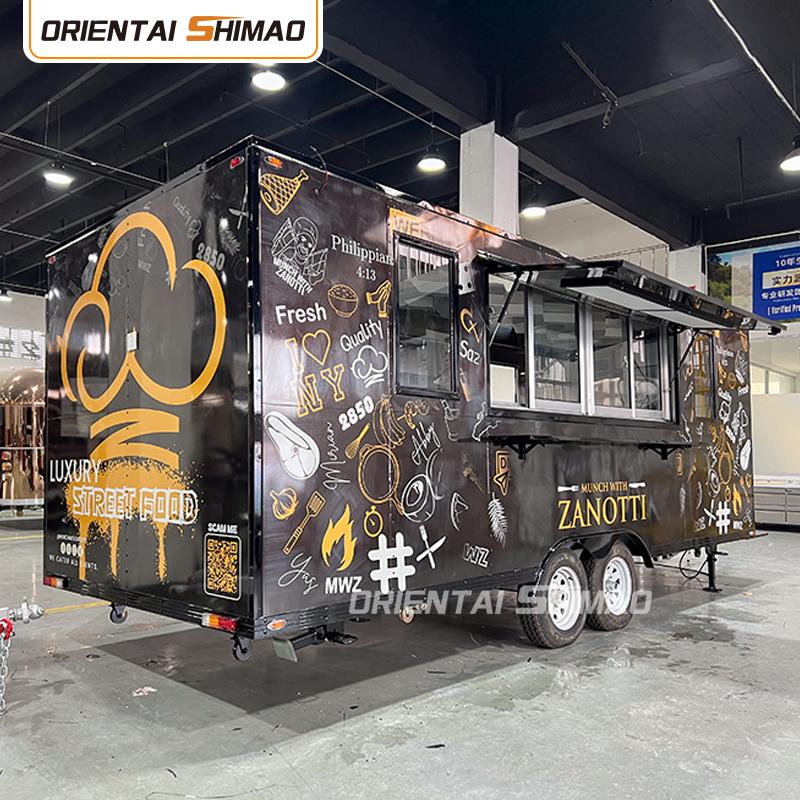
Mobile food has shed its greasy, late-night-only image. Once defined by questionable hot dogs and pretzels, today's carts and trucks dish out everything from truffle-infused fries to lobster rolls. The shift didn't happen overnight—chefs priced out of brick-and-mortar kitchens brought culinary training to curb sides, and customers began demanding more than just a quick bite. Quality ingredients and creative menus turned these roving kitchens into destinations in their own right.
Part of the appeal lies in the storytelling. A taco truck might source heirloom corn from a single farm, while a converted school bus serves regional specialties cooked over an open flame. Menus change with the seasons or the chef's whims, making each visit an event. Social media amplified this, turning food truck locations into treasure hunts and dishes into shareable moments. The once-humble street snack now competes with sit-down restaurants, not by imitating them, but by offering spontaneity and a direct line to the person cooking your meal.
Navigating the Maze: The Legal Landscape and Challenges for Food Truck Owners
Operating a food truck often starts with a romanticized vision of culinary freedom, but the reality quickly sets in once you grapple with the patchwork of local regulations. Every city and county writes its own rulebook when it comes to mobile vending, from where you can park to how long you can stay. Zoning restrictions can push you out of high-foot-traffic areas, while proximity bans near brick-and-mortar restaurants might limit your options even further. On top of that, health department permits aren’t one-size-fits-all; you might need separate approvals for commissary use, waste disposal, and fire safety inspections, each with its own fee schedule and renewal timeline. The sheer inconsistency across jurisdictions turns compliance into a moving target, especially if you plan to operate in multiple neighborhoods or cities.
Beyond the initial permitting hurdles, ongoing operational rules can feel like a legal minefield. Noise ordinances, signage limitations, and restrictions on outdoor seating or music can stifle your visibility and customer experience. Some areas enforce strict hours of operation, effectively shutting down late-night crowds that might be your bread and butter. Then there’s the often-overlooked matter of vehicle code compliance—your truck must meet commercial vehicle standards, including weight limits and parking regulations, which can lead to tickets or even impoundment if ignored. Adding to the complexity, contracts with private event organizers or business parks often come with their own clauses around liability insurance and indemnification, forcing you to become fluent in legalese just to book a gig.
The challenges don’t end once you’re legally parked and serving. Tax obligations can be surprisingly convoluted, as food truck owners may need to collect and remit sales tax across multiple tax districts, sometimes with different rates and filing procedures. Employee classification missteps are common, too, especially when hiring part-time or seasonal help, leaving owners exposed to labor audits and penalties. And let’s not forget the competitive pressures that intersect with regulations—established restaurants may lobby for stricter rules on mobile vendors, creating an ever-shifting landscape where staying informed is a full-time job in itself. Without a proactive approach to legal literacy and a network of knowledgeable peers, it’s easy to feel like you’re navigating a maze where the walls keep moving.
Fusion on Wheels: How Chinese Food Trucks Blend Tradition with Modern Tastes
The rumbling engine of a food truck is now a herald of something unexpected: the scent of five-spice and sizzling chili oil drifting through urban streets. Chinese food trucks have become rolling kitchens where ancient recipes leap off the page and into a fast‑paced world. From steamers full of delicate soup dumplings to woks tossing hand‑pulled noodles, these mobile stalls refuse to compromise on the soul of the cuisine. Yet they thrive on reinvention, wrapping centuries-old flavors in convenient, handheld bites designed for today’s eaters.
At the heart of the menu lies a playful negotiation between the familiar and the bold. Take the classic jianbing: a savory crepe that once anchored Beijing breakfasts now folds around fillings like bulgogi beef or smashed avocado. Lotus leaf buns, pillowy and white, might sandwich braised pork belly one day and crisp kimchi tofu the next. Even the humblest scallion pancake can get sliced into wedges and served with a tangy mango‑tamarind dip. These trucks don’t chase trends; they let regional Chinese cooking absorb the rhythm of local markets, turning each dish into a conversation between homeland and highway.
Beyond the food itself, there’s an alchemy at work that turns a quick meal into a shared experience. Chefs become storytellers, flipping woks and explaining the origins of fermented black beans while customers huddle under string lights. Lines blur between street corner and supper club as glowing reviews spread not through algorithms but through the genuine delight of a sweet‑and‑sour pork taco. The trucks themselves paint a moving mural of cultural identity—one that proves tradition isn’t fragile. It travels lightly, adapts gracefully, and tastes like home no matter where it parks.
The Social Hub on Wheels: Food Trucks as Gathering Spots in Urban China
When night falls over a bustling Chinese city, the glow of a food truck’s string lights often draws a crowd that lingers long after the last bite. These mobile kitchens have evolved far beyond quick meal stops, morphing into impromptu social squares where strangers swap stories over skewers of grilled lamb and cups of fruit tea. On a typical evening in Shanghai’s former French Concession, you might see a cluster of friends perched on foldable stools, their laughter mixing with the sizzle of a hot griddle, while a couple on a first date leans against a shared bicycle, the truck’s playlist setting a casual rhythm for the night.
The appeal lies in the low-pressure, open-air setting that feels worlds away from the formality of sit-down restaurants. There’s no reservation needed, no dress code to follow—just the simple ritual of queuing up for a steaming jianbing or a bowl of spicy noodles, then naturally drifting into conversation with those around you. In cities where high-rise living can breed anonymity, these trucks carve out a temporary commons, a place where the usual boundaries soften and connections spark over a shared appreciation for a well-seasoned taco or a perfectly charred skewer. For many young urbanites, it’s not just about the food; it’s about the fleeting sense of belonging that comes from being part of a spontaneous, joyful crowd under the neon-spangled sky.
Behind the Scenes: A Day in the Life of a Chinese Food Truck Entrepreneur
It starts well before the city wakes, in a cramped commissary kitchen where the scent of star anise and simmering broth already hangs heavy. By 6 a.m., chopping, marinating, and loading the truck are in full swing. There’s a rhythm to it that outsiders rarely see — the quiet precision of folding dumplings by the hundreds, the careful balancing of sauces that took years to perfect. Every container finds its place in the truck’s tiny galley, a puzzle solved anew each morning.
By 10:30, the generator hums to life and the serving window slides open. That’s when the real dance begins. Lunch crowds move fast, and the menu has to keep up — wok hei crackling behind the scenes, orders shouted in a mix of English and Chinese. One eye stays on the stir-fry, the other on the payment app. It’s a constant push to keep quality high while the queue grows, each plate a brief but honest exchange between two cultures.
After the last wipe-down and the final restocking list is scribbled, it’s past midnight. The truck is quiet now, parked back at the yard. Feet ache, clothes smell of oil and ginger. Yet there’s already a mental checklist forming for tomorrow — tweak the spice level, test a new cold noodle special. This isn’t just a business; it’s a living story of flavor, sacrifice, and the stubborn hope that comes from serving something real.
FAQ
The food truck trend in China really took off as cities grew and young people started craving more diverse, casual dining experiences. It was a shift away from formal restaurants—people wanted something quick but still high-quality, and food trucks filled that gap perfectly. Social media also played a huge role, with photos of colorful trucks and creative dishes going viral and drawing in crowds.
You’ll find everything from classic jianbing (savory crepes) and grilled skewers to wild fusion creations like Sichuan-spiced tacos or durian pizza. Regional specialties often get a modern twist too, like Yunnan-style rice noodles served in a portable bowl, or xiaolongbao (soup dumplings) with unexpected fillings. It’s a mix of comfort and surprise.
The biggest difference is in branding and experience. Traditional stalls are often no-frills and rely on decades of reputation, while food trucks focus on eye-catching design, cohesive menus, and a story. They also tend to be more hygienic, with visible cooking processes, and they move around based on demand and events rather than staying fixed in one spot.
They cluster in busy commercial districts, near universities, and at cultural hotspots like creative parks or outdoor music festivals. Night markets are another natural fit—food trucks park alongside traditional vendors, creating a lively street food scene. Some even pop up in residential areas for a limited time, generating buzz through word-of-mouth.
Getting the right permits can be a maze, because regulations for mobile food businesses are still catching up in many places. Prime locations are competitive and often controlled by organizers, and bad weather can wipe out a day’s sales. There’s also the constant pressure to stay innovative—customers expect new flavors and Instagram-worthy presentation.
Social media is the lifeblood of the industry. Platforms like Douyin and Xiaohongshu turn a humble truck into a trending topic overnight if a video or photo goes viral. Owners use these channels to announce their daily locations, tease new menus, and interact with followers. A strong online presence can make the difference between a quiet night and a long queue.
One standout trend is the fusion of regional Chinese flavors with global formats—think mapo tofu burgers or Cantonese roast duck wraps. Health-conscious options are also on the rise, with trucks offering organic salads, cold-pressed juices, and plant-based twists on street food classics. Limited-time collaborations between trucks are another way they keep customers coming back.
The scene is set to become more structured and widely accepted. We’ll likely see clearer regulations, more food truck parks, and even franchise models emerging. Tech-driven upgrades like app-based ordering and smarter payment systems will streamline operations. As Chinese palates continue to evolve, food trucks will keep pushing boundaries, blending tradition with innovation.
Conclusion
China's food truck culture has rapidly evolved from simple street-side carts into a vibrant culinary movement that reshapes urban eating. Initially known for quick, affordable snacks like jianbing and grilled skewers, these rolling kitchens now dish out everything from regional specialties to gourmet creations, reflecting a growing demand for both convenience and novelty. This transformation owes much to determined entrepreneurs who navigate a maze of regulations—securing permits, finding legal parking spots, and complying with health codes—all while trying to stand out in an increasingly competitive market. Despite these obstacles, the mobile food scene thrives, offering a low-barrier entry for chefs eager to reintroduce traditional flavors in fresh, accessible ways.
Beyond the food itself, these trucks have morphed into dynamic social hubs that animate parks, night markets, and office districts across cities like Shanghai and Chengdu. Their menus are a testament to creative fusion: classic Chinese ingredients meet global formats, producing items like mapo tofu-loaded fries or osmanthus-scented lattes. This blending of old and new captures the spirit of a generation that values both heritage and experimentation. For the owners, life is a constant hustle—prepping before sunrise, chasing the lunchtime rush, and serving late-night crowds—but it's a labor of love that turns a simple meal into a shared experience. In essence, China’s food truck revolution is about more than eating; it’s about building community on the go, one inventive dish at a time.
Contact Us
Contact Person: Jack Wang
Email: [email protected]
Tel/WhatsApp: 8618306483516
Website: https://www.orientalshimaofoodtruck.com