

China Plate Compactor Factories: The Complete Guide for Buyers
2026-06-15
When sourcing plate compactors from China, the sheer number of factories can feel overwhelming—but hidden among them are true specialists that redefine quality. One name gaining attention is Dynamic, a brand that challenges the typical trade-offs between cost and performance. This guide unpacks what you need to know before making a decision.
How China’s Plate Compactor Industry Evolved to Meet Global Demand
For decades, China’s manufacturing reputation leaned heavily on cost advantage, but the plate compactor sector tells a more layered story. Early exports were basic machines—functional, affordable, and often indistinguishable from one another. As international buyers raised their expectations, Chinese manufacturers began a quiet but determined shift. Instead of competing solely on price, they invested in incremental improvements: better balance, reduced vibration transfer to the operator, and engines that met stricter emissions standards. These changes weren’t flashy, but they laid the groundwork for machines that could hold their own on job sites from Southeast Asia to North America.
The real transformation came when factories started treating feedback from overseas distributors as a design input rather than an afterthought. Soil conditions in the Middle East differ wildly from those in Northern Europe, and a one-size-fits-all approach stopped making sense. Manufacturers began offering configurable base plates, adjustable eccentric forces, and water tank options that made the compactors usable on both granular soils and hot asphalt. This kind of modular thinking didn’t just solve regional problems—it signaled a new maturity in the industry, one built on listening and adapting rather than simply shipping containers.
Today, the evolution is visible on crowded construction sites and in quiet rental yards alike. Plate compactors bearing Chinese brands now feature telematics-ready wiring, lithium-ion starters, and foldable handles that ease transport—details once reserved for premium European competitors. What’s less obvious but equally important is the support infrastructure that has grown alongside the machines. Responsive parts networks, multilingual manuals, and local service training programs have turned one-time buyers into repeat customers. The industry didn’t just learn to make better machines; it learned how to support them globally, moving from a phase of imitation to a position of genuine, widely recognized competence.
Decoding Factory Specializations: What Sets Leading Manufacturers Apart
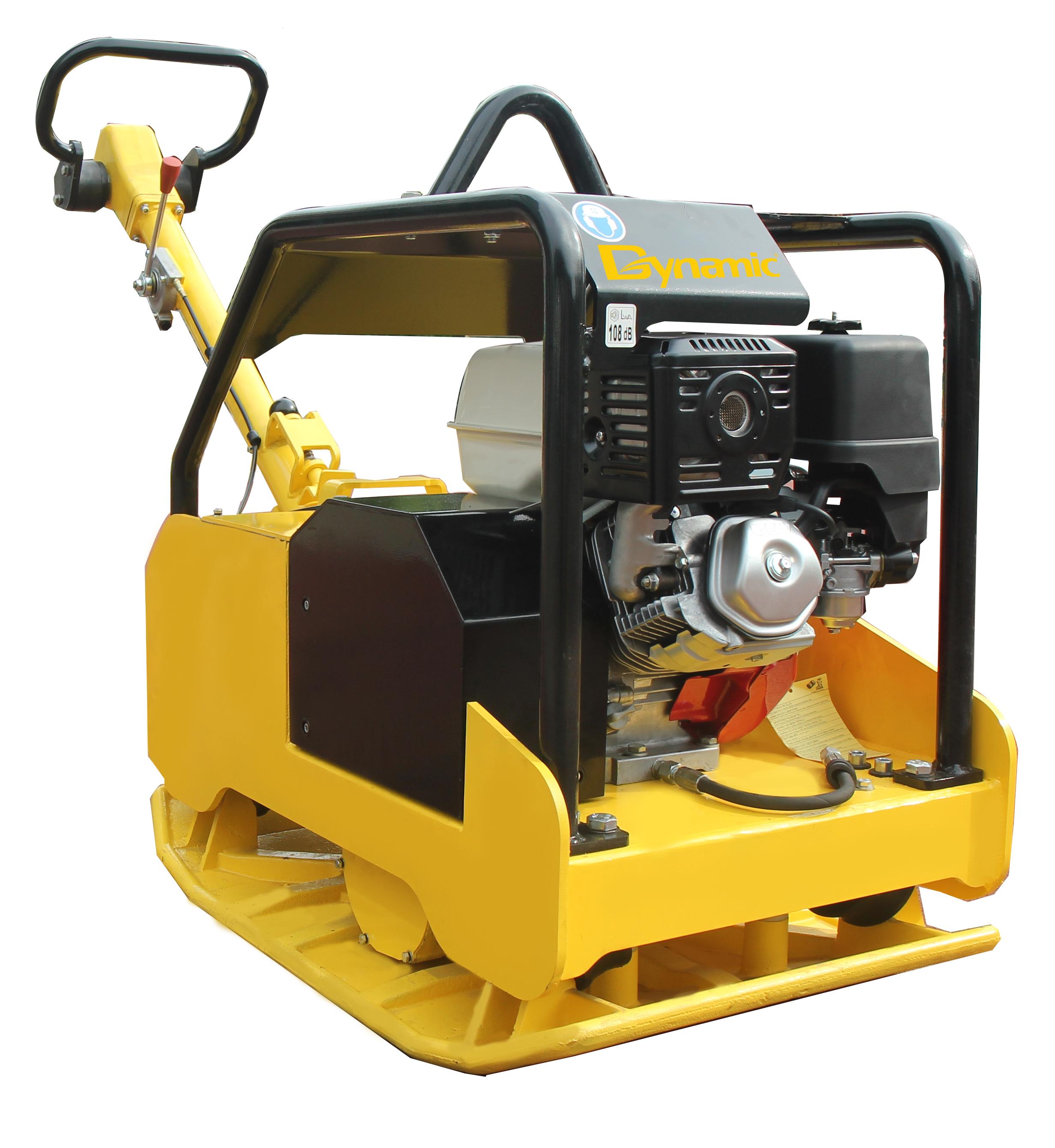
Understanding what elevates a manufacturer from competent to exceptional often comes down to how they refine their core processes. Leading factories don't spread themselves thin; they dig deep into select capabilities, whether that's precision machining, cleanroom assembly, or high-mix low-volume production. This focused expertise allows them to solve problems that generalist plants can't touch, turning technical challenges into consistent, scalable outputs.
Beyond basic machinery, the real differentiator lies in how these plants integrate human skill with adaptive systems. Top-tier specialists invest heavily in cross-training their workforce and designing workflows that evolve with each project's demands. Instead of rigid assembly lines, you'll find cells that can be reconfigured within hours, paired with quality control that catches deviations before they compound. This blend of craft and agility ensures that even custom orders hit the same reliability as mass-produced goods.
The market rewards this depth of specialization in ways that go far beyond unit cost. Clients return not just for the product, but for the manufacturer's ability to anticipate design flaws, suggest material upgrades, or shave weeks off lead times through proprietary logistics. Over time, these factories become silent partners in their customers' innovation cycles—a status that no amount of generic capacity can replicate.
Material and Build Quality: What Buyers Often Overlook
When you're shopping online or even in a store, it's easy to be swayed by a stylish design or a tempting price tag. But materials and build quality are often pushed to the backseat—until the product starts falling apart sooner than expected. Look closely at stitching: are seams straight and reinforced? Does the fabric feel substantial, or does it seem like it might pill or fade after a few uses? These small details rarely show up in glowing product photos, yet they define how long your purchase will last and how good it feels to use day after day.
Another overlooked aspect is hardware and finishing. Zippers, buttons, and clasps might look fine at a glance, but cheap metal can tarnish quickly or snag fabric. Press a fingernail gently against painted trim—does it scratch easily? A well-made item often has a satisfying weight; flimsy materials tend to feel hollow or uneven. Don't just rely on the main image: zoom in on close-ups, watch unboxing videos, and read the critical reviews where people mention what happened after a few months.
Finally, consider the inner structure or lining. A beautiful coat with a polyester lining that makes you sweat is a common letdown. The way seams are finished inside—whether they're bound and lie flat—tells you a lot about the care put into the product. Ignoring these invisible elements might mean dealing with snags, rips, or discomfort that you hadn't bargained for. Taking a moment to assess build quality can shift you from a regretful return to a beloved staple.
Navigating Customization and OEM Partnerships Without Pitfalls
Clarity upfront stops most problems before they start. Rather than relying on vague email threads, put every piece of the puzzle—from raw material grades to tolerance ranges and shipping marks—into a shared specification document. When both sides sign off on physical samples and written standards, there is far less room for costly misunderstandings later.
Hands-on quality checks are non‑negotiable. Even when the OEM promises full responsibility, building your own spot‑inspection routine keeps you in control. Write defect thresholds and rejection protocols directly into the contract. That way, if something slips, you can act fast without playing catch‑up across time zones.
Flexibility and firmness belong in the same playbook. Markets shift, and your partner’s capacity may change. Instead of locking every term rigidly, set regular review checkpoints—maybe quarterly—to adjust volumes or lead times without reopening the whole agreement. At the same time, never bend on the non‑negotiables: your IP rights, critical safety specs, and the payment milestones that protect your cash flow.
Logistics and Compliance: Streamlining Your Supply Chain from China
Shipping goods from China involves a web of choices—sea freight for bulk, air for speed, and rail as a middle ground. Without a clear plan, costs can spiral and deadlines slip. Mapping out your logistics from factory to final destination, factoring in lead times and seasonal bottlenecks, keeps your inventory flowing predictably.
Compliance is where many shipments hit a wall. China’s export rules and your country’s import regulations demand precise documentation—commercial invoices, packing lists, certificates of origin. Overlooking a single detail can mean customs holds or penalties. Staying ahead means constantly reviewing tariff codes, trade agreements, and restricted goods lists, which shift more often than you’d expect.
Integrating logistics with compliance transforms a reactive scramble into a smooth operation. When your freight forwarder and compliance team work hand in hand, you catch issues before they become crises. The result? Fewer surprises, lower total costs, and lead times you can actually count on—turning your supply chain into a real competitive advantage.
Post-Purchase Support Realities: Maintenance, Parts, and Warranty Insights
Many owners discover that routine upkeep costs and part availability vary sharply between brands. A supposedly minor service can turn into a weeks-long wait if the local network hasn’t stocked critical components, forcing you to weigh the convenience of third-party mechanics against often sluggish authorized channels.
Warranty coverage often reads generously on paper but narrows quickly once you dig into exclusions. Wear-and-tear items, electrical gremlins appearing just after the base term, and fine-print stipulations about approved service centers can leave you covering bills you assumed were protected.
Long-term ownership reveals the gap between promised support and daily reality. Savvy buyers lean on owner forums and independent specialists to understand which models hold up and which nickel-and-dime you once the warranty clock runs out.
FAQ
Focus on the factory's production experience and export history. Ask for video walkthroughs of their assembly lines, not just brochures. Check raw material sourcing—good factories use branded engines (like Honda or Loncin) and wear-resistant steel plates. A factory visit or third-party inspection is ideal. Also, clarify whether they offer after-sales support and spare parts availability in your region.
Request a production sample before committing to a bulk order—many factories will send one at a discount. Look for ISO 9001 certification, but don't rely on it blindly. Pay attention to welding seams, paint finish, and how the machine handles vibration during a live test on video. Some buyers also ask for a trial run report. If you can, have an inspector check the units against your agreed spec sheet before shipment.
One is chasing the lowest price without comparing component quality—cheap compactors often use thinner baseplates and unbranded engines that fail quickly. Another is ignoring import duties and local emission standards—some engines might not meet EPA or EU Stage V norms. Also, not pinning down clear warranty terms and assuming all factories offer the same level of service. Always define what 'warranty' covers and for how long.
Yes, most are open to it. You can often customize the plate size, compaction force, engine brand, color scheme, and even add features like a water tank for asphalt work or a wheel kit. The key is to provide detailed specs upfront. Minimum order quantities might be higher for fully customized units, but for minor changes, many factories are flexible even with smaller orders.
Standard models can ship within 15–30 days after order confirmation, depending on the factory's current schedule. Customized builds take longer—plan on 30–45 days. Sea freight adds another 20–40 days to most ports. Always confirm whether the quoted lead time includes production only or production plus shipping. Also, factor in Chinese holidays like Lunar New Year, which can cause significant delays.
Beyond Alibaba and trade shows, dig into industry forums and LinkedIn groups focused on construction equipment. Ask for references from previous buyers—reputable factories won't hesitate. Check their export records and see if they've dealt with markets similar to yours. A factory that proactively suggests an inspection or offers a detailed production timeline is usually more reliable than one that just pushes for a deposit.
In addition to ISO 9001 for quality management, CE marking is vital for European buyers, and EPA approvals matter for the U.S. Some regions require a Certificate of Origin for customs clearance. For engine compliance, confirm if the unit meets emission standards like EU Stage V or similar. Don't just accept a scanned certificate—verify it with the issuing body if possible.
This is often where cheap suppliers fall short. Ask how they handle warranty claims—do you return parts or the whole machine? Where are spare parts stocked? Factories with a strong export focus usually have a parts catalog and can dispatch via air freight quickly. Some offer video assistance for troubleshooting. If they can't clearly outline their support process, consider it a red flag.
Conclusion
China's plate compactor sector has grown from a cluster of domestic workshops into a global powerhouse, yet not every factory moves at the same pace or plays the same role. Some plants specialize in lightweight, high-frequency models popular with rental firms, while others focus on heavy reversible units built for road construction—knowing who you're dealing with matters as much as the spec sheet. A recurring blind spot for buyers is material nuance: the grade of the steel plate, the casting quality of the exciter housing, and whether the engine truly aligns with the claimed duty cycle. These factors shape longevity far more than the initial price tag hints.
Diving into OEM partnerships calls for more than a logo stamp; it demands clarity on design ownership and after-sale obligations to sidestep messy disputes later. Shipping oversized crates from coastal hubs like Ningbo or Shanghai means navigating emissions certifications, container optimizations, and final-mile headaches that can erode margins if left unplanned. Even after delivery, the story isn't over—parts availability, warranty enforcement, and a factory's willingness to troubleshoot remotely often separate a fleeting bargain from a supply relationship that lasts through multiple order cycles.
Contact Us
Contact Person: Annie
Email: [email protected]
Tel/WhatsApp: 8613391442963
Website: https://www.dynamic-eq.com