

China Tesla Seat Covers That Feel Like a Factory Upgrade
2026-11-16
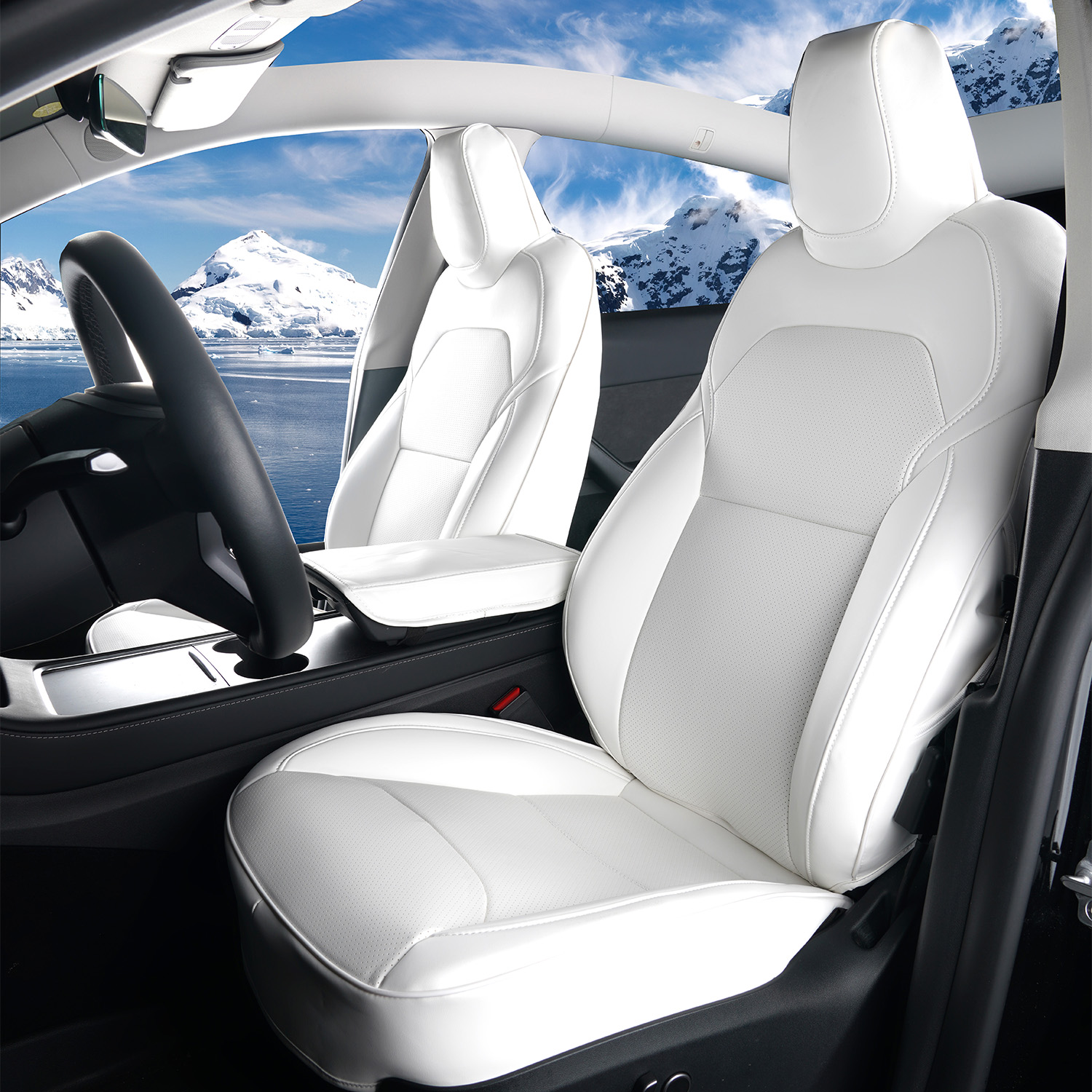
Tesla's cabin is notoriously hard to upgrade without losing the factory feel. Most seat covers either fit like a wrinkled t-shirt or introduce materials that clash with the car's understated design. The China Tesla seat covers from Red Rain take a different route. They are shaped and finished to blend with the original upholstery, so the result reads as a quiet factory upgrade rather than a noisy aftermarket add-on. From stitch placement to surface texture, the details are tuned to keep the interior looking intentional. If you want protection without sacrificing that clean Tesla look, the difference is in details most brands overlook.
The Fit That Could Pass for Original Equipment
It’s the kind of fit that makes you glance twice at the edges and wonder if the factory ever offered this as a hidden option. There’s no wrestling with brackets, no trimming a corner that refuses to align. Every curve follows the original lines closely enough that the piece seems to disappear into the surrounding trim instead of sitting on top of it.
That close tolerance matters most in daily use. Doors close without pinching, trim panels snap back without bulging, and the surfaces you touch still feel like they were planned together. It’s less about looking identical from ten feet away and more about the quiet reassurance that nothing here fights the vehicle’s own design.
Materials That Settle Into the Cabin Instead of Covering It
A cabin wears its history in the grain of its floorboards and the dull edge of a countertop. Materials that settle into a room do not sit on top of it like a veneer. They take on moisture from morning air, absorb the heat of a wood stove, and slowly darken where hands and boots repeat the same gestures. This kind of change is not wear in the usual sense. It is the surface learning to belong to one place.
Solid wood, unlacquered brass, linen, and vegetable-tanned leather all share this tendency. A pine board will cup slightly as the seasons shift, and a brass latch will lose its bright polish within months. The appeal lies in the unevenness. The material stops being a finish and starts behaving like part of the cabin’s metabolism.
Choosing these materials means accepting that the first day will not be the best day. The texture improves with use because nothing is sealed away behind a protective film. What settles in is not dirt or damage, but evidence of the cabin being lived in.
An Install Process That Leaves No Wrinkles or Gaps
Wallcoverings often fail long before the adhesive does. The real culprit is trapped air, uneven tension, or edges that lift the moment humidity changes. A clean install starts with surface chemistry, not just a clean wall. We check porosity, pH, and any residual primer before a single drop of paste is mixed, adjusting the open time so the material can be repositioned without stretching or tearing.
The trick is in the sequencing. Instead of forcing a full drop into place, we work from a plumb line outward, letting the material relax against the wall rather than fighting its natural weight. Seams are cut with a double-cut method only when the pattern demands it; otherwise, we use a butt joint with a micro-squeegee that pushes paste out but never starves the edge. Corners get a relief cut, not a hard fold, so the paper sits into the angle without a shadow line.
After the final pass, we warm the surface gently with a low-heat dryer and re-press every seam with a felt roller. This settles the bond and reveals any hidden bubbles before the adhesive cures. The result is a finish that looks painted from a distance, but stays put through dry winters and damp summers, with no lifting at the trim line and no visible overlap under raking light.
Stitching That Follows the Seat’s Natural Lines
The thread lines are not placed as a simple decorative grid. Instead, they trace the actual contours of the seat, moving along the side bolsters, across the lower cushion, and up the backrest in a way that mirrors how the body settles into the chair. This gives the surface a quieter, more integrated appearance because the stitching never fights the shape it sits on.
Following these natural lines also changes how the material behaves over time. The seams sit where tension is already present, so the upholstery is less likely to pull, bunch, or develop loose areas after repeated use. It is a practical choice that keeps the seat looking taut without making the stitching feel stiff or overly formal.
The result is a seat that reads as one continuous form rather than a collection of stitched panels. Light falls along the seams differently as the curves change, giving the surface a subtle depth that feels more like tailored clothing than standard automotive trim.
Daily Wear Without the Usual Aftermarket Giveaway
Some wheels end up looking like they were designed by a committee of aftermarket catalogs — too much dish, too many spokes, a finish that screams for attention at every stoplight. This car goes the other way. The stance is tight without being slammed, the tires have actual sidewall, and nothing on the body needs a carbon-fiber accent to feel finished. It's the kind of setup that only looks simple because someone already made all the hard choices.
Out on the road, that restraint pays off. The suspension soaks up expansion joints instead of broadcasting them through the seat, the steering weights up naturally mid-corner, and the brake feel stays consistent whether you're easing through traffic or scrubbing speed into a downhill switchback. There's no fake exhaust note, no overboosted throttle map, no launch-control theater. Just mechanical honesty in a package you could park anywhere without feeling like you owe anyone an explanation.
The details reward a second look: slightly rolled fender lips, a subtle alignment with a touch of negative camber, and hardware that's been chosen for durability rather than brand-name sticker value. It's a daily build in the truest sense — one that doesn't need to be trailered, doesn't punish you after an hour of commuting, and doesn't beg for likes when you pull into a gas station. In a scene full of showpieces, this one just works.
The Small Details You Only Notice From the Driver’s Seat
From the driver’s seat, the dashboard develops a personality that spec sheets never mention. You notice how the tachometer needle hesitates just above idle on cold mornings, the faint grain in the leather wrap where your thumb rests, and the exact point where the clutch pedal starts to bite after the cabin has warmed up. These aren’t flaws or selling points; they’re just the quiet texture of a machine you’ve spent enough time with to read.
There’s also the way the door mirror catches a sliver of the rear haunch when you sit a certain way, or how the seatbelt anchor creaks only when the cabin is cold. With the window down, the wind doesn’t just rush past—it curls around the A-pillar and taps the top of your ear at forty miles an hour. None of this shows up in a brochure, but it’s exactly what makes a car feel like yours rather than one you merely drove.
FAQ
The fit is cut to match the Tesla seat contours, so the seams land where the original upholstery does. There's no sag around the bolsters, and the covers use the same style of piping and perforation you'd expect from the stock interior.
No. The side sections are stitched with breakaway thread and leave the airbag deployment zone open. It's a different approach from cheap universal covers that wrap over the entire seat.
Yes. The fabric or leatherette layer is thin enough that heat passes through without much lag. You may need to bump the temperature one level higher on very cold mornings, but the difference is small.
It takes about 45 minutes to an hour if you're careful. The hardest part is tucking the straps and hooks under the plastic trim, not the actual fitting. No seat removal needed.
Some have a light factory scent for the first couple of days. Leaving the windows down or parking in the sun usually clears it. It's not the strong vinyl smell you get from low-grade covers.
The covers are shaped around the control areas, so the power seat buttons stay reachable. For the rear, the cutouts align with the USB ports and cup holder, though you may need to smooth the edge once after install.
Reupholstering looks more permanent but costs far more and means downtime. These covers give maybe 80% of the visual upgrade for a fraction of the price, and you can remove them later without a trace.
Look for model-specific cutouts, real stitching around the edges, and confirmation that the rear cover is split to match the seat folding. Thin, shiny material and vague fitment photos are usually signs of a universal cover in disguise.
Conclusion
The first thing you notice is how the covers sit against the bolsters without that padded, floating look. The edges tuck deep into the seat seams, and the piping runs along the same curves Tesla already designed, so from outside the window it reads closer to a reupholstered interior than a slip-on accessory. The material doesn't announce itself either. It has a soft matte hand that settles into the cabin light, and it doesn't creak or shift when you slide in. Installation takes patience, but the cut is mapped cleanly around the headrests and seat controls. If you work the straps in the right order and pull the center sections taut before securing the sides, the result is a smooth face with no bunching at the lower cushion. The stitching is the part that sells it. Instead of running in generic parallel rows, it follows the shoulder line and the side bolsters, which keeps the pattern from fighting the seat's shape.
After a few weeks of daily use, the usual aftermarket tells don't really show up. There's no sagging at the entry-side bolster, no pulled threads along the perforations, and the color hasn't turned shiny from getting in and out. It still looks intentional rather than protective. From the driver's seat, the smaller choices start to stand out. The back pockets remain usable, the seatbelt latch area is left open without a sloppy gap, and the headrest cover doesn't interfere with adjustment. Even the piping near the recline lever sits low enough that your hand finds it naturally. It's the kind of result that makes you stop thinking about the covers as a temporary fix and start treating them as part of the car.
Contact Us
Contact Person: Ms. Zhu
Email: [email protected]
Tel/WhatsApp: 86-15906860931
Website: https://www.redrainseatcovers.com