

Custom BOV Aerosol Cosmetics Supplier: What Beauty Brands Should Know Before Partnering
2026-09-20
Launching a cosmetics line with BOV aerosol technology isn't just about picking a supplier—it's about securing a partner who understands pressure, precision, and your brand's skin feel. Before you sign anything, there are critical factors to consider: from formulation stability to valve compatibility and regulatory hurdles. That's where Wilson comes in. As a custom BOV aerosol cosmetics supplier, Wilson helps beauty brands navigate the complexities so you can launch with confidence and wow your customers from the first spray.
What “Custom” Really Means When It Comes to BOV Aerosol Filling
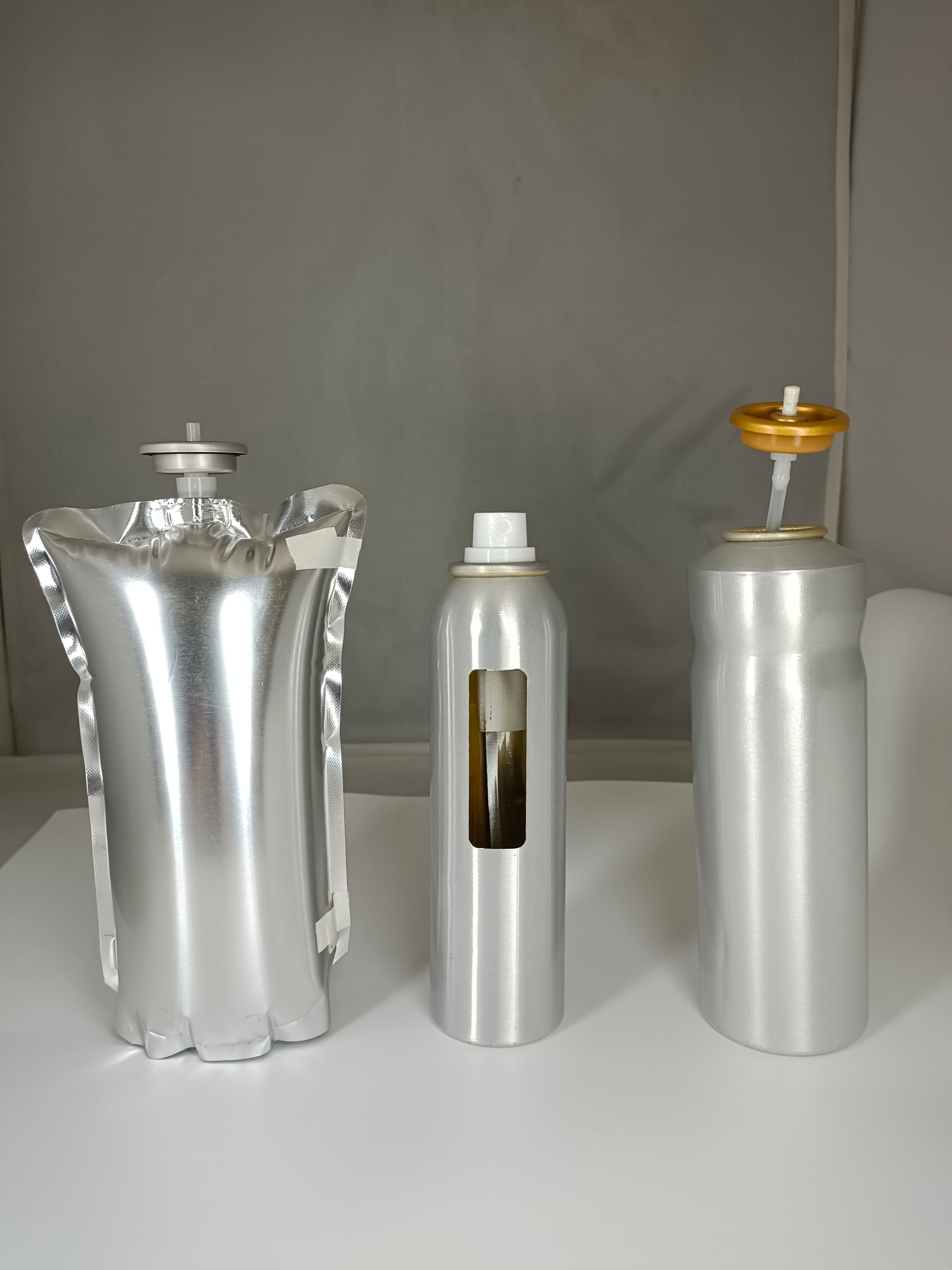
In bag-on-valve systems, "custom" gets thrown around a lot, but it rarely means the same thing from one filler to the next. For some, a custom order ends at picking a standard can size and slapping on a different label. That’s not customization; that’s just inventory selection. Actual custom BOV filling starts with the product inside the bag. A thick gel needs a different bag film and valve orifice than a watery mist, and the pressure profile has to be tuned so the spray stays consistent from first use to last. Without that level of detail, you’re just forcing your formula into someone else’s box.
The valve is where a lot of custom work lives, and it’s easy to overlook. Need a continuous spray instead of a metered dose? Want a 360-degree actuator for an upside-down application? Those choices change the stem, housing, and gasket materials. A filler that actually does custom work will ask about your target spray pattern, droplet size, and even the evaporation rate of your solvent blend before recommending anything. If the conversation starts with “pick a can from this list,” you haven’t found a custom filler yet.
Real customization also covers the less glamorous side: fill volume, overpressure, and bag compatibility with aggressive solvents or oxygen-sensitive formulas. Some products need nitrogen instead of compressed air to prevent oxidation; others need a double-laminated bag to stop permeation. The best custom BOV projects treat the can, bag, valve, and propellant as one system, not separate parts. That kind of integration is what separates a can that merely sprays from one that performs the same on day one and day three hundred.
The Formula Compatibility Conversation Most Brands Skip Until It’s Too Late
Many brands treat formula compatibility as an afterthought, only testing for obvious clashes right before launch. That mindset works until a customer mixes two products from the same line and ends up with pilling, irritation, or a weird separation on the skin. By then the return requests and negative reviews are already piling up.
The conversation gets skipped because it feels technical and unmarketable. It’s easier to talk about glow, texture, and active percentages than to explain why a vitamin C serum shouldn’t be layered with a strong exfoliant, or why a moisturizer’s occlusive base can block the absorption of the serum underneath. But ignoring it turns a well-meaning routine into a guessing game.
Brands that start this conversation early in product development end up with clearer instructions, fewer complaints, and more repeat customers. They don’t need to over-explain; they just need consistent, simple guidance that respects how real people actually layer products. That kind of clarity is rare, and it shows.
MOQs, Setup Fees, and the Real Cost of a “Low Minimum” Promise
A low minimum order quantity sounds like a dream until you read the fine print. Suppliers dangle the promise of ordering as few as 50 or 100 units, but the real cost often hides in setup fees that quietly eat into your margin. That “low minimum” isn’t a favor—it’s a pricing strategy. You either pay a steep fee per piece to cover machine time and labor, or you lock into a unit price so inflated that the math stops making sense before you’ve sold your first batch.
What most buyers miss is that setup fees rarely disappear as you scale. A factory might waive the $80 screen charge at 500 pieces, only to introduce a “plate change” fee or a separate charge for each color or size. So the low minimum you celebrated on the quote turns into a series of micro-charges that only become visible when the invoice arrives. The true cost isn’t the per-unit price—it’s the gap between the advertised promise and the operational reality of producing a tiny run profitably.
If a vendor’s low minimum feels too good to be true, ask for a line-item breakdown before committing. Compare the total cost per unit at 100 pieces versus 300 pieces and you’ll often find the sweet spot is higher than the advertised minimum. Sometimes paying a slightly higher setup fee upfront but getting a meaningful per-unit discount at a larger quantity is the smarter play. Low minimums are a useful tool for testing a market, but treating them as a long-term purchasing strategy is how small brands accidentally give away their margin.
Stability Testing Questions That Reveal Whether a Supplier Actually Knows Your Formula
Ask your supplier to walk through the specific degradation pathways they've observed for each active ingredient in your formula, not just recite shelf-life data from a generic study. A supplier who genuinely knows your product will mention how pH shifts, exposure to trace metals, or packaging interactions accelerate breakdown in your particular matrix—and they'll have forced degradation data to back it up.
Probe whether their stability protocol includes bracketing or matrixing across your full range of strengths and container closure systems. If they hesitate on how they handle low-dose formulations, light-sensitive components, or oxygen-permeable packaging, that's a red flag—real expertise shows in the exceptions, not just the standard ICH conditions.
Finally, ask what surprised them in the last stability study they ran on a formula similar to yours. A supplier who can describe an unexpected degradation product, a packaging leachable interaction, or a solubility shift under accelerated conditions is one who actually looked at the data instead of just filing it.
Why Your Canister and Valve Selection Can Make or Break the Consumer Experience
The first press of an aerosol product sets the tone for the entire user experience. A canister that feels solid in the hand and a valve that responds with just the right amount of resistance signal quality long before the active ingredients do their job. If the actuator requires too much force or feels flimsy, consumers may hesitate to use the product again, even if the formula inside is excellent.
Spray pattern and flow consistency are equally decisive. A well-matched valve and canister combination delivers a fine, even mist or a controlled foam with every use, while a poor match can lead to sputtering, dripping, or clogging. These inconsistencies frustrate users and often lead them to believe the product itself is defective, not just the packaging component.
Compatibility between the canister material, valve seals, and product formulation prevents slow leaks and pressure loss over time. When packaging fails quietly, consumers discover a dead can at the moment they need it most, and that disappointment becomes tied to the brand. Thoughtful selection of every component keeps performance stable from first spray to last, protecting the experience the manufacturer worked hard to create.
Pilot Runs and Samples: How to Spot Red Flags Before You Commit to Full Production
Getting burned by a full production run starts with skipping the pilot. A pilot isn't a formality—it's your last clear look at whether the factory actually understands what you're asking for. Ask for a sample from the exact production line, not a hand-finished mock-up. If the sample arrives late, arrives with a different thread color than approved, or comes with a note saying "we fixed this in bulk," treat that as a warning, not a reassurance.
Watch how the supplier handles deviations. A red flag isn't just a crooked stitch or a wobbly logo—it's how the supplier reacts when you point it out. Do they argue that customers won't notice? Do they promise the full run will be tighter without showing you how? Strong suppliers log the issue, adjust the jig or the process, and send a second sample quickly. Weak ones talk you out of caring.
Finally, compare the pilot against your golden sample and your spec sheet side by side. Weigh it, measure it, wash it if you have to. If the pilot has four small differences that you let slide, the full run will have twelve. Write down every deviation, no matter how minor, and get written confirmation of the fix. If the factory resists putting fixes in writing, that's your signal to pause—not to hope for the best.
FAQ
BOV keeps the formula and propellant separate, so the product never touches the gas. That means less oxidation, fewer preservatives needed, and formulas with delicate actives can stay stable longer. Brands often notice a difference in texture too, since the product comes out in a softer, more consistent mist rather than a harsh blast.
Yes, not everything benefits from BOV. High-viscosity creams or formulas with large particles can struggle to pass through the valve. Alcohol-heavy sprays may not see much gain since they are already stable. It is best for emulsions, serums, sunscreens, and oxygen-sensitive actives where separation and degradation are the main concerns.
It varies, but many suppliers ask for 10,000 to 25,000 units per SKU. Some smaller contract manufacturers will do 5,000 for a premium price per unit. If you are testing the market, ask for a pilot run first: a few hundred units for stability and consumer testing before committing to a full production batch.
Ask for technical dossiers showing batches with similar preservative systems. Request references from brands that use plant-based actives, and ask how they handle compatibility testing with botanical oils or vitamin C. A capable supplier will be able to walk you through their nitrogen blanketing process or vacuum filling steps that protect sensitive ingredients.
In the EU, BOV aerosols often need to meet the Aerosol Dispensers Directive, including burst pressure testing and specific labeling. In the US, the DOT has shipping classification if the can contains compressed gas, and the FDA regulates the cosmetic formula itself. Propellant type matters too: some hydrocarbons face VOC limits in California. A supplier with a compliance team can help map this before you invest in tooling.
Genuine support exists, but you need to verify details. Bag-on-valve cans can use recycled aluminum and are easier to empty completely, which reduces waste. Some suppliers offer mono-material pouches inside the can or CO2 as a propellant instead of hydrocarbons. Ask for lifecycle data and certifications like ISO 14001 rather than accepting a one-line green claim.
Tooling fees for custom actuators and overcap design, storage conditions for filled cans (they need temperature-controlled space), and slower filling speeds that raise per-unit labor costs. Also, if your formula has a short shelf life with nitrogen, you may need more frequent production runs, which increases freight and warehousing. Always get a full cost breakdown that includes line trial fees before signing.
Conclusion
Custom BOV aerosol filling isn't just slapping your logo on a standard can. It means the supplier can adjust pressure, spray pattern, foam density, and drying time to match your formula—and that formula must actually be compatible with bag-on-valve technology. Many brands discover too late that certain oils, silicones, or actives degrade the inner bag or clog the valve. Before you sign, ask for a full ingredient review and documented stability data under heat and cold cycling, not just a passed sample. Realistic MOQs and setup fees often get buried: a 'low minimum' might only apply to stock components, while custom canister printing or a unique valve still triggers thousands in tooling charges. Get that in writing.
Canister and valve choice directly shapes the user experience—a too-wide spray cone or a stiff actuator can ruin a premium feel. Pilot runs are the only way to see how the product behaves after weeks in the can, not just fresh from the filler. Insist on aging samples at elevated temperatures before committing. A supplier who rushes you past pilot testing or dismisses your stability concerns is telling you something about how they'll handle problems after full production. The best partners will walk you through compatibility failures they've caught for other brands, not hide them.
Contact Us
Contact Person: Simon
Email: [email protected]
Tel/WhatsApp: +86 13267966849
Website: https://www.wilsoncosmetic.com