

Electric Wheelchair Factory Insights That Shape Reliable Mobility Solutions
2026-09-04
When an electric wheelchair leaves the factory floor, every weld, battery connection, and control module carries the weight of a promise: that someone will move through the world with confidence. At Suncare, we don't treat factory insights as a checklist—we treat them as the blueprint for reliable mobility. From the first torque test to the final user simulation, each decision shapes how far a chair can travel, how smoothly it turns, and how long it lasts without breakdowns. This blog walks you through the behind-the-scenes details that separate a wheelchair that merely works from one you can trust every single day.
What the Assembly Floor Reveals About Long-Term Wheelchair Stability
The assembly floor is rarely given much thought, but it acts as an accelerated test track for wheelchair hardware. Sealed concrete, expansion joints, worn carpet tiles, and the occasional threshold all create small vertical changes that a chair rolls over hundreds of times a day. Those repeated micro-impacts work their way through casters, axle plates, and frame junctions, slowly loosening fasteners or shifting alignment. A chair that feels stable on a perfectly level showroom slab can begin to drift or rattle after a few weeks on a mixed surface, and that difference is what the assembly floor makes visible.
Smooth polished concrete looks forgiving, but it brings its own set of problems. Dust and fine debris reduce caster grip, forcing the user to make constant small corrections. Those corrections load one side of the frame more than the other, wearing bushings unevenly and exposing any fork stem play. The transition from concrete to a rubber mat or low-nap carpet is even more telling: if the rear wheels are not perfectly parallel or one caster stem is slightly bent, the chair will pull to one side and transmit a low-frequency shudder through the seat. Over time, that shudder becomes fatigue in the backrest posts and the footrest hangers.
What the assembly floor reveals is not just immediate handling, but long-term structural honesty. A wheelchair that crosses a floor-mounted cable protector or a grouted joint hundreds of times will show whether its welds, spoke tension, and hub bearings were built for real life or only for a catalog photo. Watching how a user navigates around drill stations, storage racks, and uneven drains tells you more about durability than a bench test ever will. The floor is merciless, repetitive, and ordinary, which is exactly why it remains one of the best predictors of whether a chair will stay true and stable over years of daily use.
Torque Checks and Weld Inspections Behind Consistent Mobility
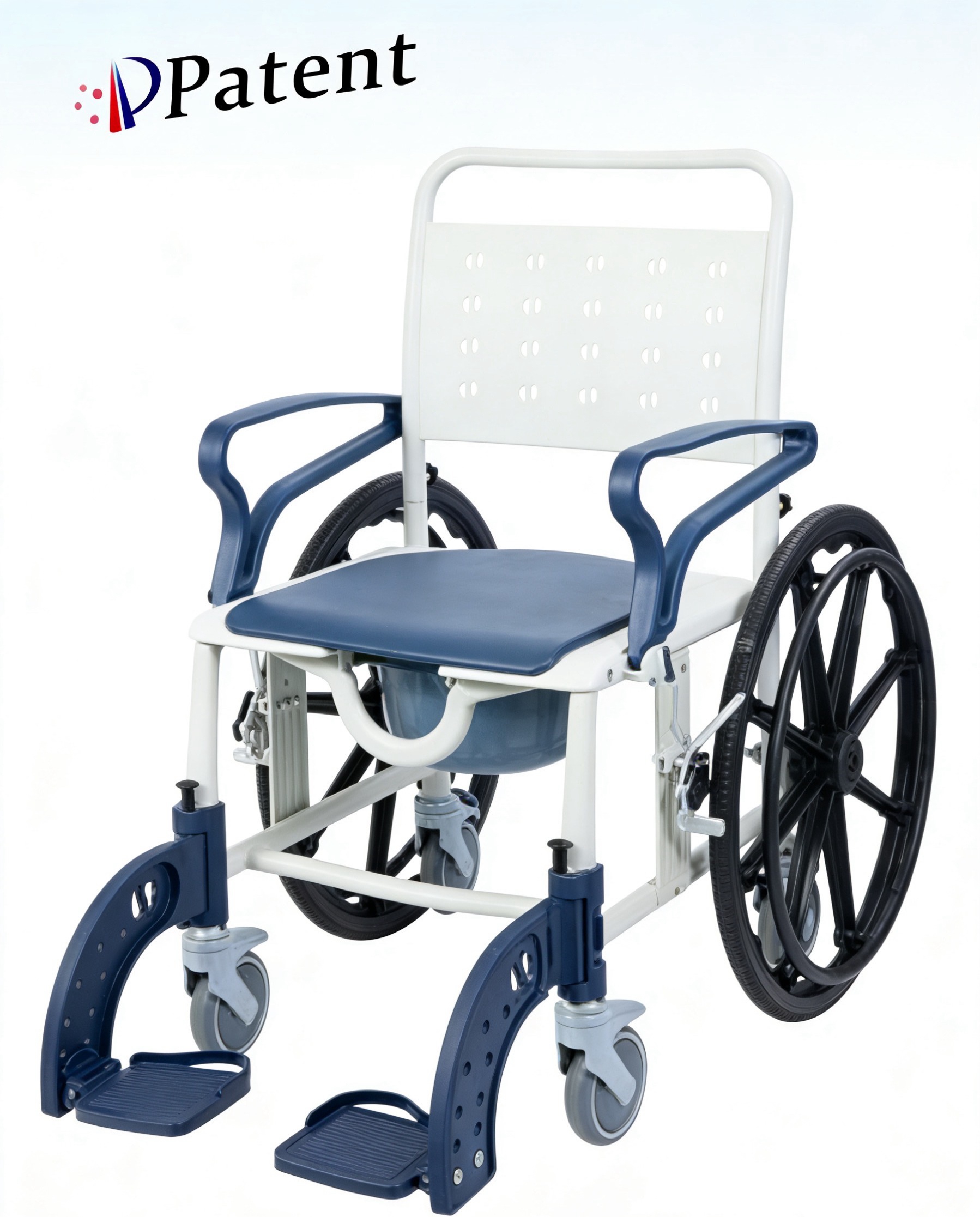
On any piece of mobile equipment, the fasteners holding suspension, drivetrain, and steering components together face relentless vibration and shock loads. A torque check isn't just a box to tick—it's a way to catch the early stages of thread fretting or joint relaxation before a bolt backs out completely. We've learned to pull a calibrated torque wrench on a randomized sample of critical joints each week, especially on machines that run over rough terrain. Recording the breakaway torque and comparing it to the last three readings shows whether a particular location is developing a pattern of loosening, which often points to an undersized fastener or a worn mating surface rather than a simple lapse in maintenance.
Weld inspections fill in the gaps that torque data misses. A weld can look solid on the outside while hiding porosity or lack of fusion just below the surface. On structural frames and mounting brackets, those hidden flaws turn into crack initiation points after enough load cycles. We don't rely on visual checks alone; a dye penetrant test on high-stress gussets and occasional ultrasonic spot checks on load-bearing tubes give a much clearer picture. When we find a crack, we don't just grind it out and re-weld—we trace the surrounding area for signs of distortion or previous repairs, because a recurring crack usually means the joint design, not the weld itself, is the root cause.
Bringing torque checks and weld inspections together is what keeps mobility consistent over years of service. A loose driveline bolt can throw off alignment and put extra stress on a nearby weld, leading to a failure that looks like a weld problem but started as a torque issue. By tracking both sets of data on the same inspection sheet, the maintenance crew can spot interactions that would otherwise get missed. It's the difference between reacting to breakdowns and knowing which joints will need attention before the next shift starts.
Ergonomic Choices That Start Before the First Frame Is Cut
A frame builder doesn’t reach for the saw until a stack of notes, measurements, and rider history sits on the bench. Inseam, shoulder width, hip angle under load, and how many hours a week the rider actually spends in the saddle all get translated into geometry long before a single tube is mitered. A slightly slacker head tube for long gravel descents, a shorter top tube to ease lower-back pressure, a bottom bracket drop that keeps the pedals from clipping through corners—these aren’t afterthoughts. They’re the first decisions, made while the frame still exists only as a sketch.
Material choice and tube profile often get discussed as performance specs, but they function as quiet ergonomic tools. A thinner-walled steel downtube flexes just enough to soften chip seal without robbing power, while a carbon fork with a specific rake can reduce road buzz before it reaches the hands. The builder who thinks ergonomically will match a rider’s weight and pedaling style to a bottom bracket height that avoids hip rock at high cadence. None of this shows up in a finished bike photograph, yet it determines whether the bike disappears beneath the rider or fights them after hour three.
Even the assembly sequence gets a vote. If a rider can’t hold an aero tuck for more than twenty minutes, the frame may be designed around a shorter reach and a higher stack—but that also changes cable routing and brake hose lengths, which are planned before the tubes are cut. The goal is to remove the need for spacer towers or a saddle slammed all the way forward. When the first frame cut finally happens, it isn’t the start of the build; it’s the confirmation that the ergonomic choices were already locked in.
Battery Housing Decisions That Influence Real-World Range
The shape of a battery enclosure does more than hold cells in place—it quietly shapes how far a car can travel on a single charge. A housing that forces awkward cooling paths or adds unnecessary bulk steals energy that would otherwise reach the wheels. Designers often discover that a few extra kilograms in the wrong place, or a structural rib that blocks airflow, can trim several kilometers from real-world range without ever showing up on a spec sheet.
Material choices ripple through range in ways that aren't obvious at first glance. An all-aluminum housing might sound premium, but if it demands thicker walls to match the stiffness of a steel design, the weight penalty cancels the benefit. Meanwhile, composite panels can insulate too well, trapping heat and forcing the thermal management system to work harder. The housing's thermal conductivity, not just its mass, dictates how gently the battery stays in its ideal temperature window—a window that directly governs usable capacity on cold mornings and hot afternoons.
Even the way a housing attaches to the vehicle changes the distance you can travel. A rigid, tightly bolted pack can act as a structural member, stiffening the chassis and letting engineers remove reinforcements elsewhere. That subtle trade—using the battery case to do double duty—often trims more overall weight than any exotic material swap. The most range-efficient housings aren't just boxes; they're load-bearing partners in the vehicle's skeleton, tuned to protect cells while staying as invisible to the drivetrain as possible.
Material Blends That Balance Weight, Cost, and Daily Wear
Everyday products rarely rely on a single material. A phone case might combine a soft TPU bumper with a rigid polycarbonate back, letting the edges flex on impact while the rear stays scratch-resistant. This layering isn't about over-engineering; it's about placing the right material where it earns its keep.
Weight is often the first casualty when chasing durability. Blending glass fiber into nylon, for instance, adds stiffness without the heft of metal, and a 30% fill can bump tensile strength noticeably while keeping costs below machined alternatives. The trick is not to maximize any one property, but to tune the blend until the part survives daily drops, pocket grit, and temperature swings without becoming a brick in your hand.
Cost enters the equation through process as much as raw ingredients. Overmolding a thin elastomer over a cheaper substrate cuts material expense and assembly steps, while co-molding a recycled core with a thin virgin skin hides surface imperfections and slashes per-unit price. Designers who treat material blending as a conversation between function and budget end up with parts that feel intentional, not compromised.
Final Audit Gates That Catch What Lab Tests Overlook
Bench validation often runs parts under clean, single-variable conditions, which is why a connector can pass salt spray and thermal cycling yet still corrode within months on a vehicle. The final audit gate exists to catch the stuff that never shows up in a test report: a seal lip with molding flash, a bolt torqued to spec but missing the thread locker, a harness branch that sits 3 mm closer to a sharp bracket than the drawing allows. These are assembly and supplier-lot realities, not design flaws, so they slip past lab protocols.
A useful final audit doesn't re-run functional tests. It walks the line between what was built and what was intended. Inspectors compare the actual production unit against the released CAD and the warranty-return history, looking for drift that tests can't see. For example, if a sensor housing passes pressure decay but the potting compound has a hairline crack near the wire exit, that unit may leave the plant and fail only after months of thermal expansion. The audit flags that crack by touch and magnification, not by a pass/fail gauge.
Because these gates operate on finished goods or near-shipment lots, they also create accountability. When a discrepancy is found, the line doesn't just sort good from bad; it traces the exact cavity, fixture, or operator shift that produced the deviation. That closed loop is what makes the final audit more than a last-chance inspection. It turns overlooked lab blind spots into process corrections, so the next batch doesn't need luck to survive the field.
FAQ
We hold axle mount points to within half a millimeter because that is where repeated impact stress concentrates. A small misalignment there shortens bearing life and makes the chair pull to one side within months.
Cast aluminum lets us shape complex cable channels and reduce overall weight, but it demands strict furnace temperature logs to avoid porosity. Fabricated steel is reserved for bariatric models where higher load ratings justify the extra mass.
Every chair runs a 45-minute thermal cycling loop while loaded to 80 percent of its rated capacity. Technicians watch for voltage sag during repeated joystick reversals, which often exposes cold solder joints that pass a simple power-on check.
Bathroom humidity and accidental spills are common enough that uncoated connectors develop green corrosion within a season. The coating adds about ninety seconds of labor but prevents a large share of field failures traced to resistance buildup.
It changes how users maintain the chair at home. Instead of waiting for a technician, they can slide the pack out and charge it indoors, which also lets the factory ship lithium batteries under simpler hazardous goods rules when the tray is removable.
We use pressure mapping with volunteers who have different pelvic asymmetries, not just healthy test dummies. The data drives foam density changes in specific zones, so a 50 cm seat does not create hot spots after two hours of sitting.
Failure consequences are mobility loss rather than a frozen screen, so the audit checks firmware redundancy, brake interlock behavior during power loss, and whether the joystick can accidentally send a full-speed command after a fault reset.
Conclusion
Walking the assembly line, you quickly realize long-term stability isn't a final inspection checkbox—it's a sequence of small, deliberate acts. Torque wrenches click at the same stations every day, and welds get probed with a pick before any paint hides them. The ergonomic decisions—seat depth, joystick reach, backrest angle—are locked into the jig long before the first frame tube is cut, so the chair fits human proportions instead of forcing a compromise later. These floor-level habits are what make the difference between a chair that feels planted after three years of daily curb drops and one that starts rattling at six months.
Down the line, battery housings receive their own quiet discipline. A tiny seal gap or a loose connector can silently shave miles off real-world range, so workers check compression and seating with the same seriousness as the welders. Material blends follow field reports rather than cost spreadsheets: nylon-reinforced corners where impacts hit, aluminum where weight matters, steel only where stress concentrates. Then the final audit gates add something lab tests can't fully replicate—a tester rides the chair off a curb, folds and unfolds the frame, and listens for the kind of creak a vibration rig would never flag. That mix of early design honesty and late-stage physical judgment is what actually shapes reliable mobility.
Contact Us
Contact Person: Frank Chan
Email: [email protected]
Tel/WhatsApp: 0086-13924529088
Website: https://www.suncare-medical.com