

Exploring Advanced Disconnector Switch Solutions for Modern Industrial Applications
2026-01-16
In today's rapidly evolving industrial landscape, the reliability and efficiency of disconnect switch solutions are more critical than ever. From manufacturing plants to energy distribution systems, these components play a pivotal role in ensuring operational safety and minimizing downtime. At Lugao, we understand that modern applications demand more than just basic functionality—they require innovative designs that adapt to complex challenges. This article delves into advanced disconnector switch technologies, exploring how they're revolutionizing industrial setups. Whether you're an engineer seeking cutting-edge solutions or a manager aiming to optimize performance, join us as we uncover the future of disconnect switches. What makes these advancements truly transformative? Let's find out together.
Innovations in Disconnector Switch Design for Enhanced Safety
Recent advancements in disconnector switch design have prioritized safety through enhanced insulation materials and improved arc-quenching mechanisms. For instance, the integration of vacuum interrupters has significantly reduced the risk of electrical arcing during operation, allowing for safer disconnection under load conditions. This innovation not only minimizes potential hazards like fires or equipment damage but also increases operational reliability in high-voltage applications.
Another key development involves the use of smart monitoring systems that continuously assess switch status and environmental conditions. By incorporating sensors for temperature, humidity, and load current, these systems can predict failures before they occur, enabling proactive maintenance. This predictive approach enhances safety by preventing unexpected malfunctions and reducing downtime in critical infrastructure.
Additionally, ergonomic designs have emerged to improve operator safety, featuring clear visual indicators and simplified controls that reduce human error. With ruggedized enclosures and weather-resistant coatings, modern disconnectors withstand harsh conditions while maintaining performance. These innovations collectively ensure that disconnector switches meet stringent safety standards while adapting to diverse industrial needs.
Integration of Smart Technologies in Industrial Switching Systems
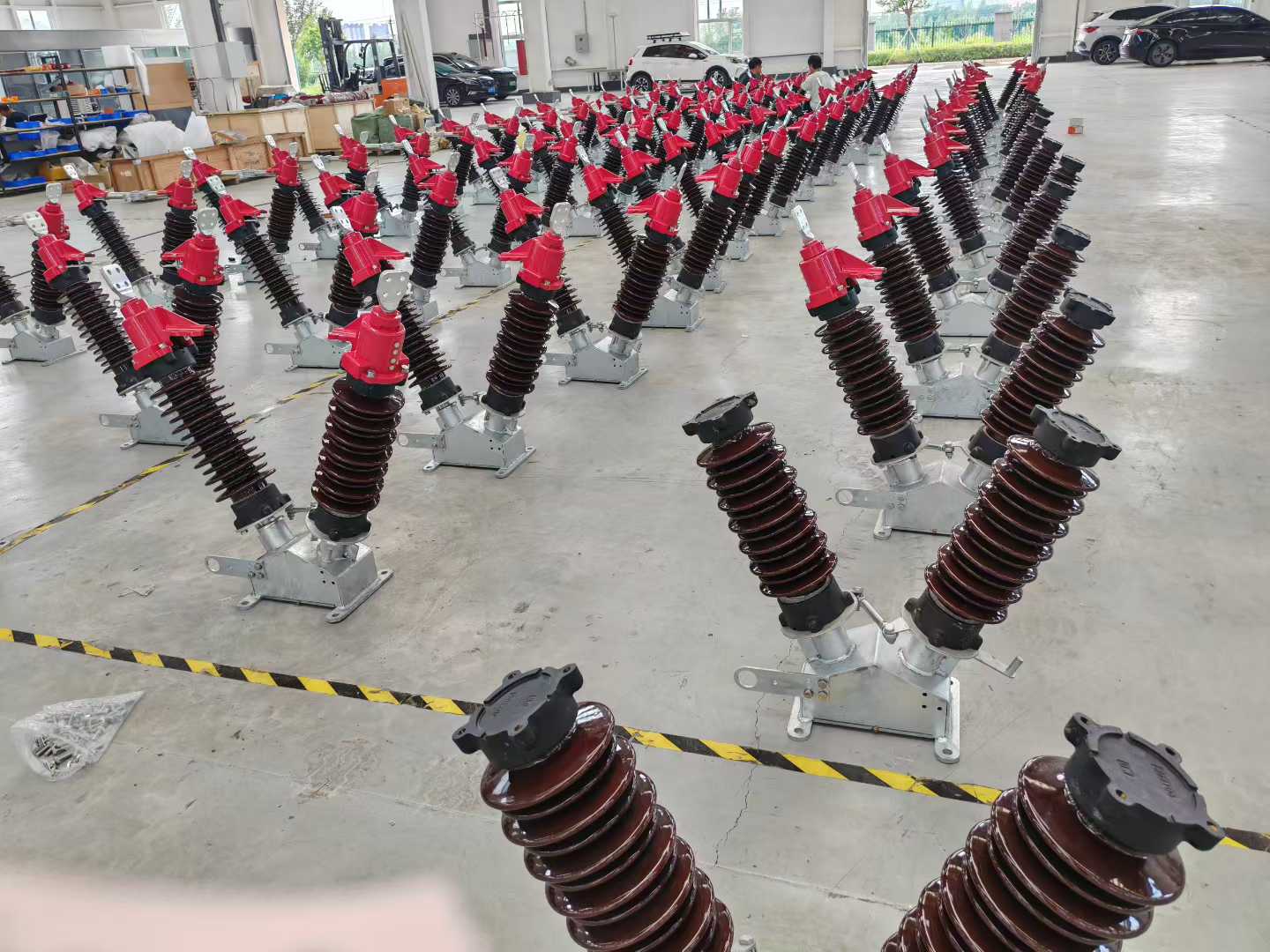
In today's rapidly evolving industrial landscape, the integration of smart technologies into switching systems is transforming how facilities manage power distribution and control. Unlike traditional setups that rely heavily on manual operation, modern systems incorporate sensors, real-time monitoring, and automated responses to optimize performance. This shift not only enhances reliability but also enables predictive maintenance, reducing downtime and operational costs.
By embedding IoT devices and advanced analytics, these systems can adapt to dynamic environments, such as fluctuating energy demands or equipment failures. The result is a more resilient infrastructure that supports sustainable practices and meets the growing need for efficiency in sectors like manufacturing, energy, and logistics. As industries prioritize connectivity, the role of intelligent switching becomes a cornerstone for innovation and competitive advantage.
Materials and Durability in Modern Disconnector Applications
In today's industrial landscape, disconnectors are crucial for safety and efficiency, and their reliability hinges heavily on material selection. Advanced alloys like stainless steel with high chromium content or specialized polymers are increasingly favored for their corrosion resistance and longevity, particularly in harsh environments such as offshore platforms or chemical plants. These materials not only withstand extreme temperatures and pressures but also reduce maintenance needs, ensuring that disconnectors perform consistently over extended periods without frequent replacements.
Durability isn't just about the materials themselves; it's also shaped by design innovations that enhance structural integrity. For instance, modern disconnectors often incorporate reinforced joints and anti-wear coatings, which mitigate common failure points like fatigue cracks or abrasion. By integrating these features, manufacturers can tailor disconnectors to specific applications, from high-voltage power grids to automated manufacturing lines, where unexpected downtime can lead to significant operational disruptions and safety risks.
Beyond technical specs, the push for sustainability is driving material choices towards eco-friendly alternatives, such as recyclable composites or bio-based plastics, which offer comparable durability with reduced environmental impact. This shift reflects a broader industry trend where long-term usability aligns with regulatory standards and corporate responsibility goals, making durability a key factor in both performance and compliance for modern disconnector applications.
Customizable Switch Solutions for Diverse Industrial Settings
In modern industrial operations, one-size-fits-all components simply don't cut it anymore. That's why customizable switch solutions are rapidly becoming indispensable across varied environments, from manufacturing plants to energy facilities. These adaptable switches can be tailored to meet specific operational demands, ensuring seamless integration with existing systems while enhancing overall efficiency. Whether you need robust designs for harsh conditions or precision controls for delicate processes, the flexibility offered can significantly reduce downtime and maintenance costs.
What truly sets customizable switch solutions apart is their ability to address unique challenges that standard off-the-shelf options might overlook. Imagine a chemical processing plant requiring switches resistant to corrosive substances or a food production line needing easy-to-clean, sanitary designs. With customization, industries can specify materials, configurations, and features like waterproofing or high-temperature tolerance, directly impacting safety and productivity. This tailored approach not only improves reliability but also supports compliance with stringent industry regulations, giving businesses a competitive edge in demanding settings.
Beyond just functional adaptability, the design process for these switches often involves collaboration between manufacturers and end-users to fine-tune every detail. This partnership results in intuitive interfaces and ergonomic layouts that operators find easier to use, reducing the risk of human error. As technology evolves, so do the possibilities—integrating smart sensors or IoT connectivity into customized switches can provide real-time data insights, transforming simple components into strategic assets. Ultimately, investing in such solutions means building a more resilient and responsive industrial ecosystem tailored to thrive in diverse and dynamic environments.
Improving Operational Efficiency with Advanced Disconnector Features
By integrating smart sensors and real-time monitoring into disconnectors, operations teams can now detect potential faults before they escalate, reducing downtime and maintenance costs. This proactive approach not only streamlines workflow but also enhances safety protocols by providing instant alerts for abnormal conditions.
Advanced features like automated switching and remote control capabilities allow operators to manage power flows from centralized systems, minimizing manual interventions and human error. This results in faster response times during grid adjustments and improved reliability in energy distribution networks.
Customizable settings and adaptive algorithms enable disconnectors to adjust to varying load demands, optimizing energy usage without compromising performance. Such innovations support sustainable practices by reducing waste and aligning with modern energy efficiency goals.
Future Trends in Disconnector Switch Technology and Applications
One key trend shaping the future of disconnector switch technology is the integration of smart features and digitalization, which enables real-time monitoring and predictive maintenance. As industries push for more reliable and efficient power grids, these switches are evolving with embedded sensors and IoT capabilities to detect faults early, reduce downtime, and enhance safety. This shift not only improves operational performance but also supports the growing demand for automated, data-driven infrastructure in renewable energy and smart city applications.
Another emerging direction is the development of more compact and environmentally friendly designs, driven by stricter regulations and space constraints in urban installations. Manufacturers are focusing on materials that reduce environmental impact, such as SF6-free alternatives, while maintaining high insulation and durability. These innovations allow disconnector switches to be deployed in tighter spaces, like underground networks or offshore wind farms, without compromising on performance or safety standards, making them adaptable to diverse and challenging environments.
Additionally, the future sees a rise in application-specific customization, where disconnector switches are tailored to unique industrial needs, such as in electric vehicle charging stations or data centers. This trend moves away from one-size-fits-all solutions, encouraging modular designs that can be easily reconfigured for different voltage levels and operational conditions. By focusing on flexibility and scalability, these switches not only meet current demands but also anticipate future upgrades, ensuring they remain relevant as technology and energy landscapes continue to evolve.
FAQ
One significant challenge involves maintaining rapid switching capabilities while supporting seamless communication with IoT sensors over various protocols, which often requires hybrid designs that balance electrical isolation with data integration.
Unlike older designs that relied on passive cooling, modern variants incorporate smart heat-sink materials and predictive algorithms to adjust dissipation rates in real-time based on load conditions, enhancing durability in high-temperature environments.
A notable advancement is the integration of arc-flash mitigation systems that use fast-acting sensors to detect fault conditions and trigger isolation within milliseconds, significantly reducing the risk of thermal incidents in volatile settings.
Modularity allows for easy retrofitting into existing panels without major overhauls, with plug-and-play components that can be customized for voltage ratings or control interfaces, cutting downtime during upgrades.
With the proliferation of digital controllers and communication lines, EMI resistance prevents signal distortion that could disrupt precision machinery, often achieved through shielded enclosures and noise-filtering circuits tailored for industrial frequencies.
Embedded sensors monitor parameters like contact wear and insulation health, sending alerts via networked systems to schedule preemptive repairs before failures occur, thus minimizing unplanned outages and operational costs.
They are evolving to handle variable loads from sources like solar or wind, with adjustments for higher frequency switching and compatibility with bidirectional power flows, ensuring stable grid connections during green energy transitions.
Mechanical switches offer robust isolation but slower response times, while solid-state versions provide faster switching with less wear, though they may require additional cooling and have higher initial costs, influencing choice based on speed and reliability needs.
Conclusion
The exploration of advanced disconnector switch solutions reveals a transformative shift in modern industrial applications, driven by innovations in design, materials, and smart technology integration. Innovations in disconnector switch design focus on enhanced safety features, such as improved arc suppression mechanisms and fail-safe modes, ensuring reliable operations in hazardous environments. This is complemented by the integration of smart technologies in industrial switching systems, which enable real-time monitoring, predictive maintenance, and remote control through IoT connectivity, reducing downtime and increasing responsiveness. Materials and durability in modern disconnector applications play a crucial role, with the adoption of corrosion-resistant alloys and high-temperature polymers extending lifespan and performance in demanding settings. Together, these advancements not only bolster safety but also pave the way for customizable switch solutions tailored to diverse industrial environments, from factories to renewable energy plants.
Customizable switch solutions allow for precise adaptation to specific operational needs, ensuring flexibility across various sectors. Improving operational efficiency with advanced disconnector features, such as faster switching speeds and energy-saving modes, contributes significantly to cost reduction and productivity gains. Looking ahead, future trends in disconnector switch technology point towards further miniaturization, enhanced eco-friendly materials, and deeper AI-driven automation, promising smarter, more sustainable systems. By blending safety, durability, and intelligence, these developments position disconnector switches as pivotal components in the evolution of industrial infrastructure, addressing both current challenges and emerging demands in a dynamic global market.
Contact Us
Contact Person: Doreen
Email: [email protected]
Tel/WhatsApp: 8618057712366
Website: https://www.liugaopower.com/