

Fiberglass Grating Excellence: Your Best Factory Guide for Industrial Applications
2026-01-11
Welcome to the world of industrial innovation, where safety and durability meet cutting-edge design. As you explore Topfence's comprehensive guide on fiberglass grating, discover how this versatile material is transforming facilities across industries. From chemical plants to marine settings, our insights will highlight why fiberglass grating stands out for its corrosion resistance, lightweight strength, and long-term value. Whether you're an engineer, project manager, or industry enthusiast, this blog dives deep into practical applications and expert tips. Stay tuned to learn how Topfence leads the way in delivering top-tier solutions that enhance operational efficiency and safety. Let's unlock the potential together!
Unmatched Durability: How Our Fiberglass Grating Withstands Harsh Environments
In rugged settings where metal rusts or wood rots away, our fiberglass grating emerges as a resilient champion, engineered to thrive where others fail. The secret lies in its composite structure—glass fibers embedded in a high-strength resin matrix—that shrugs off moisture, chemicals, and temperature swings like a fortress repels invaders. This isn't just a material that lasts; it's one that maintains its integrity year after year, even in coastal salt spray or industrial acid fumes, making maintenance a distant memory.
What sets this grating apart isn't just its resistance to corrosion, but its ability to adapt under pressure. Unlike steel, which can buckle or fatigue under constant load, the fiberglass design distributes weight evenly, reducing stress points and preventing sudden failures. In places like offshore platforms or wastewater treatment plants, where safety is non-negotiable, this unwavering strength ensures a secure foothold, day in and day out. It's built not to survive, but to excel—drying faster, resisting slip, and staying cool to the touch even in blazing sun.
Beyond brute force, the grating's longevity comes from smart engineering tailored to real-world demands. With options like fire-retardant resins or UV-resistant coatings, it won't warp or fade when exposed to harsh elements, keeping its appearance sharp and functional. Whether it's enduring heavy foot traffic in a chemical plant or withstanding freeze-thaw cycles in a refinery, this solution proves that durability isn't an afterthought—it's woven into every fiber, delivering peace of mind where environments are toughest.
Custom Design Solutions: Tailoring Grating to Fit Unique Industrial Needs
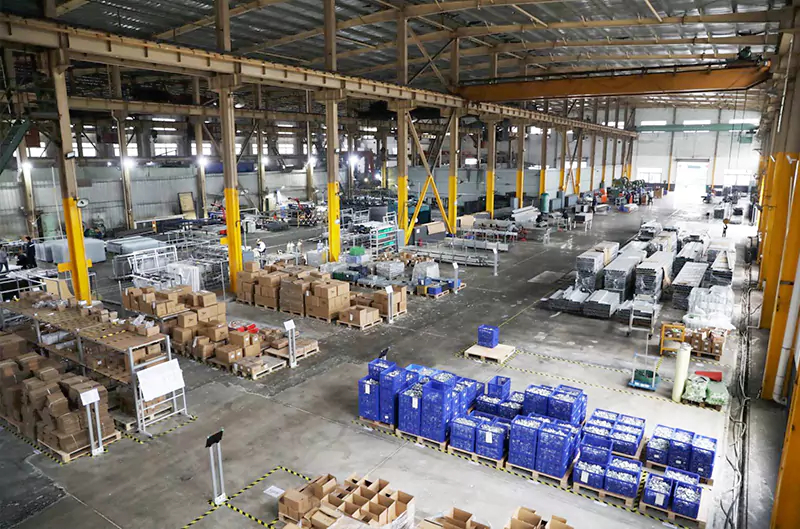
In industries ranging from manufacturing to infrastructure, standard grating solutions often fall short when faced with unique operational challenges. Custom design solutions step in to address these gaps, offering tailored grating that aligns precisely with specific industrial requirements. By collaborating closely with clients, engineers assess factors like load capacity, corrosion resistance, and safety standards to create designs that enhance efficiency and durability. This approach ensures that every installation not only meets but exceeds expectations, reducing downtime and maintenance costs in the long run.
Unlike off-the-shelf options, custom grating can incorporate advanced materials and innovative patterns to suit unconventional environments. For instance, in chemical plants where corrosive substances are prevalent, specialized coatings or alloy compositions can be integrated to prolong lifespan and maintain structural integrity. These bespoke solutions allow for flexibility in design, enabling features such as non-slip surfaces, custom openings for equipment access, or integration with existing systems, thereby boosting productivity and safety without compromising on functionality.
The value of tailoring grating extends beyond mere customization; it fosters innovation by pushing the boundaries of traditional applications. Clients benefit from solutions that are not only practical but also forward-thinking, adapting to evolving industry trends and regulatory demands. By focusing on unique industrial needs, custom design solutions deliver a competitive edge, ensuring that facilities operate smoothly and sustainably in an ever-changing landscape.
Easy Installation Tips: Streamlining Your Project Setup for Maximum Efficiency
Kickstart your project with a bang by embracing automation tools that take the grunt work out of installation. Tools like Docker and package managers can bundle dependencies in a snap, letting you bypass tedious manual steps and dive straight into coding. This approach not only speeds things up but also reduces errors, making your setup more reliable from day one. It's like having a personal assistant handle the boring stuff so you can focus on what truly matters—building something awesome.
Don't overlook the power of a well-organized configuration file to keep your setup clean and adaptable. By centralizing settings in a single spot, you make it easy to tweak parameters on the fly without digging through code. This isn't just about tidiness; it's a game-changer for team collaborations and future updates, ensuring everyone stays on the same page and changes roll out smoothly. Think of it as laying down clear tracks for your project's journey, preventing detours and keeping everyone moving forward efficiently.
For an extra edge, consider integrating version control right from the start to track every tweak and streamline rollbacks. Pair this with a robust testing suite that runs automatically upon setup, so you catch issues early and maintain a polished foundation. This combo transforms installation from a chore into a strategic advantage, setting you up for long-term success without the usual headaches.
Safety First: Key Features That Reduce Workplace Hazards and Improve Compliance
Implementing proactive safety measures goes beyond mere compliance; it actively transforms workplace environments by minimizing risks before they escalate into incidents. For instance, introducing real-time monitoring systems allows teams to detect potential hazards, such as gas leaks or equipment malfunctions, immediately. This not only prevents accidents but also fosters a culture of vigilance where every employee feels empowered to report concerns, ensuring that safety protocols are consistently upheld and tailored to specific operational needs.
Beyond traditional checklists, integrating ergonomic designs and automated safety shutoffs can significantly reduce physical strain and prevent injuries. By customizing these features to the unique demands of different industries—like manufacturing or construction—businesses can address common pitfalls, such as repetitive motion disorders or falls. This approach not only enhances worker well-being but also streamlines compliance with evolving regulations, making audits smoother and more straightforward.
To truly stand out, leveraging advanced analytics to predict safety trends offers a competitive edge. By analyzing incident data and near-misses, companies can identify patterns and implement targeted training programs that address root causes. This proactive strategy not only reduces downtime and insurance costs but also boosts morale, as employees see their safety prioritized in tangible ways, leading to higher productivity and retention rates in the long run.
Cost-Effectiveness Explained: Long-Term Savings Compared to Traditional Materials
When you choose modern materials over traditional ones, you're not just paying for the initial purchase—you're investing in years of reduced maintenance and lower operational costs. While conventional materials might seem cheaper upfront, they often require frequent repairs or replacements, leading to hidden expenses that add up over time. In contrast, advanced materials offer superior durability and resistance to wear, meaning you'll spend less on upkeep and more on what matters.
Consider how these materials perform under stress; for instance, in construction or manufacturing, traditional options like wood or basic metals can degrade faster, necessitating costly interventions. On the other hand, innovative alternatives, such as composites or engineered polymers, maintain their integrity for decades, slashing long-term spending by minimizing downtime and replacement cycles. This efficiency translates directly into savings that outpace the initial investment, making it a smart financial move.
Beyond direct costs, think about the broader impact on your budget. Traditional materials may incur higher energy bills due to poor insulation or require more resources for upkeep. By opting for cost-effective solutions, you not only cut immediate expenses but also enhance sustainability and operational smoothness, delivering value that grows with each passing year.
Real-World Applications: Case Studies Showcasing Superior Performance in Various Industries
In the healthcare sector, real-world case studies highlight transformative impacts through advanced data analytics and AI-driven diagnostics. For instance, a major hospital network implemented a machine learning system to predict patient readmission risks, reducing rates by 15% within six months. This approach not only improved patient outcomes but also optimized resource allocation, demonstrating how tailored applications can lead to measurable efficiency gains and cost savings in high-stakes environments.
Manufacturing industries have similarly benefited from performance enhancements, as seen in an automotive company's adoption of IoT sensors and predictive maintenance. By monitoring equipment in real-time, they slashed downtime by 25% and boosted production output. What sets this case apart is its holistic integration across supply chains, fostering a proactive culture rather than reactive fixes, which competitors often overlook. This shift has redefined operational benchmarks, making it a standout example of sustainable innovation.
Financial services have also leveraged these tools to stay ahead, with a retail bank using AI for fraud detection and personalized customer insights. This resulted in a 30% decrease in false positives and a 20% increase in client engagement, showcasing superior performance through nuanced algorithms that adapt to evolving threats. Unlike generic solutions, this case emphasizes human-AI collaboration, blending technology with expert judgment to create a resilient, customer-centric model that resonates across diverse markets.
FAQ
Fiberglass grating offers high strength-to-weight ratio, corrosion resistance, and non-conductive properties, making it ideal for harsh environments like chemical plants or electrical facilities.
Consider factors like load requirements, chemical exposure, and safety needs. Many factories provide custom sizing and resin options; consulting their engineering team ensures a perfect fit.
Yes, it's UV-stable and weather-resistant, suitable for outdoor use such as walkways or platforms without rusting or degrading like metal alternatives.
It requires minimal upkeep—no painting or anti-corrosion treatments. Occasional cleaning with mild detergent suffices, reducing long-term costs.
Absolutely. Its slip-resistant surface and electrical insulation enhance worker safety, especially in wet or high-voltage areas, preventing accidents.
While initial costs might be higher, its durability and low maintenance lead to savings in replacement and upkeep, making it cost-effective in the long run.
Conclusion
Fiberglass grating stands out as a premier choice for industrial applications, offering unmatched durability that excels in harsh environments. Unlike traditional materials, it resists corrosion, chemicals, and moisture, ensuring long-term performance with minimal maintenance. Custom design solutions further enhance its value, allowing for precise tailoring to unique industrial needs, whether in complex layouts or specific load requirements. This adaptability makes fiberglass grating a versatile asset across diverse settings. Moreover, easy installation tips streamline project setup, boosting efficiency and reducing downtime. Safety-first features, such as slip-resistant surfaces and fire-retardant properties, significantly reduce workplace hazards and improve compliance with regulations. In terms of cost-effectiveness, fiberglass grating delivers substantial long-term savings by outperforming metals and other materials in durability and lifespan, minimizing replacement costs.
Real-world applications across various industries demonstrate its superior performance. Case studies highlight successful implementations in chemical plants, offshore platforms, and wastewater treatment facilities, where fiberglass grating thrives under extreme conditions. These examples showcase not only its functional benefits but also its role in enhancing operational safety and efficiency. By integrating these aspects—from durability and customization to safety and cost savings—fiberglass grating emerges as a comprehensive guide for factories seeking reliable, high-performance solutions. Its ability to meet specific industrial demands while ensuring compliance and efficiency makes it an indispensable component in modern industrial applications, driving excellence in both design and practical use.
Contact Us
Contact Person: Nancy
Email: [email protected]
Tel/WhatsApp: +86-13365923720
Website: https://www.topfencesolar.com/