

Filter Press Services: Streamlining Solid-Liquid Separation for Industrial Efficiency
2026-07-29
In industries where solid-liquid separation is critical, slow processes and inconsistent results can grind productivity to a halt. That's where specialized filter press services step in, transforming a complex challenge into a seamless operation. Imagine cutting downtime, sharpening precision, and boosting throughput without overhauling your entire setup. It's not just equipment—it's the expertise behind it that makes the difference. At Sinou, we've seen firsthand how tailored solutions turn filtration bottlenecks into efficiency gains. Ready to rethink what your separation process could achieve?
Rethinking Solid-Liquid Separation: The Role of Modern Filter Presses
For decades, filter presses have been the workhorses of solid-liquid separation, but their reputation for being slow, labor-intensive, and inconsistent is fading fast. The latest generation of machines has traded manual plate shifting and cloth scraping for fully automated systems that can process thicker cakes, cut cycle times by half, and operate with minimal oversight. This isn't just an incremental upgrade — it's a fundamental rethinking of how dewatering fits into production lines, triggered by advances in sensor integration and real-time pressure control.
What's often overlooked is how modern membrane filter presses redefine cake dryness without sacrificing throughput. By squeezing the cake with a flexible diaphragm after initial filtration, they wring out moisture that mechanical compression alone would leave behind. The result is a crumbly, almost dry material that slashes transportation costs and eliminates thermal drying steps for many applications. Mining operations, for instance, are now turning waste tailings into stackable, stable fills, while food producers recover valuable solids that used to go down the drain.
The shift isn't just about hardware — it's changing plant layouts and process philosophy. Compact, skid-mounted filter presses with Internet-based monitoring allow distributed dewatering at multiple points rather than a single, centralized bottleneck. Chemical processors pair them with upstream flocculant dosing that's tuned on-the-fly, and municipal wastewater plants use them to reduce sludge volume without relying on energy-intensive centrifuges. The conversation has moved from "does it work?" to "how elegantly can it integrate and adapt?"
From Slurry to Clarity: How Filter Press Services Redefine Efficiency
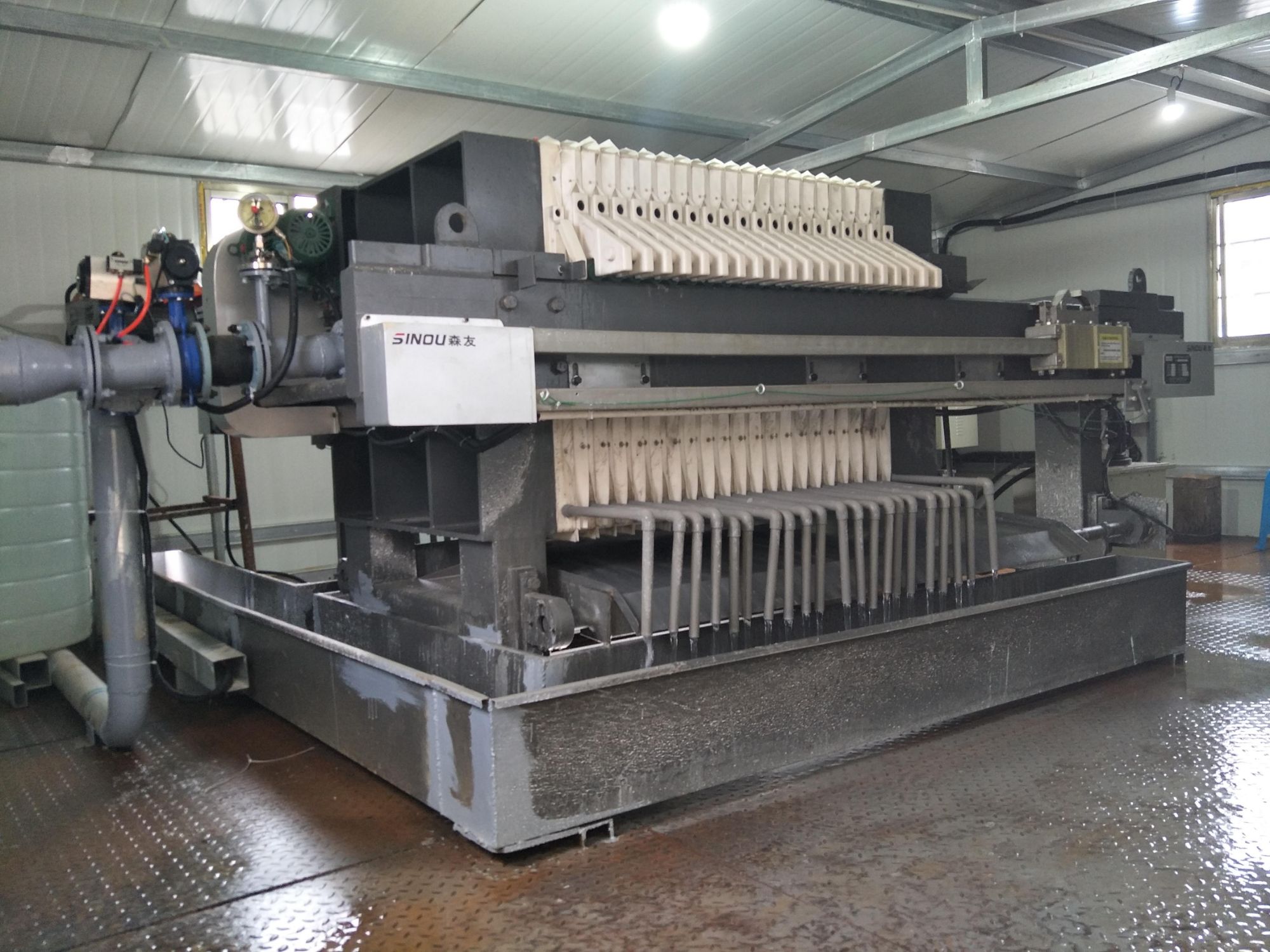
In industries where liquid-solid separation sits at the heart of production, the transformation from murky slurry to crystal-clear output can feel like chasing a moving target. Traditional approaches often mean juggling inconsistent cake dryness, fluctuating throughput, and maintenance headaches that eat into both time and budgets. Filter press services step into this chaos by turning a batch process into a streamlined operation, where every cycle is tuned for peak clarity without sacrificing speed. It’s not just about squeezing out moisture—it’s about reimagining the entire workflow so that what used to be a bottleneck becomes a competitive edge.
What truly sets modern filter press services apart is the shift from reactive fixes to proactive intelligence. Instead of waiting for blinding cloths or pressure spikes, specialists embed real-time analytics that read the pulse of your specific slurry—its viscosity, particle distribution, even how it changes with ambient conditions. This means adjustments happen before problems arise, keeping plate stacks running at optimal pressure for days or weeks without manual tweaking. The result isn’t just drier cakes; it’s a plant floor where operators stop babysitting equipment and start leveraging data to cut chemical consumption and energy use, often by double-digit percentages.
Behind every efficient system is a quiet revolution in the way these services handle lifecycles. Rather than simply swapping out plates on a calendar schedule, condition-based monitoring extends asset life and slashes unplanned downtime. A service team that understands your process can redesign feed pumping stages or tailor cloth porosity so that even the stickiest sludges release cleanly. The payoff is layered: water recovery rates climb, disposal volumes shrink, and the clarity of the filtrate consistently meets tightening environmental standards. It’s a quiet, methodical redesign of efficiency that turns a grimy separation step into a showcase of precision.
Beyond Basic Filtration: Custom Solutions for Complex Industrial Needs
When standard off-the-shelf filters fall short, the real work begins. Every production environment carries its own fingerprint—unique pressures, temperatures, chemical mixes, and particulate loads that demand more than a generic answer. We step in where catalogs end, engineering filtration systems that align precisely with the rhythm and risks of a specific operation. This isn't about offering a slightly modified version of a stock product; it's about building from the ground up around your process constraints, whether that means exotic alloys for corrosive fluids, multi-layer depth media for variable particle sizes, or compact geometries for retrofitting tight spaces.
The difference unfolds in the details that never appear on a standard datasheet. Imagine a food-grade separator that not only meets 3-A sanitary standards but also handles the thermal shock of a daily steam purge without warping—that's the level of customization we're talking about. Or consider a hydraulic return-line filter designed with a bypass signal integrated directly into a plant's legacy SCADA system, predicting element change-outs based on actual pressure decay curves rather than calendar dates. These aren't add-on features; they're born from a deep collaboration with your engineering team, often involving on-site flow visualization, material compatibility tests with actual process fluids, and accelerated life testing that mimics your startup cycles.
What emerges is something a catalog can't provide: a filtration asset that becomes a seamless part of your process, not just a consumable stuck in a housing. We've developed nanofiber coalescers for a refinery that pushed diesel yield past spec by recovering tramp amines from their stripping column, and built a self-cleaning intake screen for a hydroelectric station that copes with seasonal algae blooms without ever lifting a blade out of the water. These solutions rarely make headlines, but they quietly boost uptime, extend fluid life, and cut disposal costs in corners of industry where generic filtration simply leaves money on the table.
Cutting Costs, Not Corners: The Financial Logic of Advanced Filter Presses
When industrial operations face tightening budgets, the instinct is often to defer equipment upgrades. But with advanced filter presses, that hesitation can backfire. Modern designs slash energy use by up to 40% compared to older models, while their high-pressure cycles squeeze out more liquid, yielding drier cakes that cost far less to transport or dispose of. The payback isn’t just theoretical—facilities routinely see a full return on investment in under two years, turning a capital expense into a long-term engine of savings.
Maintenance is another line item where these machines rewrite the rulebook. Automatic cloth washing, self-adjusting hydraulics, and real-time wear sensors cut routine service interruptions by half. Instead of chasing breakdowns, teams can refocus on process refinement, knowing that the press alerts them before a minor issue becomes a budget-wrecking failure. The result is higher uptime and a parts inventory that doesn’t need to be overstocked for emergencies.
The real edge, though, comes from consistency. Advanced filtration controllers keep cycle parameters within tight tolerances, eliminating the “bad batch” waste that plagues manual operations. Every press cycle delivers repeatable moisture content and solids capture, so downstream processes—whether incineration, landfilling, or resource recovery—run at peak efficiency. Over months of operation, this precision quietly erases the hidden costs that nibble away at margins, proving that smart investment isn’t about spending more—it’s about spending where it counts.
Sustainability in Action: Reducing Waste Through Precision Dewatering
In many industrial operations, waste streams saturated with water create a hidden environmental toll. Transporting and disposing of this excess moisture not only drives up costs but also squanders a resource that could be reclaimed. Precision dewatering steps in as a quiet revolution—by mechanically squeezing, spinning, or pressing sludge to strip away water with remarkable efficiency, we can shrink waste volumes by half or more before it ever leaves the facility.
The real magic lies in how this approach reimagines waste not as an endpoint but as a detour. Advanced centrifuges and membrane filter presses now dial in the exact dryness needed for downstream reuse: mineral-rich filtrate can be cycled back into production, while dewatered solids become feedstock for cement or fertilizers instead of fuelling landfill methane. A paper mill in Finland, for instance, slashed its disposal trips by 70% simply by fine-tuning the pressure curves on its screw presses—turning a cost center into a closed-loop win.
What makes this shift genuinely sustainable is how it scales. From small food-processing plants to sprawling wastewater treatment sites, precision dewatering cuts the carbon shadow of haulage, frees up storage, and unlocks revenue from what was once trucked away. It’s a practical, unglamorous fix that proves sustainability often starts with getting the water out.
Real-World Results: Case Studies in Filter Press Implementation
In a large-scale mining operation, the transition to automated filter presses reduced moisture content in tailings by nearly 40%, allowing for safer dry stacking and eliminating the need for tailings dams. The system consistently delivered filter cakes with less than 15% moisture, cutting water consumption by over 200,000 cubic meters annually. Operators reported fewer maintenance interruptions and a noticeable improvement in cycle times, with some cycles reduced from 18 to 11 minutes. This shift not only improved environmental compliance but also lowered long-term liability by reducing the risks associated with wet tailings storage.
A chemical plant in Germany integrated membrane filter presses to dewater titanium dioxide slurry. Previously, the plant relied on rotary vacuum filters that yielded cakes with about 40% moisture, causing high energy costs in downstream drying. After installation, the filter press delivered cakes with moisture content below 25%, slashing natural gas usage in dryers by a third. The project paid for itself within two years through energy savings alone. Moreover, the fully enclosed design minimized worker exposure to hazardous dust, aligning with stricter workplace safety standards.
A municipal wastewater treatment facility in the southern United States replaced a belt filter press with a recessed chamber filter press to handle increased sludge volumes from population growth. The new system raised solids capture to over 99%, producing a spadeable cake that cut hauling costs in half. The facility was able to repurpose the dewatered sludge as a Class A biosolid for agricultural land application, turning a disposal problem into a revenue stream. At the same time, polymer consumption dropped by 25%, reducing operating expenses and the plant’s chemical footprint.
FAQ
A comprehensive filter press service goes beyond the initial purchase by handling everything from site surveys and process analysis to custom system design, installation, commissioning, and ongoing maintenance. This ensures the equipment perfectly matches your slurry characteristics and throughput goals, rather than just delivering a one-size-fits-all unit.
Optimizing the separation process can dramatically lower operating expenses by maximizing cake dryness, which cuts transportation and disposal fees, and by reducing chemical consumption through precise dosing. Improved cycle times also boost throughput, allowing you to process more material with the same energy footprint and labor costs.
Warning signs include rising moisture content in the filter cake despite unchanged operations, increasing cycle times, frequent cloth blinding or damage, unexplained pressure spikes, and deteriorating filtrate clarity. An expert audit can pinpoint whether the issue is mechanical wear, incorrect media selection, or process parameter drift.
Filter cloth is the primary separation interface, and using the wrong material or weave leads to poor cake release, excessive cloth wear, or inadequate retention. A professional service evaluates particle size, chemical compatibility, and compressibility to specify a cloth that maximizes flow, cake dryness, and lifespan, directly impacting overall equipment performance.
Automation transforms filter presses from manual, labor-intensive devices into highly efficient, self-optimizing systems. Modern setups use PLCs and sensors to control feed pressure, squeezing stages, and cloth washing sequences autonomously, ensuring consistent cycles, reducing operator error, and allowing remote monitoring and predictive maintenance alerts.
A detailed evaluation comparing the costs and benefits is essential. Retrofitting with updated hydraulics, plate shifters, or automated controls can extend life at lower capital cost if the core structure is sound. However, if throughput demands have grown significantly or the frame is corroded, a new, custom-sized system often delivers better reliability and long-term efficiency gains.
Proactive maintenance includes regular inspections of hydraulic oils and seals, routine cloth washing and integrity checks, plate surface wear monitoring, and scheduled replacement of gaskets and hoses. Partnering with a service provider for periodic audits and on-site training ensures your team catches small issues before they escalate into costly breakdowns.
Conclusion
Modern industrial processes depend heavily on effective solid-liquid separation, and filter press services have emerged as a pivotal solution in this domain. Through advanced automation and robust design, contemporary filter presses are redefining how industries handle slurry dewatering, transforming murky mixtures into clear filtrates with remarkable consistency. Unlike traditional methods, these systems offer tailored configurations—membrane plates, high-pressure feeds, or automated cloth washing—that address the unique viscosity, particle size, and chemical compatibility demands of sectors ranging from mining to food processing. This adaptability not only enhances throughput but also ensures that each cycle meets precise moisture targets, eliminating guesswork and manual intervention. The result is a seamless integration where operational clarity becomes the norm rather than the exception.
Beyond performance gains, the financial and environmental logic driving filter press adoption is compelling. Companies that invest in these upgrades typically see sharp reductions in hauling costs and landfill fees because the dewatered cake is lighter and easier to handle. Precision dewatering also curtails water consumption and enables recycling, aligning with stricter sustainability mandates while lowering utility expenses. Real-world implementations confirm these benefits: a chemical plant cut waste volume by 40% and a quarry reduced water usage by half, both achieving payback periods under two years. By combining economic prudence with ecological responsibility, filter press services are not just improving separation—they are reshaping the operational blueprint for resource-intensive industries.
Contact Us
Contact Person: HaiYan
Email: [email protected]
Tel/WhatsApp: +86 18957325588
Website: https://www.senyoubeton.com/