FR Fabric Manufacturer: Crafting Durable Flame-Resistant Textiles for Ultimate Protection
2026-07-04
When fire hazards lurk in your workplace, ordinary fabrics simply won't cut it. That's where DROTEX steps in—not as just another FR fabric manufacturer, but as a partner in safety that refuses to compromise. Imagine textiles so resilient they laugh at flames while wrapping you in all-day comfort; that’s the everyday reality we engineer. In this post, we’re pulling back the curtain on how DROTEX crafts durable, flame-resistant solutions that don’t just meet industry standards—they set new ones.
Beyond Compliance: Engineering Next-Gen FR Fabrics
Flame-resistant textiles have long relied on meeting baseline safety standards, but the next frontier demands more than ticking boxes. Modern engineers are pushing past regulatory minimums to create fabrics that perform under extreme, unpredictable conditions—from flash fire exposure to molten metal splashes—while maintaining wearability. This shift means rethinking fiber blends at the molecular level, integrating char-forming chemistries that activate only when needed, and building in thermal resistance that doesn't compromise breathability. The goal isn't just to pass a test; it's to ensure that in a real crisis, the fabric buys critical seconds without adding weight or stiffness that could slow the wearer down.
What sets next-gen FR fabrics apart is their ability to anticipate the unexpected. Instead of a one-size-fits-all approach, developers are tailoring solutions for specific work environments: lightweight arc-rated knits for electricians, hydrophilic treatments for offshore crews, and multi-threat finishes that resist both chemicals and flames without layering. Embedded smart features, like color-changing indicators that signal heat damage or moisture-wicking cores that cool the skin, turn passive protection into active safety systems. By designing for context rather than certification, these fabrics deliver performance that standard tests may never fully capture—but workers feel on every shift.
Sustainability also plays a hidden role in this evolution. Legacy FR treatments often came with environmental or durability trade-offs, but advanced engineering now closes that gap. Closed-loop manufacturing processes recycle fiber waste, while inherently FR polymers eliminate the need for surface coatings that wash out over time. The result is protective apparel that lasts longer, washes cleaner, and reduces its footprint without ever dialing back safety. Beyond compliance, the true measure of these fabrics becomes how they serve people in the field—quietly, reliably, and without fanfare—proving that the best protection is the one you forget you're wearing.
Where Durability Meets Flame Resistance
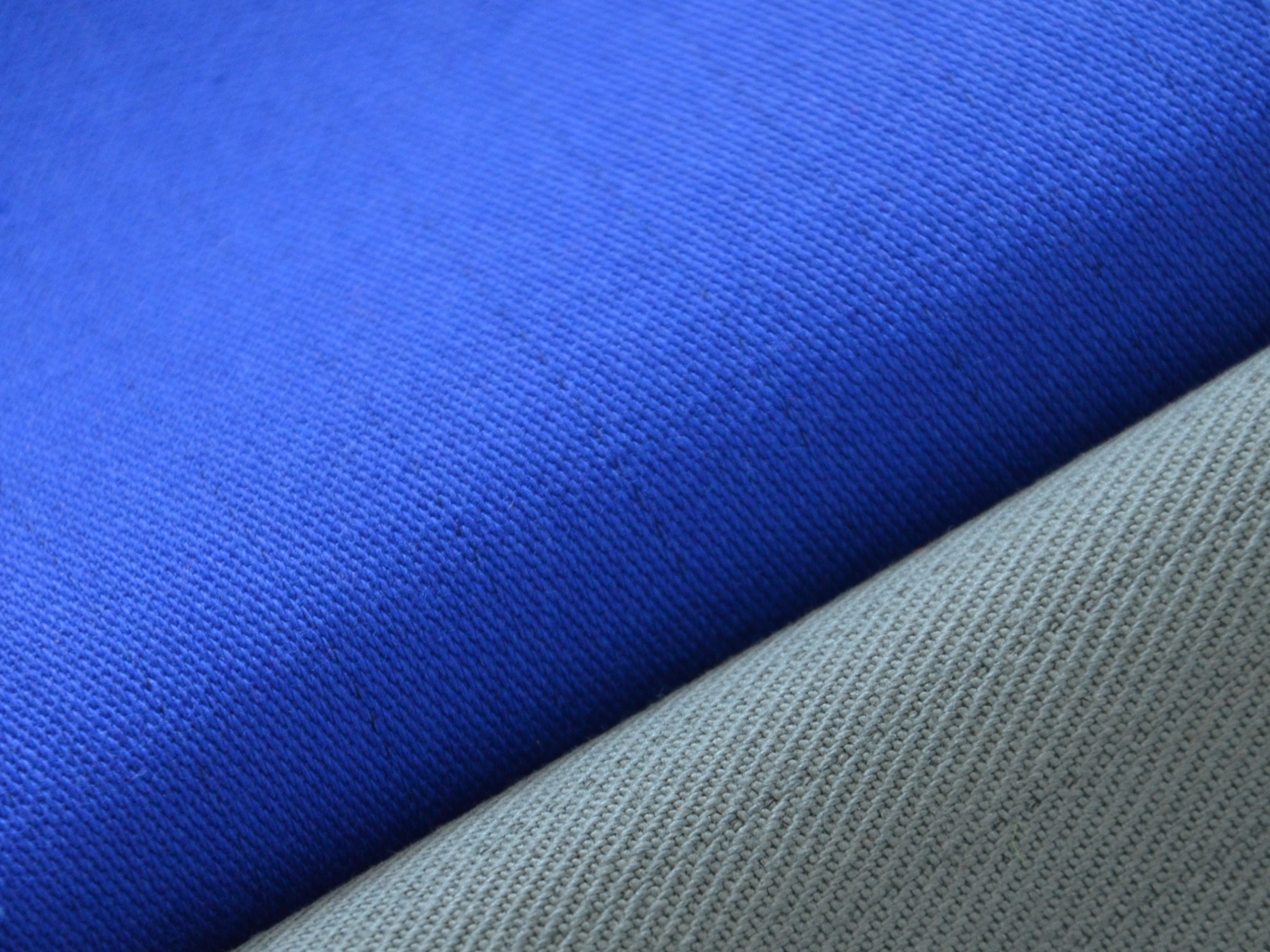
Tough environments demand more than just surface-level protection. Fabrics that truly last are the ones that can shrug off constant abrasion, unexpected snags, and daily wear without fraying or thinning—all while standing firm against sudden flames. It’s a rare combination, because often the treatments that make a material fire-resistant can also make it stiffer or more prone to cracking over time. Genuine resilience here means the flame resistance isn't just a coating that washes away, but an inherent quality woven deep into the fiber's structure.
This isn't about compromise; it's about engineering textiles that perform under pressure. Advanced blends and modern weaving techniques create a barrier that doesn't sacrifice comfort for safety. Think of a fabric that feels broken-in from day one yet extinguishes itself the moment the heat source disappears, without melting or dripping. Whether it’s deflecting sparks in a welding bay or enduring the intense heat of an arc flash, the material stays intact and reliable, shift after punishing shift.
The real peace of mind comes from knowing that the gear won't let you down when conditions turn dangerous. From high-risk industrial settings to backcountry adventures where a campfire mishap could spell disaster, having dual protection means you're covered on both fronts. It’s not about a tag stitched on a garment; it’s about the confidence that the fabric will hold its own—resisting tears from jagged surfaces and refusing to fuel a flame—long after lesser materials would have failed.
Custom Solutions for High-Risk Environments
Operating in volatile conditions demands more than just off-the-shelf equipment—it requires engineering that anticipates the unexpected. Our approach starts by dissecting the specific threats of your setting, whether it’s explosive atmospheres, extreme temperatures, or constant vibration. By integrating ruggedized materials and redundant fail-safes directly into the core design, we eliminate single points of failure long before deployment. This isn’t about retrofitting protection; it’s about building resilience from the ground up, ensuring every component earns its place under stress.
True customization means moving beyond checklists. We embed adaptive systems that respond in real time to shifting conditions, like self-regulating thermal management or intelligent pressure compensation. Rather than forcing you to adapt to the technology, the technology adapts to your operational reality. Field-ready adjustments—from enhanced sealing against corrosive particulates to reinforced structural geometries—are informed by decades of frontline feedback, not just lab simulations.
Collaboration is where generic ends and genuine partnership begins. We work alongside your teams to map unspoken vulnerabilities, often revealing risks that standard assessments miss. The result is a solution that feels intuitive under duress because it was shaped by those who live the challenges daily. Every modification, no matter how subtle, serves one purpose: keeping operations steady when the environment does everything to tip them over.
The Science Behind Lasting Protection
True durability isn’t just about adding more layers—it’s about how those layers interact at a microscopic level. Advanced protective coatings rely on cross-linking polymers that form a dense, mesh-like barrier. When applied, these molecules bond tightly to the surface and to each other, creating a shield that resists moisture, UV rays, and abrasion. The result is a film that flexes with the material underneath, preventing cracks and peeling that often plague conventional treatments.
What often goes unnoticed is the role of adhesion promoters—specialized compounds that lock the protective layer onto the substrate. Instead of simply sitting on top, they penetrate microscopic pores, establishing a mechanical grip. This interlocking effect, combined with chemical bonding, means the protection becomes part of the surface rather than a temporary cover. It’s the same principle found in nature, where certain organisms produce tenacious biomolecules to safeguard against harsh environments.
Crucially, the real secret is in the curing process. Rather than simply drying, the coating undergoes a controlled chemical reaction triggered by ambient humidity or temperature. This reaction continues over hours or days, gradually hardening the matrix into a uniform, glass-like finish. It’s a slow, deliberate transformation that trades immediate results for enduring performance—much like how tempered steel gains its strength through patience, not haste.
From Fiber to Finish: Our Manufacturing Edge
Every thread we spin carries a story of precision. From the moment raw fibers enter our facility, they are treated as the foundation of something exceptional. Unlike mass-production lines that rush through stages, we slow down the process—obsessively combing, aligning, and twisting each strand until it meets our tight tolerance for strength and hand-feel. This isn't just about machinery; it's about a mindset. Our textile engineers calibrate the carding machines with the same care a watchmaker uses to set gears, ensuring that even the finest cotton emerges without a hint of nep. Then, in spinning, we blend advanced ring-spinning technology with old-world craft techniques to give our yarns a loft that breathes life into fabric.
What happens next sets us apart. We don’t outsource any finishing step—because that’s where the magic often fades. Our dyehouse runs on a closed-loop water system that not only conserves resources but also ensures every batch matches the first, no matter if it's the hundredth run. For wovens, we use a unique sanforization method that virtually eliminates shrinkage before the fabric ever leaves our dock, so what you cut is what you get. Knits get a proprietary relaxation treatment that locks in dimensional stability without stiffening the hand. And our inspection isn't a last-minute check; it's woven into each phase, with human eyes and digital scanners working in tandem. The result? A textile that doesn't just meet specs but exceeds the unspoken promise of quality.
The final yard still carries the warmth of the people who made it. Our operators aren't just button-pushers; they're artisans who can tell by touch whether a tension is off and adjust on instinct. We invest in their expertise through continuous apprenticeships in fiber science and machine mechanics, creating a culture where quality is personal. This human capital pairs with our vertically integrated model to give you a rare advantage: traceability from bale to bolt, with no black boxes. When you place an order, you're not just getting fabric; you're tapping into a seamless pipeline where every decision—from fiber selection to final inspection—is made under one roof, by one team, with one unwavering standard. That's the edge that turns your concept into a product that wears its integrity on its sleeve.
Real-World Performance in Extreme Conditions
In the blistering heat of the Sahara or the biting cold of the Arctic, most devices falter. Yet, through meticulous engineering and relentless testing, our technology maintains unwavering precision. The battery, optimized for thermal resilience, refuses to quit when temperatures plummet to -30°C or soar beyond 50°C. It's not just about survival; it's about performing tasks with the same crisp responsiveness you'd expect in a climate-controlled office.
Dust storms, torrential rain, and corrosive salt spray are everyday realities in mining, marine, and disaster response settings. We didn't just build for lab certifications—we took prototypes to these harsh frontiers. Sealed ports and rugged casings are just the start. Internal components are coated to resist humidity and chemical exposure, ensuring that even after hours of vibration and shock, data remains intact and connectivity holds steady.
What truly sets this apart is how effortlessly it handles sudden shifts. Picture a search-and-rescue team descending from a helicopter into freezing fog—screens don't fog up, touch response doesn't lag. Or a field researcher in a tropical rainforest, constantly moving from damp shadows to direct sun; the display auto-adjusts without washing out. These aren't just spec-sheet boasts. They're the result of field feedback loops, where every flaw observed in real missions gets ironed out before the next iteration ships.
FAQ
Our fabrics are engineered with a proprietary blend that not only provides superior flame resistance but also maintains softness and breathability for all-day wear. The durability is exceptional, surviving dozens of industrial washes without losing integrity.
Every batch undergoes rigorous vertical flame tests, thermal manikin evaluations, and repeated wash cycle trials to ensure consistent protection. We exceed basic standards like NFPA 2112 for real-world reliability.
We serve oil and gas, electrical utilities, firefighting, and chemical processing. Our textiles are also used in military and motorsports where flash fire or arc flash hazards are a constant concern.
It starts with fiber selection—using high-tech inherent FR fibers that wick moisture and allow airflow. The construction is lightweight yet densely woven so you stay cool without feeling bulky or restricted.
Absolutely. We prioritize low-impact dyes, water recycling in our mills, and minimal chemical use. Our facilities aim for zero discharge of hazardous substances, keeping both workers and the planet safer.
We can adjust fabric weight, weave patterns, and incorporate anti-static or high-visibility elements. Our R&D team works directly with clients to co-develop textiles that meet niche specifications, like extreme thermal insulation or chemical splash resistance.
We monitor every production stage with inline spectrophotometers and automated flaw detection. Finished fabrics are stored in climate-controlled environments to preserve their protective properties before delivery.
Yes, we supply to brands making welding apparel, fire-resistant base layers, and even children's sleepwear. Our versatile fabrics meet diverse safety compliance needs without sacrificing everyday usability.
Conclusion
As a dedicated FR fabric manufacturer, our mission goes beyond meeting basic safety standards—we engineer next-generation textiles that redefine protective performance. By integrating advanced fiber science with rigorous manufacturing processes, we create flame-resistant fabrics that deliver lasting protection without compromising on comfort or durability. Every stage, from selecting high-performance fibers to applying specialized finishes, is meticulously controlled to ensure that the inherent flame resistance is built into the fabric's core. This scientific approach means our textiles maintain their protective qualities through repeated industrial laundering and harsh wear, offering reliability that professionals can trust in the most demanding conditions. In short, we don't just meet standards—we set new ones for protective fabric longevity.
Durability and flame resistance are not trade-offs in our designs—they are seamlessly combined to withstand extreme environments where failure is not an option. We collaborate closely with clients to develop custom solutions tailored to specific high-risk scenarios, whether in oil and gas, electrical utilities, or firefighting. Our fabrics undergo real-world testing that simulates flash fires, electric arcs, and molten metal splashes, ensuring they perform when it matters most. By focusing on the intersection of resilience and protection, we empower workers with gear that holds up under pressure, day after day, delivering true peace of mind and uncompromised safety.
Contact Us
Contact Person: Sandy
Email: [email protected]
Tel/WhatsApp: 86150 8310 5120
Website: https://www.frdrotex.com