

Harmonic Filter Excellence: Top Active Solutions from China's Leading Factory
2025-12-31
In today's industrial landscape, where power quality is paramount for efficiency and reliability, harmonic filters stand as indispensable guardians against electrical disturbances. As industries worldwide seek advanced solutions, China emerges at the forefront, offering cutting-edge technology that redefines excellence. Dive into the world of harmonic filtering with insights from GEYA, a leader in the field, as we explore top active solutions that promise to transform your power systems. Get ready to uncover innovative approaches and real-world applications that set new benchmarks in the industry.
Advanced Active Harmonic Filter Designs for Enhanced Power Quality
Cutting-edge active harmonic filters have evolved significantly, now incorporating adaptive control algorithms that dynamically adjust to fluctuating load conditions in real-time. These designs utilize high-frequency switching technologies and advanced semiconductor materials, such as silicon carbide, to achieve superior efficiency and faster response times. By precisely injecting compensating currents, they effectively mitigate harmonic distortions beyond traditional limits, ensuring a cleaner sinusoidal waveform and minimizing interference with sensitive equipment.
Recent innovations focus on modular and scalable architectures, allowing for flexible integration into existing power systems without extensive retrofitting. These designs often feature predictive analytics and IoT connectivity, enabling proactive maintenance and remote monitoring. Enhanced power quality is achieved through reduced total harmonic distortion (THD) and improved voltage stability, directly contributing to energy savings and extended equipment lifespan in industrial and commercial settings.
In practice, such advanced filters are tailored to address specific harmonic challenges, like those from variable frequency drives or renewable energy sources. Customizable configurations and user-friendly interfaces facilitate seamless operation, making them a practical choice for modern electrical grids. The result is a robust solution that not only adheres to stringent standards like IEEE 519 but also empowers users with greater control over power quality management.
Key Innovations in China's Leading Harmonic Filter Manufacturing
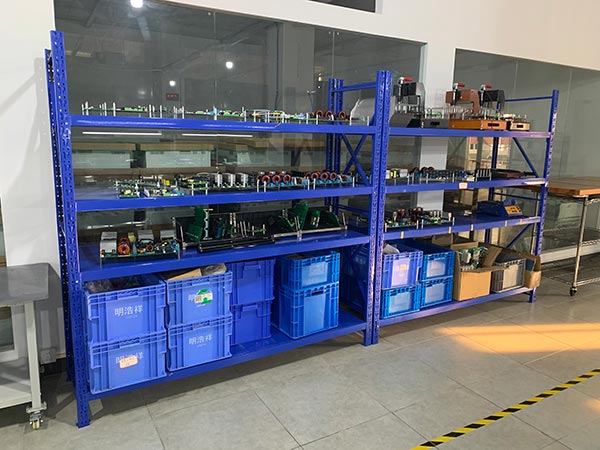
China's harmonic filter manufacturers have made significant strides by integrating advanced algorithms with real-time monitoring systems. These innovations enable dynamic adjustment of filter parameters, adapting to fluctuating harmonic loads in industrial settings. Unlike traditional static designs, this approach enhances efficiency and reduces energy losses, positioning Chinese firms at the forefront of responsive power quality solutions.
Another breakthrough lies in the use of compact, high-density materials that improve heat dissipation and durability. Manufacturers leverage proprietary alloys and modular designs to create filters that withstand harsh environments while minimizing space requirements. This focus on material science not only extends product lifespans but also supports broader infrastructure projects with limited installation areas.
Furthermore, collaborative development with renewable energy sectors has spurred innovations like hybrid filters that manage harmonics from solar and wind sources. Chinese companies prioritize interoperability, ensuring seamless integration with smart grids and IoT platforms. This holistic strategy addresses emerging challenges in sustainable energy, making their solutions versatile for global markets.
Cutting-Edge Applications of Active Harmonic Filters Across Industries
In today's fast-paced industrial landscape, active harmonic filters have become indispensable tools for maintaining power quality and efficiency. These advanced devices dynamically mitigate harmonic distortions, which are often caused by non-linear loads like variable frequency drives and LED lighting systems. By continuously monitoring the electrical network and injecting counteracting currents, they ensure smoother operation of sensitive equipment, reduce overheating in transformers and cables, and help companies comply with stringent regulatory standards. This proactive approach not only enhances reliability but also translates into significant energy savings and extended asset lifespans across various sectors.
One standout application is in data centers, where uninterrupted power is critical for server stability and data integrity. Active harmonic filters address harmonics generated by IT equipment and UPS systems, preventing disruptions and minimizing downtime risks. Similarly, in renewable energy installations such as solar farms, they play a key role in integrating inverters into the grid smoothly, optimizing power flow and supporting sustainable energy goals. Beyond traditional industries, emerging fields like electric vehicle charging stations also benefit, as these filters manage harmonic interference from fast chargers, ensuring safe and efficient charging experiences while protecting the broader electrical infrastructure.
Looking ahead, innovations in smart grid technologies and IoT integration are expanding the capabilities of active harmonic filters. They now offer features like remote monitoring and predictive maintenance, allowing industries to anticipate issues before they escalate. For instance, in manufacturing plants, this means real-time adjustments to production lines based on power quality data, boosting overall productivity. By staying ahead of harmonic challenges with these cutting-edge solutions, businesses across sectors—from healthcare to telecommunications—can achieve a competitive edge through enhanced operational resilience and cost-effectiveness.
Comparative Benefits of Modern Active Filters Over Traditional Solutions
Modern active filters have transformed signal processing by offering dynamic control and adaptability that traditional passive filters simply can't match. Unlike their counterparts, which rely on fixed components like inductors and capacitors, active filters incorporate operational amplifiers and digital circuits to adjust parameters in real-time, allowing for precise tuning across various frequencies. This flexibility makes them ideal for applications in telecommunications, audio engineering, and biomedical devices, where signal quality can vary and require on-the-fly adjustments.
Another key advantage is the reduced size and weight of active filters, as they often don't need bulky elements like large inductors. This compact design not only saves space in electronic systems but also enhances portability for mobile and wearable technologies. Additionally, these filters provide better noise rejection and improved stability, minimizing interference and ensuring clearer outputs in noisy environments, which is a common challenge in fields such as industrial automation and wireless communication.
Looking at performance, modern active filters excel in versatility, supporting advanced features like adaptive filtering and programmable cutoff frequencies. This allows engineers to customize solutions for specific needs without redesigning entire circuits, leading to cost savings and faster deployment. In contrast, traditional methods may require manual recalibration or component swaps, making them less efficient in rapidly evolving industries. Overall, the shift towards active filtering reflects a broader trend toward smarter, more responsive electronic systems.
Expert Insights into Installation and Maintenance Best Practices
Drawing from years of hands-on experience in the field, professionals emphasize the importance of starting any installation with a thorough site assessment. This goes beyond just checking measurements; it involves understanding environmental factors, potential hazards, and long-term usage patterns. Often overlooked, this initial step can prevent costly mistakes down the line and ensure a smoother maintenance process. For instance, in industrial settings, considering vibration or temperature fluctuations during installation can significantly reduce wear and tear, making routine upkeep less intensive.
When it comes to maintenance, experts recommend adopting a proactive rather than reactive approach. This means scheduling regular inspections based on actual usage data rather than fixed time intervals. By monitoring performance metrics and wear indicators early on, teams can address issues before they escalate into major failures. In some sectors, like telecommunications or manufacturing, predictive maintenance tools have proven invaluable, allowing for real-time adjustments that extend equipment lifespan without disrupting operations.
Another key insight revolves around documentation and training. Skilled technicians stress that keeping detailed records of every installation and maintenance activity isn't just bureaucratic—it's a practical tool for troubleshooting and improving future projects. Pairing this with ongoing training ensures that teams stay updated on new techniques and safety protocols, fostering a culture of continuous improvement. For example, in renewable energy installations, well-documented maintenance logs help optimize energy output and compliance with evolving regulations.
Future Trends in Harmonic Filter Technology and Global Market Impact
Looking ahead, harmonic filter technology is set to evolve beyond traditional passive and active solutions, with a shift toward smart, adaptive systems that can dynamically respond to real-time power quality issues. Innovations like AI-driven predictive maintenance and IoT integration are enabling filters to not only mitigate harmonics but also optimize energy efficiency and prevent equipment failures proactively. This trend is particularly crucial as industries increasingly rely on sensitive electronics and renewable energy sources, which introduce complex harmonic distortions into grids.
Another emerging trend is the rise of modular and scalable filter designs, which allow for easier customization and installation across diverse applications, from data centers to manufacturing plants. These flexible solutions reduce both initial costs and long-term maintenance, making harmonic mitigation more accessible to small and medium enterprises. As global regulations tighten around power quality standards, such developments are poised to drive widespread adoption, fostering a more resilient electrical infrastructure worldwide.
The global market impact of these advancements is significant, with projections indicating steady growth as sectors like electric vehicles, smart grids, and industrial automation expand. Regions with rapid industrialization, such as Asia-Pacific, are expected to lead in demand, driven by investments in infrastructure and renewable energy projects. This growth not only boosts technological innovation but also enhances economic stability by reducing energy waste and improving system reliability, ultimately supporting sustainable development goals on a global scale.
FAQ
Harmonic Filter Excellence is a premier active harmonic filter solution manufactured by China's leading factory, designed to mitigate power quality issues by effectively eliminating harmonic distortions in electrical systems.
Unlike passive filters, this active solution dynamically adapts to varying harmonic loads, offering real-time correction with higher efficiency, reduced footprint, and lower maintenance needs, making it ideal for modern industrial applications.
Key features include high-efficiency harmonic elimination up to 95%, compact modular design for easy installation, user-friendly interface for monitoring, and robust construction ensuring long-term reliability in harsh environments.
Industries such as manufacturing, data centers, healthcare, and renewable energy sectors benefit significantly, as they often face power quality challenges that can lead to equipment damage and increased operational costs.
The factory employs rigorous testing protocols, including third-party certifications and real-world simulations, to guarantee performance, safety, and compliance with international standards like IEC and IEEE.
Yes, the factory offers tailored solutions, allowing customers to customize parameters such as voltage ratings, current capacity, and communication protocols to seamlessly integrate with existing systems.
Customers receive comprehensive support, including installation guidance, technical training, and ongoing maintenance services, ensuring optimal performance and quick resolution of any issues.
Conclusion
China's leading factory has established itself at the forefront of harmonic filter excellence by developing advanced active harmonic filter designs that significantly enhance power quality. These cutting-edge solutions incorporate key innovations in manufacturing, setting new standards for reliability and efficiency. By moving beyond traditional passive filters, modern active filters offer superior performance, with precise harmonic cancellation that adapts dynamically to load changes. This technological leap ensures cleaner power, reduces energy losses, and minimizes equipment damage, making them indispensable in today's power-intensive environments.
The impact of these top active solutions extends across various industries, from manufacturing to data centers, where they support critical operations. Expert insights into installation and maintenance best practices ensure seamless integration and long-term reliability, while minimal upkeep requirements lower overall costs. Looking ahead, future trends point toward smarter, more integrated systems with enhanced connectivity and AI-driven optimization. As global demand for high-quality power grows, China's leadership in this field is poised to shape the market, driving innovation and setting benchmarks for harmonic filter technology worldwide.
Contact Us
Contact Person: Leo
Email: [email protected]
Tel/WhatsApp: +86-13567770207
Website: https://www.geyapower.com/