

Import High Temperature Reactor Heaters: Your Complete Guide to Global Sourcing
2026-07-21
Sourcing high temperature reactor heaters on a global scale comes with its own set of challenges—from strict technical specs to navigating supply chain complexities. Whether you're upgrading existing systems or launching a new project, finding a reliable partner can make all the difference. This guide breaks down everything you need to know, with insights from industry leaders like Shenzhou Chemical Industry, whose advanced heating solutions are trusted by manufacturers worldwide. Ready to simplify your procurement journey? Let's dive in.
Why High Temperature Reactor Heaters Aren’t a One-Size-Fits-All Deal
When you start delving into the world of high temperature reactor heaters, it quickly becomes apparent that a generic solution rarely cuts it. These aren’t your run-of-the-mill heating elements you’d find in a household appliance; they operate under extreme conditions where precision, material compatibility, and thermal dynamics are absolutely critical. The specific chemical reaction, the required temperature uniformity, and even the geometry of the reactor vessel all dictate a purpose-built design. Overlooking these factors can lead to inefficient processing, compromised product quality, or worse, serious safety hazards.
Material selection alone is a maze of trade-offs. A heater that excels in an inert atmosphere might corrode rapidly when exposed to reducing gases, while an alloy perfect for high watt densities could prove too brittle for thermal cycling. Engineers often need to balance properties like maximum operating temperature, resistance to chemical attack, and mechanical strength, which means the optimal choice is entirely context-dependent. Adding to the complexity, the method of heat transfer—whether radiant, convective, or conductive—must be tailored to the process, influencing everything from sheath material to element configuration.
Beyond the technical specifics, economic and operational realities further shatter the myth of a universal heater design. Retrofitting an existing system, adhering to regional electrical standards, or meeting cleanroom classifications often forces a custom approach. Even maintenance considerations play a role: a heater that’s easy to replace in one setup might be virtually inaccessible in another. Smart buyers soon learn that the real value lies not in a catalog part, but in a collaborative design process that addresses the unique constraints and goals of their reactor environment.
The Supplier Landscape: Beyond the Big Names
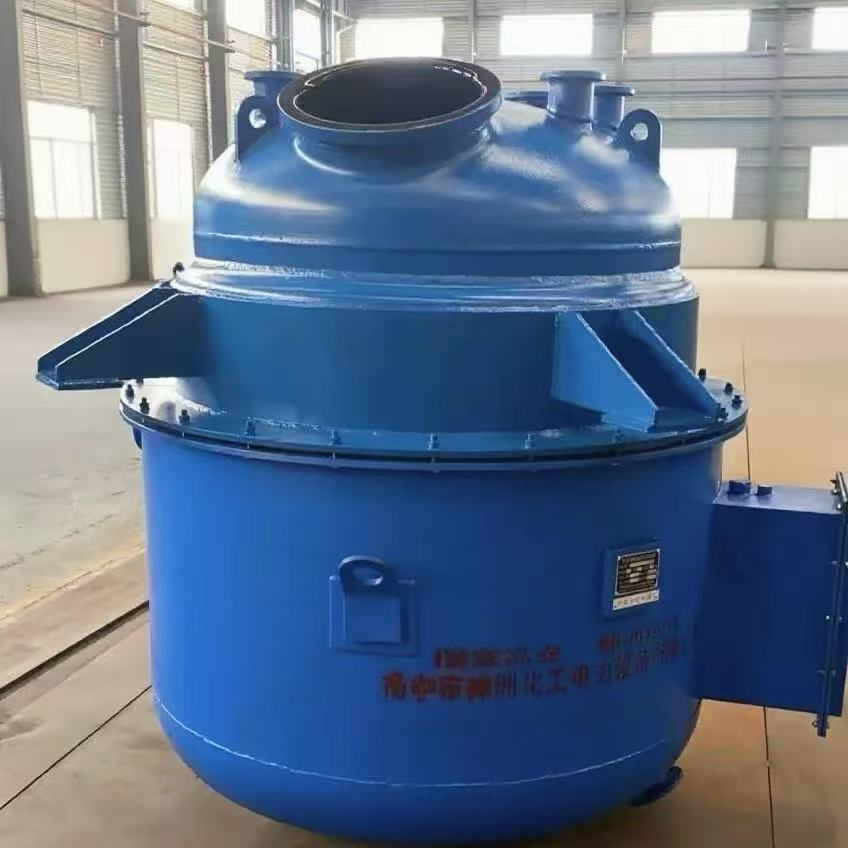
When most people think of industry suppliers, the familiar giants immediately spring to mind—those with decades of brand recognition and sprawling global footprints. But focusing solely on these market leaders means overlooking a vibrant ecosystem of mid-tier and niche suppliers that often deliver more tailored solutions, greater flexibility, and a level of service that the mega-suppliers struggle to match. These lesser-known partners can be the hidden gems that transform a supply chain from functional to exceptional.
Mid-sized suppliers frequently occupy a sweet spot: large enough to provide reliability and scalability, yet small enough to prioritize individual client relationships. They tend to invest heavily in specialized technologies or regional expertise, offering innovations that the big players may overlook because they're busy serving massive, standardized contracts. This specialization can lead to breakthroughs in efficiency, cost savings, and even product quality, making them invaluable for companies seeking a competitive edge.
The real opportunity lies in building a diversified supplier portfolio that balances the stability of established brands with the agility and inventiveness of emerging or niche providers. This approach not only reduces dependency on a single source but also fosters a collaborative network where fresh ideas can circulate. By looking beyond the big names, procurement teams can discover partners who are genuinely invested in mutual growth and long-term innovation, turning the supply chain into a strategic asset rather than just a cost center.
Decoding Certification Hurdles and Compliance Must-Haves
Navigating the certification landscape often feels like untangling a knot of shifting requirements and opaque processes. Each industry layer—whether it's medical device approvals, data privacy frameworks, or environmental standards—introduces its own set of roadblocks. Teams frequently stumble when interpreting ambiguous guidelines that leave too much room for error, turning a straightforward submission into a drawn-out ordeal. The real friction usually sits not in the lack of will, but in misaligned documentation, poorly timed audits, or gaps between internal practices and external expectations. Recognizing where these snags typically occur is the first move toward reclaiming momentum.
Compliance must-haves extend beyond checking boxes; they demand a living system that breathes with the regulatory body's pulse. Successful organizations shift from reactive scrambles to embedded readiness. That means weaving compliance checkpoints into product development cycles long before a deadline looms. It also calls for transparent communication channels so that legal, engineering, and quality teams speak the same language when it matters most. A culture that treats mandatory steps as an integrated craft—rather than a permission slip—tends to clear hurdles with less friction and fewer surprises.
Distilling compliance essentials calls for a discerning eye on which mandates genuinely apply and which are often misapplied as best practice. Overloading a framework with unnecessary controls can smother agility without adding value. Savvy teams curate their compliance library to match real risks, not hypothetical ones, and maintain flexibility for updates that roll out mid-cycle. This lean-but-thorough approach not only saves time but also earns regulator trust, as it reflects a mature grasp of the intent behind the rules. In the end, clearing certification hurdles hinges less on exhaustive documentation and more on actionable proof of ongoing commitment.
Where Cheap Becomes Expensive: Total Cost Pitfalls
A tempting price tag can easily blind us to what really matters over time. That bargain gadget might work fine for a few months, but when it starts glitching or breaking down, the repair costs pile up fast. Before you know it, you’ve spent more on fixes and replacements than you would have on a reliable, slightly pricier model that lasts for years.
Services work the same way. A suspiciously low quote usually means corners were cut—cheap materials, rushed labor, or missed details. You end up paying again to undo the damage or redo the job properly, and the total bill often soars past a fair initial estimate. Skimping upfront frequently backfires, making the “cheap” choice the most expensive one in the end.
Shipping Without the Surprises: Logistics Unpacked
Ever tracked a package that seemed to vanish into thin air, only to reappear days later with a cryptic status update? It’s the kind of frustration that makes you wonder what actually goes on behind the warehouse doors. The truth is, most logistical hiccups aren’t mysteries to the people moving millions of parcels daily — they’re just the result of layers most customers never see. When we pull back the curtain, it’s less about magic and more about the quiet orchestration of people, timing, and a bit of clever problem-solving.
Real logistics isn’t a straight line from A to B. It’s a web of choices: which carrier can handle a sudden spike, how weather reroutes a shipment silently, or why that “overnight” promise depends on a sorting center that runs like a small city. The unglamorous side is where the real craft lives — a driver re-sequencing drops on the fly, a warehouse team recalibrating because a label was smudged. These aren’t failures; they’re the hidden pivots that keep things moving without you ever noticing.
So how do the best operations iron out the wrinkles before you even sense a delay? It’s rarely a tech overhaul — often it’s simpler: listening to the people on the ground, designing processes that breathe, and knowing when a human nudge beats an automated alert. The goal isn’t just tracking numbers on a screen; it’s making sure the box on your porch arrives like it was never in doubt. That kind of transparency doesn’t come from a dashboard. It comes from respecting the chaos and building systems graceful enough to absorb it.
After the Sale: What Your Supplier Won’t Tell You
You’ve signed the contract, the initial shipment arrived on time, and everything looked perfect. But then the quiet problems start. The supplier you worked so hard to vet suddenly becomes less responsive—emails go unanswered for days, minor disputes over quality creep in, and suddenly you realize the real relationship begins only after the ink dries. Most businesses never hear about the unspoken post-sale realities until they’re stuck dealing with them: shrinking material quality, last-minute production delays disguised as holidays, or the slow drift toward cheaper packaging that chips away at your brand’s reputation.
One of the most guarded secrets is how suppliers manage your expectations once you’re locked in. They may assign their best team to win your business, then quietly shift your account to a junior crew after the first order. Sampling might have been flawless, but mass production often cuts corners that are hard to spot until customers start complaining. Even worse, many suppliers count on the fact that overseas buyers won’t push back hard—because switching costs are high and legal recourse across borders is a maze. It’s not malice; it’s simply how the game works when you don’t have boots on the ground.
The real differentiator for experienced importers isn’t just finding a good factory—it’s building a system of ongoing verification. That means periodic unannounced inspections, maintaining alternative sourcing options even when things seem smooth, and understanding the cultural nuance of how “yes” can mean many things across different business cultures. The supplier won’t tell you that your leverage fades the moment you stop exploring other options, or that the cost of prevention is a fraction of the loss from a single quality slip that reaches your end consumer.
FAQ
These are specialized heating systems designed to operate at extreme temperatures, often exceeding 500°C, in chemical and petrochemical processes. They're critical in applications like catalytic cracking, hydrogenation, and polymerization, where precise temperature control and uniform heat distribution are non-negotiable.
Often, the required technical expertise or manufacturing capacity just isn’t available domestically. Importing opens access to manufacturers with decades of niche experience, advanced materials science, and competitive pricing, especially when local production would mean long lead times or compromised specs.
Germany, Italy, and Japan stand out for precision engineering and durability. China and India have become serious contenders too, offering cost-effective solutions without necessarily sacrificing quality—though due diligence is key when sourcing from lower-cost regions.
Beyond the usual certifications, you need to dive into their material sourcing, welding standards, and track record with similar projects. Ask for client references in your industry, review their testing protocols, and don't underestimate the importance of responsive communication when technical issues inevitably arise.
Request a detailed compliance matrix mapped to your local standards, insist on third-party inspection before shipment, and involve your own engineers during the factory acceptance test. Some regions require specific certification marks—make those a contractual obligation, not an afterthought.
Shipping isn't trivial—think specialized crating to prevent vibration damage, possibly an escort for oversized loads, and import duties that can catch you off guard. Factor in customs broker fees, port handling charges, and a contingency for delays. Getting the incoterms right from the start prevents a lot of headaches.
For complex systems, absolutely. Many top-tier suppliers offer supervised installation and startup support, which can prevent costly mistakes. It adds upfront costs but often pays for itself by avoiding integration snags and warranty disputes down the line.
Conclusion
Sourcing high-temperature reactor heaters globally isn't just about picking a catalog item; these are highly specialized devices where thermal output, pressure ratings, and material compatibility must align precisely with your process. Off-the-shelf solutions rarely work, so you'll need to engage with suppliers who offer genuine engineering customization rather than just slapping on a different flange. While major manufacturers dominate the conversation, a quiet tier of niche fabricators in regions like Europe and East Asia often provides more agile, cost-effective alternatives—provided you dig beyond superficial credentials. The certification maze is where many deals stumble: CE, ATEX, ASME, or local equivalents aren't just paperwork; they're life-or-death validations in explosive or high-pressure environments. Verified testing reports and on-site audits beat glossy brochures every time.
The allure of a low upfront price quickly fades when you factor in energy inefficiency, premature burnouts, or retrofits that drain maintenance budgets. Truly economical sourcing weighs lifetime operating costs, including consumables and downtime, not just invoice figures. Logistics, too, can blindside you if you ignore packaging for sensitive insulation, customs delays for dual-use classification, or inadequate insurance. Once the heaters arrive, the real test begins: many suppliers vanish when you need troubleshooting, spare parts, or recalibration support. A contract without clear post-installation guarantees and local service access is a bet you shouldn't take. Smart buyers build relationships that outlast the purchase order, ensuring their imported reactor heaters don't become expensive paperweights.
Contact Us
Contact Person: Mr. Wang
Email: [email protected]
Tel/WhatsApp: 8613705299955
Website: https://vip.e-baixing.com/szhgyw