

Low Power Consumption Air Compressor Manufacturer Shares Proven Energy Saving Methods
2026-08-19
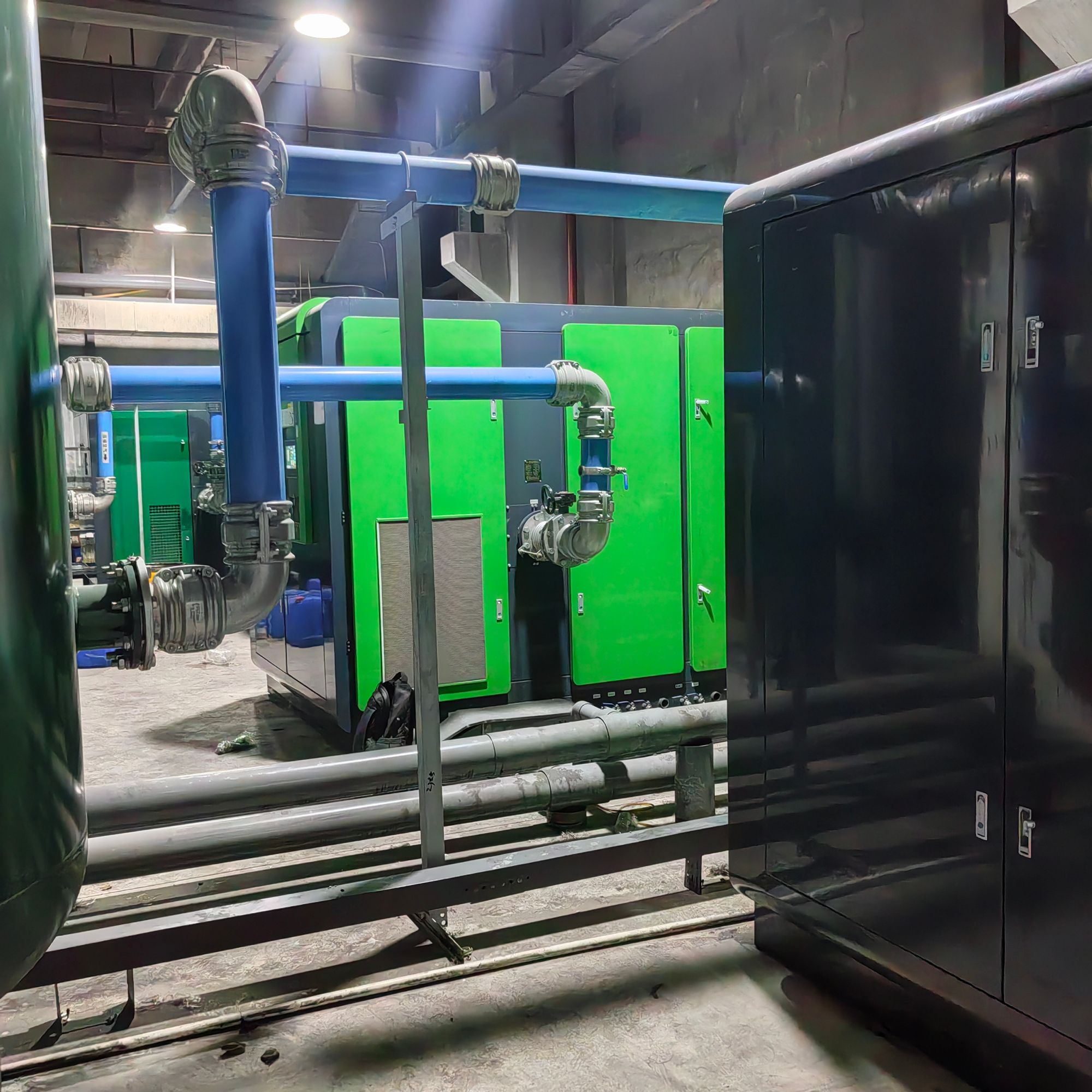
Cutting energy costs in compressed air systems often feels like guesswork—until you hear from the people who build the machines. We asked Seize Air, a low power consumption air compressor manufacturer, to share the energy saving methods they've actually tested and refined over years of real-world operation. What follows is a straightforward look at where air compressors waste power and how to stop it.
Why Your Air Compressor Might Be Drawing More Power Than It Needs
A spike in energy consumption often points to subtle mechanical issues rather than a single obvious fault. Worn piston rings or scored cylinder walls allow compressed air to leak past during the compression stroke, forcing the motor to work harder just to maintain the same tank pressure. Similarly, a clogged intake filter starves the compressor of air, increasing cycle time and kilowatt draw. Even a slightly loose drive belt can slip under load, wasting power through friction and heat instead of transferring it to the pump.
Electrical components also play a quiet role in excessive power usage. A failing start or run capacitor can cause the motor to pull higher amperage while struggling to reach operating speed. Loose terminal connections or undersized wiring create resistance, which turns electricity into unwanted heat before it ever reaches the motor. If your compressor runs on a pressure switch that is set too high or has a stuck differential, the unit may keep cycling against a nearly full tank, drawing locked-rotor current repeatedly. Checking these areas with a basic multimeter and visual inspection often reveals the hidden drain without replacing major parts.
Ambient conditions and usage patterns matter more than most operators assume. High surrounding temperature increases air density, making the compressor work harder to fill the same volume. A hot, poorly ventilated equipment room compounds this effect and shortens motor life. Running the compressor at the end of a long, narrow hose system or with too many quick-connect fittings adds backpressure that the pump must overcome. Even a slow leak in the tank check valve or an unloader that fails to release head pressure on startup forces the motor to begin against a heavy load. Addressing these environmental and plumbing factors usually trims energy draw by ten to twenty percent without any internal repair.
How Leak Checks Turn Into Real Monthly Savings
Most people only think about leaks when a faucet drips or a pipe bursts. But the quiet, hidden leaks inside walls, under cabinets, or in irrigation lines can waste hundreds of gallons each month without a single visible sign. That water goes straight onto your bill. A professional leak check finds these silent losses early, often reducing monthly usage by 10% or more, which shows up as immediate and lasting savings.
There's also a second layer of savings that gets overlooked. Small leaks create moisture that weakens drywall, warps flooring, and encourages mold. Repairing water damage can cost thousands, far more than the water waste itself. By catching a leak before it spreads, you avoid those repair bills and keep your insurance premiums from creeping up. Over the course of a year, the avoided costs can be bigger than the water savings alone.
It's not just about one inspection, either. Many homeowners who schedule a leak check start noticing patterns. They learn which fixtures use the most water, they fix a running toilet they'd been ignoring, and they adjust outdoor watering schedules. Those small behavioral shifts compound. What starts as a one-time check often turns into a permanent habit that trims every single water bill.
What Variable Speed Control Does Differently Under Fluctuating Load
When the load on a motor keeps changing, a conventional fixed-speed drive has only one response: keep running at the same RPM and hope the mechanical system can absorb the swings. Variable speed control operates differently because it continuously matches electrical input to the actual torque requirement. During a sudden load increase, the drive raises current and adjusts the slip frequency to hold the commanded speed instead of letting the shaft lose momentum. When the load eases, it trims power back rather than dumping excess energy into the drivetrain.
That adaptive behavior changes how the whole machine reacts. Instead of a sharp dip followed by an overshoot, the speed curve stays nearly flat. Bearings and couplings see less cyclic stress, and the motor runs cooler because it is not working against its own inertia. The practical payoff is smoother operation on equipment like conveyors, mixers, and compressors, where load conditions rarely stay constant for more than a few seconds at a time.
The Case for Right-Sizing Instead of Buying a Bigger Unit
Many households default to the idea that more square footage automatically means a better living situation. But that assumption often overlooks how much unused space quietly drains monthly budgets. A spare bedroom that becomes a storage closet, a formal dining area used twice a year, or a second bathroom nobody really needs — these extras add up in mortgage payments, property taxes, heating and cooling, and ongoing upkeep. Right-sizing shifts the focus from raw size to actual daily function, freeing up cash for experiences or savings instead of rooms that gather dust.
There’s also an emotional weight that comes with too much space. Bigger units demand more cleaning, more furniture to fill them, and more mental energy to maintain. By contrast, a well-chosen smaller home can feel more intentional — every corner earns its place. People who right-size often report a surprising sense of relief, not deprivation. They keep the spaces they actually use every day, like a comfortable living area or a functional kitchen, and let go of the rest without feeling like they’ve sacrificed anything meaningful.
Financially, the difference can be staggering. The money not spent on a larger unit can go toward retirement, a child’s education, travel, or simply a more flexible lifestyle. Right-sizing isn’t about settling for less; it’s about matching your home to your real life rather than some imagined future or social expectation. When you stop paying for rooms you rarely enter, your housing costs drop and your daily routine gets simpler. That’s a trade-off many people only appreciate after they make the move.
Maintenance Routines That Keep Energy Use From Climbing Back Up
Once a system has been tuned or upgraded, the real test is whether the gains stick. A few simple upkeep habits make a surprising difference. Checking and replacing air filters every month or two keeps airflow steady, so the blower doesn't have to work overtime. Wiping down refrigerator coils and clearing debris around outdoor heat pump units does the same for cooling equipment. Without these small fixes, resistance creeps back in and consumption drifts upward.
Sealing gaps around windows and doors tends to fall off checklists after the first year, but caulk and weatherstripping wear out quietly. Reapplying them every couple of seasons stops conditioned air from leaking out and forcing longer run times. It also helps to rebalance supply registers after rearranging rooms or adding furniture, since blocked vents can push a zone into overcompensation.
Annual servicing is not just for major breakdowns. A technician who verifies refrigerant charge, burner combustion, and sensor calibration can catch small drifts before they become constant overuse. Draining a few gallons from the water heater tank flushes sediment that lowers heat transfer. These routines take little time, yet they keep energy draw from settling back into old, wasteful patterns.
How to Read Manufacturer Test Data Without Getting Misled
Manufacturer test data often arrives polished, with every number carefully chosen to highlight strengths and bury weaknesses. The first habit to drop is treating these sheets as neutral reports. They are marketing tools, which means conditions, sample sizes, and even unit conventions are selected to favor the product. Start by ignoring the headline figure and hunting for the test setup description in the fine print. If the temperature, load cycle, or measurement interval differs from your real-world use, the number loses almost all practical meaning.
A second common trap is comparing values across brands without checking the test method. Two filters might both claim "99% efficiency," but one measured particle counts after twenty minutes of stabilization while the other logged the best second during startup. Look for standard references like ISO or ASTM in the data sheet, and cross-check whether the quoted result reflects an average, a maximum, or a single cherry-picked run. When the method is missing or vague, assume the worst: the manufacturer had a reason to hide it.
Finally, trust your own repeated measurements over any brochure curve. Buy a sample, run it under your actual operating conditions, and plot the data yourself. Even a rough in-house test reveals more than a glossy graph. Watch for nonlinear behavior, early degradation, or performance that collapses just outside the advertised range. If the manufacturer resists sending a sample or answering technical questions about the test protocol, that resistance is itself a data point worth weighing.
FAQ
We kept seeing factories paying far more than necessary for compressed air, often because their systems were oversized or ran at full speed around the clock. That pushed us to redesign around actual demand rather than peak specs. Over time we realised that small design changes — like better rotor profiles and smarter controls — could cut energy use by 20 to 30 percent without any drop in output pressure.
Variable speed drive technology combined with pressure band tuning. Instead of loading and unloading at fixed intervals, the compressor adjusts motor speed to match real-time air demand. One textile plant we worked with cut its compressor energy bill by 27 percent within two months simply by tightening the pressure band and letting the drive do its job.
We treat leak detection as a routine discipline, not a one-off audit. Our service teams use ultrasonic detectors during every maintenance visit and log leak points by size and location. In one food processing facility, we found 46 small leaks that added up to nearly 18 percent of total compressed air output. Fixing them cost less than a day of labour and paid back within three weeks.
Yes, and it is often overlooked. Around 70 to 90 percent of the electrical energy going into a compressor turns into heat. With a simple plate heat exchanger, that warmth can preheat boiler feed water or warm production areas. A beverage bottling line we equipped recovered enough heat to offset 40 percent of their washdown water heating demand during winter.
Oversizing is one of the biggest hidden costs. When a compressor is too large for the average load, it cycles inefficiently and wastes energy even when idle. We always start with a data logging study over at least seven days, looking at actual air demand, pressure drops and peak intervals. Then we recommend a unit that runs in its most efficient band for 80 to 90 percent of the time, often pairing a base-load machine with a smaller variable speed unit for peaks.
We install temporary power meters on the compressor supply line before making changes, then compare with data after four to six weeks of normal operation. Customers receive a before-and-after report showing kWh consumption, average kW per cubic metre of air produced, and cost savings based on their local tariff. This makes the improvement tangible instead of relying on manufacturer claims.
Keeping intake filters and coolers clean. Dirty filters force the compressor to work harder for the same airflow, and clogged coolers raise operating temperatures, which reduces efficiency. We recommend checking filters monthly in dusty environments and scheduling cooler cleaning every quarter. It costs very little but often restores 3 to 5 percent of lost efficiency.
Start with an overnight and weekend pressure profile. Many plants keep the system fully pressurised when no production is running, so a simple timer or pressure schedule can drop the pressure setpoint during idle hours and save 10 to 15 percent immediately. Also check that condensate drains are not left open and that shut-off valves isolate unused branches.
Conclusion
Most compressors quietly burn more power than the job actually demands, and the gap between rated efficiency and real-world draw often comes down to a handful of overlooked details. Air leaks, for instance, rarely announce themselves, yet a few pinholes across fittings and couplings can keep the motor cycling far more than necessary. Checking those points monthly with soapy water or an ultrasonic detector turns a ten-minute walkaround into real money off the electric bill. At the same time, fixed-speed units soldier on at full rpm even when demand drops sharply, while a variable speed drive trims motor output to match exactly what the line needs in that moment. For shops with uneven shift patterns or batch work, that single change often delivers the fastest payback.
Beyond controls, sizing has an outsized influence. A machine bought with “room to grow” often ends up short-cycling and wasting energy for years, whereas a correctly sized unit runs longer, steadier, and cooler. Once the right compressor is in place, routine care keeps efficiency from creeping back up: intake filters, belt tension, condensate drains, and oil condition all affect how hard the motor works. Finally, learning to read manufacturer test data with a skeptical eye matters. CAGI sheets and ISO curves can be cherry-picked, so comparing specific power at your actual operating pressure rather than a single best-case point prevents misleading claims. Together these practices form a practical playbook that lowers consumption without sacrificing output.
Contact Us
Contact Person: Mia
Email: [email protected]
Tel/WhatsApp: +86 19821985894
Website: https://www.seize-air.com