

Marine Generator Set Manufacturing: Addressing Industry Challenges and Innovations
2026-05-08
Designing and building marine generator sets today means confronting an array of evolving challenges—from tightening emission regulations to the demand for greater efficiency and durability in harsh maritime environments. Yet these obstacles are also driving remarkable innovations that are reshaping the industry. Hichai Power stands at the forefront of this transformation, navigating the complexities of modern manufacturing to deliver reliable, high-performance power solutions. In this article, we delve into the critical issues facing the sector and explore the advances that are setting new standards for marine power generation.
Tackling Supply Chain Disruptions in Marine Genset Manufacturing
When a critical shipment of engine blocks was delayed by six weeks due to port congestion, one midsize manufacturer nearly had to halt assembly lines. That moment forced a hard look at how dependent marine genset production had become on just-in-time deliveries from a narrow band of suppliers spread across three continents. The disruption wasn't a one-off—it was a symptom of deeper fragility. For many builders, the pandemic-era chaos merely exposed what veterans on the shop floor already knew: lead times for specialized components like alternators and control panels had been stretching for years, masked by bloated safety stocks that were no longer viable in a high-interest-rate environment.
The practical response has been less about chasing supplier diversification for its own sake and more about re-engineering the supply base around regional manufacturing clusters. Instead of sourcing castings from a single foundry in Asia, several producers have started qualifying auxiliary suppliers in Mexico and Eastern Europe, even if the per-unit cost is marginally higher. The real win comes from slashing transit time variability and drastically reducing exposure to maritime chokepoints. At the same time, collaborative inventory programs with key distributors have moved from a “nice to have” to an operating necessity—sharing real-time stock data and demand forecasts so that buffer materials sit closer to the final assembly point without ballooning working capital.
Behind the scenes, design teams are revisiting bills of materials with a cold eye on component commonality. One marine genset builder consolidated eight different voltage regulator models across its product line into just two, a move that simplified procurement forecasting and gave purchasing managers far more leverage during negotiations. Others turned to modular architecture, allowing a partially built unit to be finished with whatever compatible alternator or cooling system was actually available, rather than stalling the entire production queue. These shifts don't make the supply chain immune to shocks, but they do turn what used to be existential crises into manageable operational hiccups—and that's the new definition of resilience in this sector.
Leveraging AI and Robotics for Smarter Assembly Lines
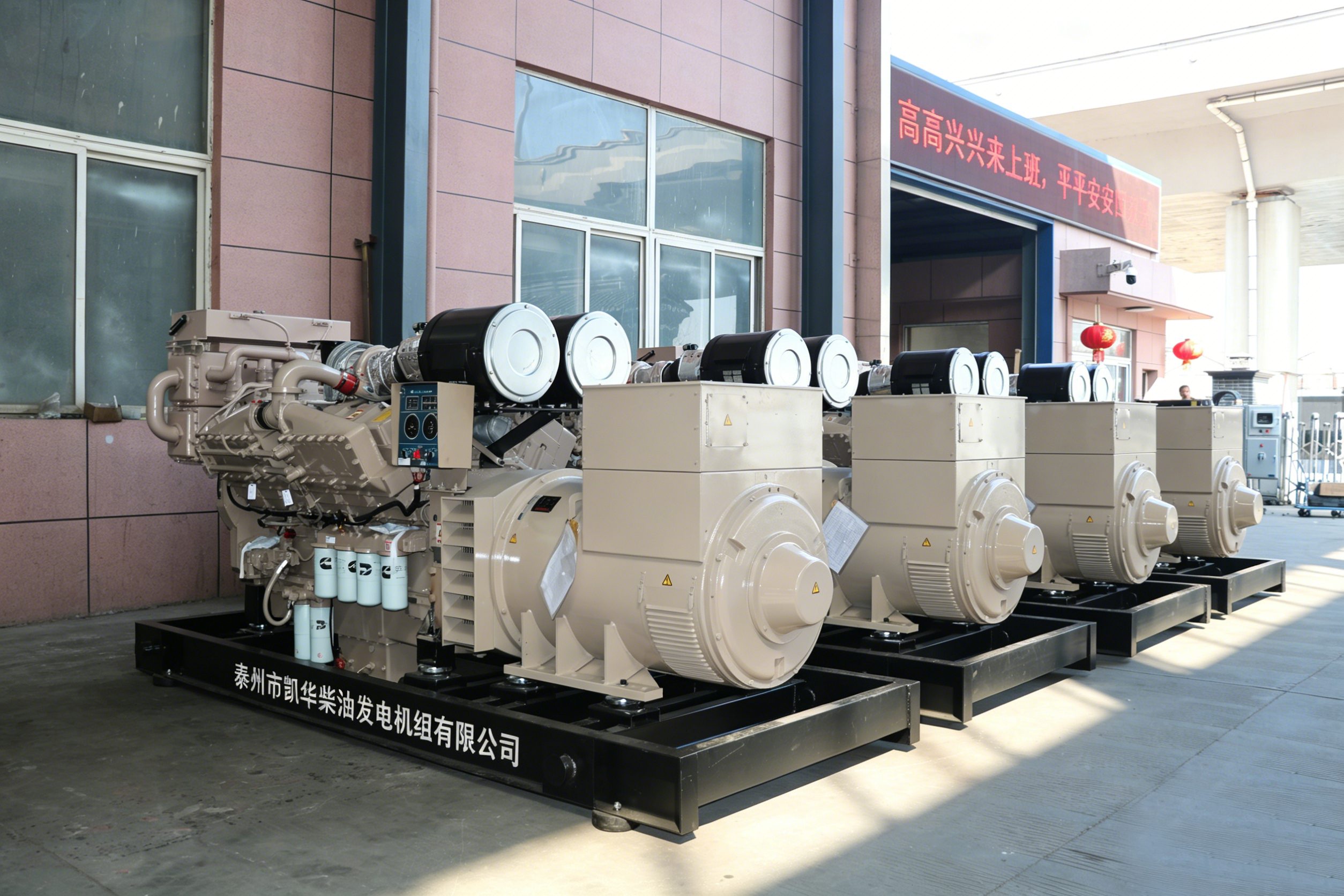
Modern assembly lines are undergoing a profound transformation as artificial intelligence and advanced robotics work in tandem to create systems that not only execute tasks but also perceive, learn, and adapt. Unlike traditional automation, which relies on hard-coded sequences, AI-driven robots can interpret real-time data from cameras, sensors, and even voice commands to make split-second decisions. This fusion of cognitive computing and physical dexterity results in lines that self-correct errors, adjust to product variations on the fly, and anticipate maintenance needs before a breakdown occurs. The outcome is a production environment where flexibility and precision coexist, drastically reducing downtime and material waste.
One of the most compelling advances lies in robotic vision systems paired with machine learning algorithms. Cameras mounted on articulated arms can inspect components at micron-level accuracy far beyond human capability, while simultaneously guiding assembly motions with adaptive force control. If a part is slightly misaligned, the robot compensates in real time rather than stopping the line. Collaborative robots, or cobots, further blur the line between human and machine, working side-by-side with technicians to handle intricate tasks like wiring harnesses or delicate electronic assemblies. AI algorithms ensure safe interaction by constantly modeling the workspace and predicting human movement, enabling a new era of human-robot teamwork that amplifies overall productivity without compromising safety.
Beyond the factory floor, AI ties these smart assembly lines into a broader digital ecosystem. Data gleaned from every operation feeds into centralized machine learning models that optimize supply chain logistics, forecast demand, and refine production schedules. Digital twins—virtual replicas of the physical line—allow engineers to simulate and test new configurations without ever halting output. This continuous loop of physical execution and digital insight means that each unit produced carries with it a trail of data that can be analyzed to drive iterative improvements. Ultimately, the marriage of AI and robotics doesn't just speed up assembly; it makes the entire manufacturing process more resilient, responsive, and intelligent.
Sustainable Manufacturing Moves from Niche to Necessity
For decades, sustainability in manufacturing was treated as a premium add-on—something for brands chasing eco-conscious shoppers or meeting niche certifications. Most factories prioritized speed and cost, with green practices seen as expensive indulgences. That calculus has flipped. Today, circular production models, renewable energy, and waste reduction are becoming baseline expectations, not differentiators.
Several forces are compressing the timeline. Stricter emissions rules are emerging globally, supply chain audits now scrutinize environmental footprints, and raw material volatility is pushing companies to rethink resource loops. Meanwhile, industrial buyers and end consumers increasingly vote with their wallets, rewarding transparency and penalizing laggards. The result? Manufacturers that once viewed sustainability as a PR tactic now embed it into core operations to protect margins and secure contracts.
The shift carries hard business logic beyond compliance. Energy-efficient lines lower utility bills, closed-loop water systems slash procurement costs, and lean material strategies trim waste handling fees. Companies slow to adapt aren't just risking fines—they're locking themselves out of partnerships with major retailers and governments that now mandate sustainable sourcing. The niche has become the entry ticket.
Building Reliability In: From Component Sourcing to Final Test
Reliability isn't something you can test into a product at the end—it has to be woven in at every stage. The process starts long before assembly, with careful component sourcing. We don't just pick parts off a list; we qualify suppliers based on their track record, audit their manufacturing lines, and insist on full traceability for every batch. A capacitor that fails a year into field use is a problem we'd rather avoid at the sourcing table. That means looking beyond datasheet specs and asking hard questions about process control, change notification policies, and long-term availability.
Once parts arrive, incoming inspection isn't a rubber stamp. We use statistical sampling matched to risk profiles—more scrutiny for single-source or safety-critical components. But screening alone isn't enough. Design decisions also steer reliability: derating components so they operate well below rated limits, running signal integrity simulations before laying out a board, and choosing connectors that can handle more mating cycles than the product will ever see. Every choice gets examined under the lens of worst-case conditions.
Manufacturing brings another set of reliability levers. Soldering profiles are tuned to produce consistent intermetallic layers, not just shiny joints. Automated optical inspection catches placement issues, but we also use X-ray for BGAs and thermal imaging to find hotspots in prototypes. Then comes stress testing: rapid temperature cycling, vibration sweeps, and accelerated life tests that push prototypes to fail so we can understand their limits. The data flows back into the design, tightening margins where needed. By the time a unit reaches final test, it's already proven itself in countless unseen ways—the final pass is just one more data point.
Next-Gen Innovations: Hybrid Power and Remote Monitoring
Pairing hybrid power systems with remote monitoring is quietly reshaping how energy gets managed in off-grid and backup scenarios. Instead of relying on a single source, these setups blend solar, battery storage, and traditional generators, letting the system pivot based on availability and demand. The real leap comes from remote oversight—sensors stream granular data on charge levels, fuel consumption, and equipment health, giving operators a way to spot glitches before they snowball into downtime. It’s a shift from reactive fixes to a rhythm of steady, informed adjustments, often handled miles away from the actual hardware.
What sets this apart isn’t just the tech stack but how it handles unpredictability. Weather shifts, sudden load spikes, or a generator acting up—remote monitoring platforms flag these in near real time, sometimes triggering automatic responses like rerouting power or throttling non-essential loads. Updates and diagnostics often happen over the air, so boots-on-the-ground visits become rare, trimming both cost and carbon footprint. For sites where reliability is non-negotiable, this blend offers a kind of resilience that feels almost intuitive, learning from patterns rather than just following rigid scripts.
Looking ahead, the quieter piece of this puzzle is the data layer. Every operational tweak and environmental signal feeds into models that sharpen predictions around maintenance cycles and energy budgeting. Over time, a microgrid in one location can inform another, creating a loose network of shared insight without centralized control. It’s less about flashy breakthroughs and more about weaving intelligence into the infrastructure until the line between hardware and software blurs. The result: power systems that don’t just react but adapt, steadily redefining what it means to stay online.
Meeting Evolving Emissions Regulations Without Compromise
Staying ahead of tightening emissions standards requires a fundamental rethinking of engine design and fuel strategy, not just incremental tweaks. Manufacturers are now integrating advanced combustion techniques and real-time emission monitoring directly into the core architecture of their power units. This means engines are built from the ground up to adapt to regional regulatory shifts without sacrificing torque, horsepower, or reliability. By embedding flexibility into the hardware—such as variable valve timing and multi-pulse injection—these systems can dial in optimal combustion for a wide range of conditions, ensuring compliance without the typical performance penalties that used to accompany eco-modes.
The key to no-compromise compliance lies in how exhaust aftertreatment is no longer an afterthought but a symbiotic part of the engine ecosystem. Newer catalytic and filtration technologies are co-developed with the combustion cycle, allowing for tighter integration and faster response to load changes. For instance, dynamic urea injection and heated particulate filters work in lockstep with engine mapping to maintain peak efficiency while slashing NOx and particulate matter. This holistic approach means operators no longer have to toggle between power and compliance; the system manages both seamlessly, even under strenuous conditions like high-altitude towing or sustained low-speed operation.
Beyond hardware, software-driven predictive controls are rewriting the rules. Instead of reacting to sensor data, modern engines use machine learning models that anticipate load demands and pre-adjust emission systems. This foresight prevents the brief spikes in pollutants that often occur during rapid acceleration or gear shifts, while preserving crisp throttle response. Moreover, over-the-air updates allow for continual refinement of these algorithms as regulations evolve, meaning a machine built today can improve its compliance profile years down the line. This fusion of intelligent software and robust engineering ensures fleets can meet future standards without revisiting the purchase order for hardware retrofits.
FAQ
One major hurdle is dealing with harsh environments like saltwater corrosion and constant vibration, which demand materials and designs that can endure without frequent failure. Another is meeting strict emission rules without sacrificing performance, pushing manufacturers to innovate with cleaner fuel systems and exhaust treatments.
Digital tools have streamlined manufacturing by enabling precise modeling and simulation before physical builds, cutting down on waste and rework. On the operational side, integration of sensors and remote monitoring now allows real-time diagnostics, letting crews spot issues before they cause breakdowns.
Advances like variable-speed operation and hybrid systems that combine batteries with traditional engines are leading the charge. These setups let the generator run at optimal load or switch to stored power when demand is low, drastically cutting fuel burn.
Enclosed ship spaces amplify sound, and traditional silencing adds weight and bulk. Recent approaches use active noise cancellation and advanced enclosure materials that absorb vibration without compromising compactness, but balancing quiet operation with cooling efficiency remains tricky.
Alternative fuels like LNG and biofuels are reshaping design priorities. Manufacturers now incorporate dual-fuel capability and corrosion-resistant fuel lines from the start, anticipating a shift away from heavy fuel oil without requiring complete engine overhauls later.
Long lead times for specialized components like custom alternators or heat exchangers can stall entire builds. Some manufacturers are responding by nearshoring supplier networks and holding buffer stocks of critical parts, which adds cost but improves reliability.
Beyond standard load tests, units undergo salt spray trials, extreme tilt operations, and prolonged vibration cycling that mimics storm conditions. These regimes expose weak points like poor sealing or inadequate mounting, which are then redesigned before delivery.
As vessels move toward integrated electric propulsion, generators must communicate seamlessly with power management systems. This pushes manufacturers to embed advanced controllers and protective relays that adjust output instantly, keeping the grid stable even under sudden load changes.
Conclusion
The marine generator set industry is navigating a transformative era where resilience and innovation intersect. Supply chain volatility has forced manufacturers to diversify suppliers and regionalize sourcing strategies, ensuring that production lines stay active even as global disruptions persist. At the same time, the integration of AI and robotics is redefining assembly precision—smart automation not only speeds up production but also detects defects in real time, reducing rework and improving overall throughput. This technological leap is paired with a growing commitment to sustainable manufacturing, which is no longer optional but essential; from eco-friendly materials to energy-efficient processes, builders are embedding green practices deep into their operations to meet both regulatory demands and customer expectations.
Reliability remains the cornerstone of this sector, and manufacturers are reinforcing it through stringent quality controls that start at component sourcing and extend to rigorous end-of-line testing. These efforts ensure that gensets perform flawlessly in demanding marine environments. Innovation is also driving the next generation of products, with hybrid power solutions and advanced remote monitoring systems enabling operators to optimize fuel consumption and predict maintenance needs from shore. Crucially, all these advances are being achieved without compromising on compliance with evolving emissions regulations, such as IMO Tier III, as engineers develop cleaner-burning engines and aftertreatment systems that balance performance with environmental stewardship. In essence, marine genset manufacturing is setting a new course, merging operational excellence with forward-thinking design to overcome today’s challenges and tomorrow’s uncertainties.
Contact Us
Contact Person: Ms. Lu
Email: [email protected]
Tel/WhatsApp: 8618917899306
Website: https://www.hichaipower.com