

Neck Massager Manufacturer Vetting Checklist for Quality and Reliability
2026-11-16
Most neck massager supplier failures don’t start on the factory floor—they start with a checklist that skips the details that actually predict returns, warranty claims, and stalled shipments. If you’re comparing manufacturers for long-term quality and reliability, XINGBU has learned that the difference is rarely visible in a spec sheet. This guide breaks down the vetting points you should weigh before signing off.
Factory Floor Checks That Separate Dependable Neck Massager Makers
The difference between a neck massager that lasts and one that ends up in a drawer often comes down to checks that happen long before the product reaches your door. Reliable manufacturers run their units through a series of repetitive motion tests, simulating weeks of daily use in just a few hours. They look for signs of uneven pressure, sudden drops in kneading intensity, or heat plates that stray outside a safe temperature range. These are not glamorous tests, but they catch the kind of flaws that only show up after the return window closes.
Factory floor inspections also focus on the small details that users feel immediately but rarely think about. Cord strain relief gets pulled and twisted at unusual angles to make sure the wiring will not fail near the plug. Stitching on the outer fabric is checked for gaps that could expose heating elements. Even the button panels are pressed thousands of times to confirm that a single stuck key will not disable the entire massage head. Dependable makers treat these checks as a routine part of the shift, not as a final hurdle to rush through.
What separates the top suppliers is how they handle a failed check. Instead of quietly reworking a batch and hoping no one notices, they pause the line, trace the problem to a specific station or component, and document the correction. Some factories keep a small sample of every production run for long-term durability tracking, so a flaw discovered months later can be linked back to a particular day and material batch. This kind of floor-level discipline is hard to fake and shows up in products that feel equally steady on day one and day five hundred.
The Material and Component Choices Behind Devices That Last
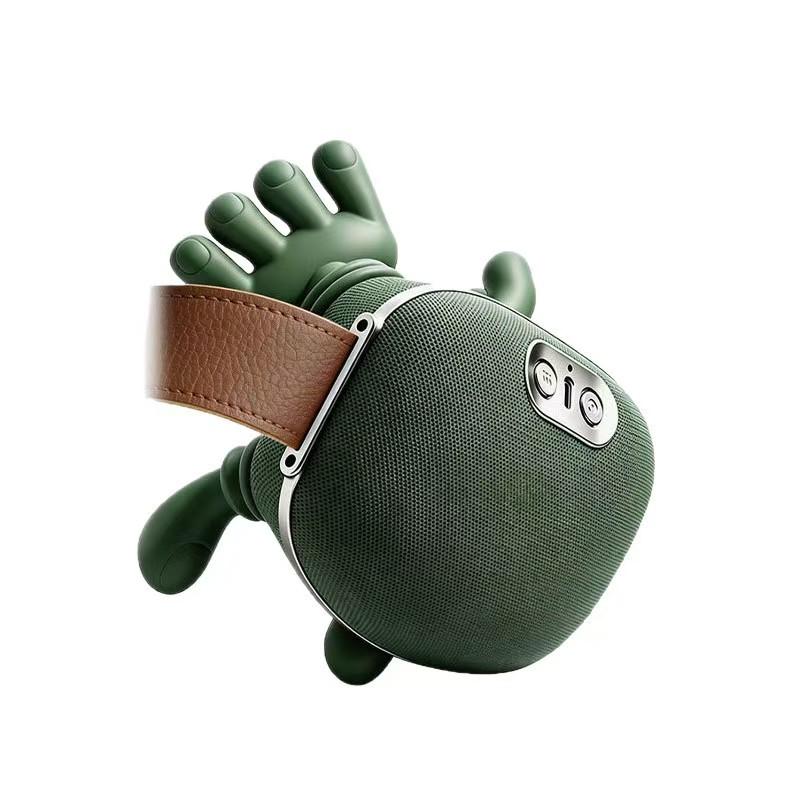
A phone that still feels snappy after four years rarely gets there by accident. The choice of an aluminum frame over a plastic one, the decision to use a higher-grade lithium-polymer cell that tolerates more charge cycles, and the insertion of a slightly thicker display ribbon cable all happen during design reviews most people never see. These are not glamorous specs, but they determine whether a device becomes a daily companion or a source of constant frustration.
Component suppliers matter more than the brand name on the back. A power button rated for a million presses, a USB-C port with extra anchoring pins, and a speaker grille with a fine mesh that actually blocks pocket lint are the kind of details that separate a two-year device from a five-year one. Manufacturers who skip these choices save a few cents per unit, but they shift the cost to the user in the form of dead batteries, cracked solder joints, and loose connectors.
Some of the best longevity decisions are invisible: thermal pads placed between the processor and the midframe, adhesive that stays strong through repeated temperature swings, and capacitors rated for higher voltage than the circuit ever sees. These materials do not show up in marketing sheets, and that is exactly why they work. When a device lasts, it is not because a single hero component was chosen, but because dozens of unglamorous choices were made with the same priority: keeping the thing alive long after the warranty expires.
Quality Control Checkpoints That Keep Flawed Massagers From Shipping
Before a massager reaches the packing line, it goes through a bench test where torque, current draw, and heat rise are compared against a known-good reference unit. Anything that hums louder than the baseline or runs a few degrees warmer gets pulled aside and retested rather than slipped into a box.
The next stop is a close visual and tactile pass under bright angled light. Inspectors check seam alignment, button travel, charging port fit, and the smoothness of silicone edges. A rough edge or a wobbly control is treated as a functional risk, not just a cosmetic nitpick, because those are the flaws customers notice within the first week.
Finally, each batch goes through a short soak cycle that steps through every speed and attachment mode. If a motor stutters, a mode skips, or the unit shuts off unexpectedly, the entire lot is held for rework. This is where intermittent faults get caught before they turn into returns or complaints.
Certifications and Test Reports Worth Verifying Before You Commit
A certificate is only as useful as the scope printed on it. Before you commit to a supplier, pull up the actual document and check whether the model, voltage range, material grade, or production site matches what you are actually buying. A UL file or CE declaration that covers a different configuration will not protect you during an inspection or a warranty dispute. Also confirm the issuing body is accredited for that exact scheme, not just a consultancy that reformatted the manufacturer’s own claims.
Test reports deserve the same level of scrutiny. Look at the laboratory name, the date, and the standard revision, then compare that against the batch or SKU you are about to order. Some reports are based on pre-production samples, third-party prototypes, or older material blends that no longer match current production. If the report number cannot be verified on the lab’s public registry, ask for a fresh test or a letter from the lab confirming the sample traceability.
For high-risk categories such as electrical insulation, flammability, food-contact materials, or load-bearing components, treat unverifiable paperwork as a negotiation blocker rather than a minor gap. A quick request for the lab’s contact details and an authorization code can reveal more than the cover page ever will. Suppliers with clean records usually respond quickly; vague answers about expired certificates or renamed test bodies are reason enough to pause the order.
Capacity, Lead Times, and Consistency Signals When Orders Scale
When order volume climbs, capacity stops being a theoretical number. Teams start bumping into real constraints—machine hours, warehouse shifts, supplier windows—and lead times stretch in ways that aren't always linear. A ten percent increase in orders might quietly add several days to fulfillment if a bottleneck sits in packing or quality control rather than raw output.
Lead times also become a signaling mechanism. Customers read delays not as background noise but as evidence about whether the operation is under control. If quoted dates move once, trust dips. If they move repeatedly, buyers begin to assume the process is guessing. The consistency of those signals often matters more than the headline speed.
That's why scaling companies usually tighten one thing early: cadence. They stop promising best-case dates and start publishing ranges that account for actual capacity. They update less often but with better accuracy. The payoff is a steady, boring kind of reliability that gives customers a reason to reorder without asking for constant reassurance.
Warranty and After-Sale Support Clues That Reveal Manufacturer Confidence
A company that genuinely trusts its product rarely hesitates to back it with a substantial warranty. When coverage stretches well beyond the legal minimum, such as five years on a compressor or ten on a sealed system, it usually signals that the engineering team has reliability data rather than a marketing department searching for a selling point. The fine print matters too. If wear-and-tear parts are excluded or aggressively pro-rated after the first year, the enthusiasm is mostly cosmetic.
After-sale support often tells you more than the warranty document itself. Notice whether you can reach a knowledgeable person without navigating endless phone menus, how quickly replacement parts ship, and whether the company maintains regional service partners instead of routing every repair through one overloaded call center. Manufacturers with real confidence tend to treat support as part of the product experience, not as an expense to be quietly minimized.
Transferable coverage and ongoing updates are quieter but meaningful clues. If a brand allows the remaining warranty to pass to a second owner, it is betting the item will still be worth owning years later. Free firmware or software improvements that address known quirks suggest the company expects customers to stick around long enough to notice the difference.
FAQ
Start with documented process controls and traceability. Ask to see how raw materials are logged and matched to production batches, and request a walk-through of the final inspection area rather than relying only on a certificate.
ISO 13485 matters if the product is marketed with medical claims, while IEC 60335-1 and relevant battery standards such as IEC 62133 are more relevant for general consumer devices. Check that the certificates are within validity and cover the specific factory address.
Request accelerated life test data for the massage nodes and battery, including cycle counts and temperature exposure. Compare failure modes from their test reports against actual return data if they are willing to share it.
A big one is unusually broad tolerance ranges on mechanical parts like rollers or hinges, which suggests weak incoming inspection. Also watch for unlabeled returned goods mixed with new inventory, or test stations that are present but not connected to any record system.
Check heat output after continuous use at the highest setting, motor noise under load, battery charge retention, and automatic shutoff behavior. Simulate normal use with a weighted neck form rather than testing only in a no-load condition.
Ask for an approved vendor list and evidence of incoming inspection records for batteries, motors, and heating elements. Request a teardown of current production to confirm the branded components shown in samples are the same ones used in mass production.
Look at corrective action reports from past audits, batch deviation logs, and first article inspection records. Consistency is better shown by how deviations are handled than by a clean sheet with no entries.
Request defect rates from recent orders, especially for returns linked to battery failure, no power, or overheating. A factory that can break down return reasons by lot number usually has stronger failure analysis capability.
Conclusion
A dependable neck massager supplier shows itself long before the first carton leaves the dock. Walk the production floor and watch how soldering, cable routing, and motor mounting are handled; tidy stations, clear work instructions, and in-line torque checks usually signal less rework later. The materials matter just as much as the assembly. Ask about the heating element grade, the battery cell source, the gear material inside percussion units, and whether the mesh fabric is treated to avoid pilling or odor. Suppliers that can explain why they chose a specific lithium cell or a thicker copper winding tend to build devices that hold up after repeated use. Strong factories also run multiple quality gates, not just a final once-over. They pull units from the line for pull tests, heat cycling, and noise checks, then trace any defect back to the batch instead of simply replacing the unit.
Before committing, verify the paperwork behind those claims. Look for current CE, FCC, RoHS, REACH, and battery safety reports rather than a wall of outdated certificates. Request actual test data for overheat protection, drop survival, and battery cycling; that matters more than a polished spec sheet. When orders grow, the manufacturer should show stable lead times, clear capacity planning, and consistent component sourcing instead of promising fast turns they cannot repeat. Finally, read the warranty terms and test their after-sale response. A confident maker offers a realistic warranty, stocks spare parts, and gives direct answers about failure rates. If they hesitate on repair turnaround or avoid sharing test reports, that hesitation is worth more than any brochure claim.
Contact Us
Contact Person: Hannah
Email: [email protected]
Tel/WhatsApp: +86 18266954198
Website: https://www.okmassager.com/