
OEM Tomato Paste Sourcing Guide for Private Label Brands
2026-11-18
Most private label tomato paste looks identical on the shelf. What separates a category leader from a forgotten SKU is rarely the label—it’s the sourcing decisions made before production begins. This guide walks through the OEM tomato paste essentials that private label brands often overlook, including viscosity control, recipe flexibility, and supplier responsiveness. We also examine how working with a focused manufacturer such as HONGBURG FLAVORMAKER can give your brand a quieter but decisive advantage.
Brix Values Only Tell Half the Sourcing Story
Brix gets treated like a shortcut for quality, but a refractometer only measures dissolved solids, mostly sugars. It says nothing about acidity, aromatic compounds, or the cell structure that determines whether fruit holds up during shipping or collapses on the shelf. Two lots of mandarins can read 12.5 Brix and taste completely different once acidity and juice content enter the picture.
Relying on Brix alone also flattens regional and seasonal differences that buyers actually pay for. Early-season fruit often tests lower but carries brighter acidity and more delicate aromatics, while late-season fruit can hit high sugars with flatter flavor. Variety choice, rootstock, harvest timing, and postharvest handling shape the eating experience just as much as sugar accumulation.
Sourcing decisions get sharper when Brix is read alongside acid ratios, firmness, dry matter, and sensory checks. A high-Brix sample with poor texture or off-balance acid will disappoint even if the number looks impressive on paper. The real story lies in how sugar, acid, aroma, and structure work together, not in a single field measurement.
The Supplier Questions Most Brands Forget to Ask
Most sourcing conversations stall on unit price, minimums, and lead times. Those numbers matter, but they rarely reveal how a supplier behaves when something drifts off-spec at 4 p.m. on a Friday. The questions that get skipped are the ones about ownership, escalation, and leverage: Who actually controls the mold if the relationship ends? Which raw material lots get held back when supply tightens? What is the real cost of a rushed rework order, and who absorbs it?
It is worth asking a factory to walk through a recent production failure without naming the client. The answer often exposes whether problems are caught early or hidden until inspection. Also ask how many of their senior staff can authorize a line stoppage. If that number is one, every order depends on a single person's availability. Brands that dig into these less comfortable areas usually end up with fewer surprises later, because they have already heard what the supplier sounds like when the news is not good.
Finally, test the backup story. A factory may claim full capacity, but the useful detail is where overflow actually goes when demand spikes. Some will admit to using the same subcontractor as three competitors; others can show dedicated overflow lines and named technicians. That distinction matters more than a signed certificate or a polished audit summary.
Designing a Paste Blend That Is Actually Yours
A paste blend only becomes yours when you stop measuring success by someone else's recipe card. Start with a base you actually reach for on a tired Tuesday, not the one a trend piece told you to love. If that means toasted sesame and a spoonful of doubanjiang instead of the usual garlic-herb mix, then that's the point. The first few batches will be uneven, and that's a good sign: you're building muscle memory, not copying a template.
Pay attention to the moments when a blend almost works. Maybe the heat arrives too late, or the acidity flattens the sweetness. Adjust one variable at a time and write down what changed, even if it's just a scribble on a butter-stained envelope. Over weeks, those notes become a language only your kitchen speaks. You'll learn that toasted coriander hits differently when the weather turns, and that a drop of cold-pressed peanut oil smooths edges no powder can.
Eventually, you'll reach for your jar without thinking and know, by smell alone, what it needs today. That's the blend becoming yours: not because it's perfect, but because it holds your habits, your impatience, and the small corrections only you would make. Let it be a little lopsided. Let it surprise you. That's the difference between following a formula and having something to pass across the table with your name on it.
Shelf-Ready Formats That Do More Than Hold Paste
Shelf-ready formats have quietly moved past the era of plain jars and squeeze tubes. The real shift isn't just about keeping paste from drying out—it's about how the container changes the way people use the product. A tapered nozzle, a wide-mouth tub, or a slender aluminum tube each invites a different rhythm: one encourages precise dabbing, another a generous swirl, and a third a controlled ribbon. When the format aligns with how a paste actually behaves—its stiffness, its spreadability, its tendency to separate—the packaging stops being a compromise and starts feeling like part of the formula.
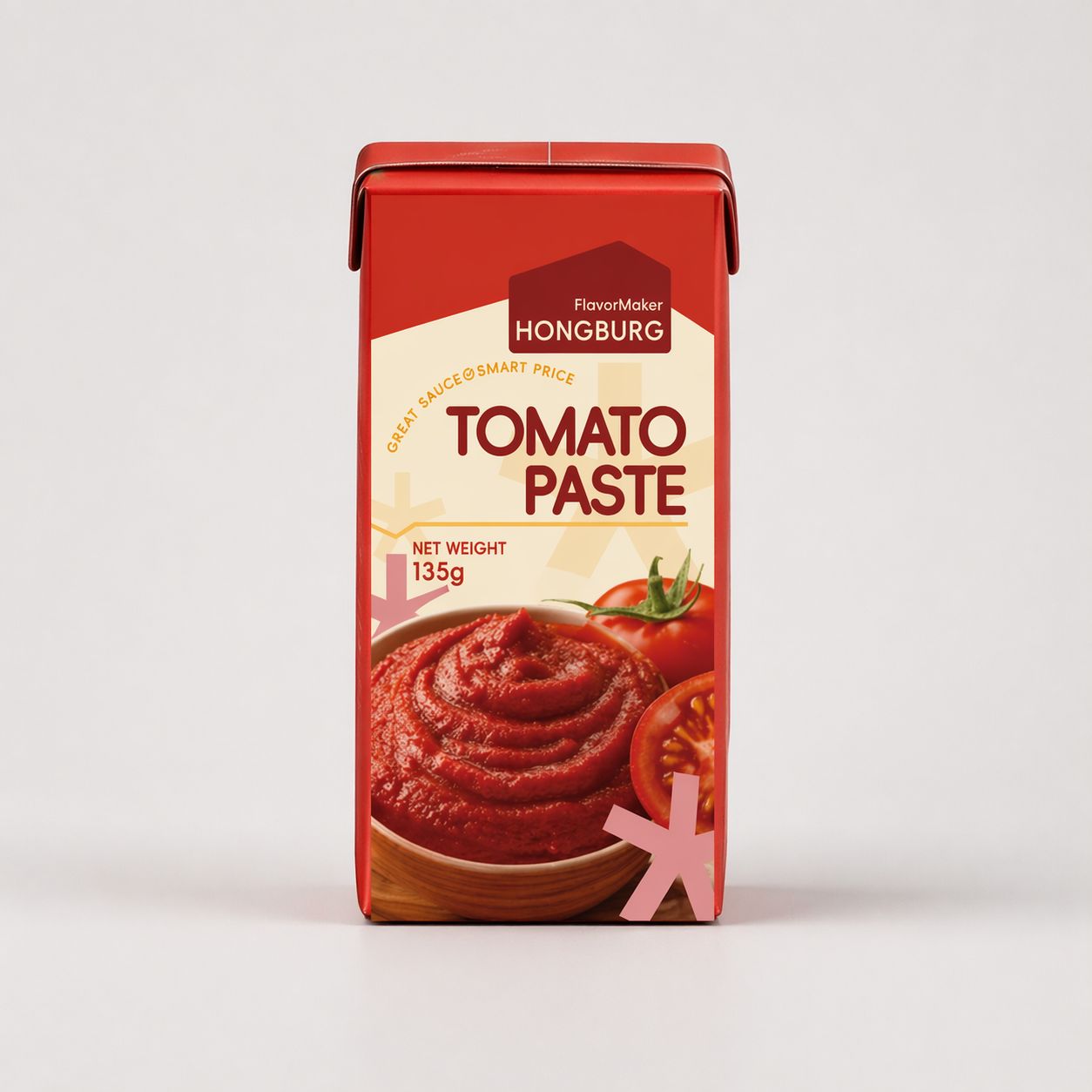
This matters most in categories where habit is everything. Think of tomato paste in a resealable pouch versus a tiny can: the pouch lets a home cook squeeze out a tablespoon and put the rest away without transferring it to another vessel. Or a zinc oxide ointment in a soft, oval tube that stands on its cap, so the last bit doesn't pool uselessly at the crimp. These aren't flashy innovations; they're quiet corrections to decades of minor inconvenience. The best shelf-ready formats do more than hold paste—they remove the small frictions that make people reach for something else.
There's also a less obvious advantage: portion memory. A well-designed format teaches the hand how much is enough. A pump that dispenses exactly one gram of retinol cream, a flip-top cap that snaps shut with a reassuring click, a tube with a matte finish that shows just how much pressure you've applied—these details build a kind of muscle familiarity. Over time, the package becomes less of a container and more of a tool, one that quietly guides usage while keeping the paste stable, clean, and ready for the next motion.
Why Lower Minimums Can Cost More in the Long Run
At first glance, a lower minimum order quantity feels like a favor. It lets you test a product without committing much cash, and that flexibility can be genuinely useful when you are still figuring out what your customers want. The problem is that this convenience usually comes with a quiet surcharge baked into the unit price. Suppliers do not absorb the extra handling, repackaging, and administrative work out of kindness; they spread it across every piece you order. Over a year of recurring small orders, those few extra cents or dollars per item quietly stack up into a noticeable chunk of margin you never planned to give away.
There is also the less obvious cost of your own time and attention. Each small order means another round of emails, another invoice to approve, another shipment to track, and another round of unpacking and restocking. The labor involved barely changes whether you order fifty units or five hundred. When you tally the hours spent managing these repeated tiny purchases, the "low risk" order starts looking like a slow leak rather than a smart hedge.
Finally, lower minimums can cap your negotiating power before you even sit down at the table. Vendors reserve their best pricing, priority production slots, and shipping flexibility for accounts that commit to meaningful volume. By always ordering at the floor, you signal that you are a small, transactional buyer, and you get treated accordingly. In many cases, stepping up to a slightly higher minimum unlocks a tier of pricing and service that makes the larger order cheaper in real terms than three or four cautious small ones.
What Survives Shipping Tells You About the Supplier
A carton that arrives with crushed corners but intact contents doesn't happen by accident. It usually means someone at the supplier's end actually thought through drop heights, pallet stacking, and the way couriers treat packages between hubs. You can read those decisions in the tape pattern, the density of the foam, and whether the inner boxes were sized to stop movement rather than just to look neat in a product photo.
The suppliers worth keeping are the ones who treat shipping as part of the product, not an afterthought. If the same item has arrived three times without damage, that consistency matters more than a low quote or a quick sample turnaround. It tells you they have a process, not just good luck. When something does break, how they handle it reveals even more: suppliers with real logistics discipline will adjust packing, ask about the damage point, and change the next run instead of simply offering a small refund.
Over time, what survives the journey becomes a quiet quality report. Scuffed outer boxes are fine; internal shifting, moisture stains, and repetitive damage in the same spot are not. Those patterns point back to cheap corrugate, missing corner boards, or a production line that rushes the final pack. A supplier that pays attention to those details is also more likely to catch defects before the goods leave the factory.
FAQ
A dependable partner brings more than filling capacity. Look for access to multiple tomato varieties, harvest-season sourcing in regions like California, Italy, or Xinjiang, and the flexibility to adjust Brix, viscosity, and can size. They should also walk you through crop yield risks and carry relevant certifications rather than just listing them on a slide.
Most start with a base profile, such as cold break or hot break, a specific Brix around 28 to 30, and maybe a citric acid adjustment, then tweak from there. A good OEM will run a pilot batch, send physical samples, and only move to full production after you sign off on taste, color, and consistency. Expect a few rounds rather than one perfect hit.
Cans remain the workhorse for food service and retail, but sachets, pouches, and jars are worth testing if you are chasing convenience or premium shelf presence. Smaller runs often favor standard can sizes because custom packaging molds and minimums get expensive quickly. Ask about line compatibility before committing to a format.
Request a pre-shipment inspection that covers Brix, acidity, colorimeter readings, mold count, and sensory evaluation. You also want documentation for heavy metals, pesticide residues, and any allergens handled in the facility. If possible, have a third party inspect the lot rather than relying only on the factory's own lab.
It depends on packaging and whether you are buying existing stock or a custom recipe. Standard canned paste often starts around one 20-foot container, while custom formulations or smaller pouches can push the MOQ higher because of setup and raw material planning. Some suppliers will split a container across labels if you ask early.
Break the quote into raw paste, packaging, filling, lab testing, and logistics instead of accepting one lump sum. Clarify who pays for palletization, export documents, and rework if a batch fails. Tomato paste prices move with harvest yields, so lock a validity window and ask how the supplier handles raw material price swings.
For a standard private label order, plan on eight to twelve weeks once the artwork and recipe are frozen. Custom packaging can add several weeks, and shipping time varies widely depending on origin and destination. Build in buffer for lab testing and possible label revisions, because those small delays are common.
Many chase the lowest unit price and ignore yield risk, or they approve a sample without asking which production line it came from. Others under-spec the product, like forgetting to define viscosity or drain weight, and then receive a batch that is technically on paper but wrong in the kitchen. Get every parameter in writing before production.
Conclusion
Brix readings make a tidy spec-sheet number, but they skip the messy details that decide whether a private label tomato paste actually works in your supply chain. Two suppliers can list the same solids content and still deliver wildly different color, viscosity, and flavor after processing. Buyers who stop at the lab report often miss what matters: asking about harvest windows, pasteurization methods, rework handling, and how the factory behaves when a batch drifts out of spec. A more useful conversation starts with questions most brands never bring up—how the supplier treats late-season tomatoes, whether they segregate lots, and how they document deviations. That same thinking feeds blend design. Instead of repacking a generic paste, a brand should work backward from the final recipe or pack format, adjusting salt, citric acid, or viscosity early enough to make the product genuinely theirs rather than a label swap.
Shelf-ready formats matter just as much as the paste inside them. Aseptic bags, drums, pouches, and portion packs each create different handling costs and shelf-life risks; the right choice depends on your production line, not just the supplier's default. Lower minimum order quantities sound friendly at first, but they often hide changeover fees, less consistent raw material access, and freight inefficiencies that quietly raise your true cost per unit. Finally, pay attention to what survives the journey. Dented liners, leaking spouts, or inconsistent fill weights after transit reveal far more about a supplier's packing discipline than any pre-shipment certificate. Choose partners whose packaging and logistics hold up under real conditions, because that is where a private label program either stays profitable or starts bleeding margin.
Contact Us
Contact Person: Peter Song
Email: [email protected]
Tel/WhatsApp: +86 18920189778
Website: https://www.hongburg.com