

Outdoor Wall Tiles Factory Tips for Finding a Reliable Supplier
2026-08-20
Choosing the right outdoor wall tiles factory can feel like a gamble—samples look flawless, sales reps promise quick lead times, yet the final shipment sometimes arrives chipped, faded, or nothing like the catalog. With so many suppliers competing for your project, the real challenge isn't finding a factory; it's separating the ones that can consistently deliver from those that just talk a good game. In this post, we break down practical, field-tested tips for vetting outdoor wall tile manufacturers, and we point to Beata Ceramics as an example of the standards you should expect. Let's get into what actually matters before you place an order.
Match the Tile to Your Local Climate, Not Just the Catalog
Choosing a roof tile based only on how it looks in a catalog can be a costly mistake. Climate should drive the decision first, because a tile that performs beautifully in a dry Mediterranean region may fail quickly under freeze-thaw cycles or heavy snowfall. Think about your local weather patterns—intense sun, frequent hail, coastal salt spray, or prolonged humidity—before falling in love with a color or profile.
For hot, sunny climates, consider tiles with high solar reflectance to reduce heat absorption and lower cooling loads. In areas with heavy rain or moss growth, a tile with a dense, low-porosity surface and a steep recommended slope helps shed water and resist staining. Coastal homes need tiles with proven resistance to salt corrosion, often found in clay or specially treated concrete.
Freeze-thaw regions demand tiles with low water absorption ratings, typically under 3%, to prevent cracking when trapped moisture expands as ice. High-altitude or hail-prone areas benefit from impact-rated tiles that can withstand severe weather without shattering. Always check local building codes and manufacturer climate ratings rather than assuming a popular tile will work everywhere.
Check If the Factory Can Handle Your Order Size
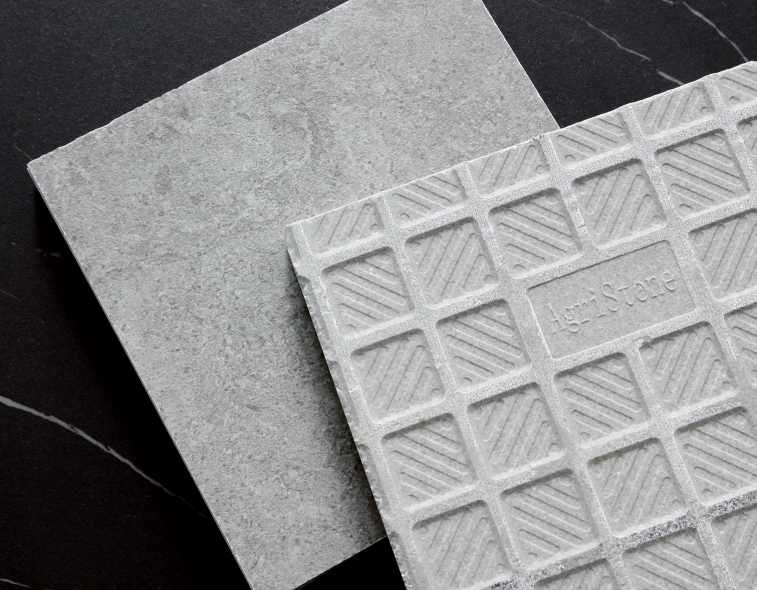
A factory that looks impressive on a website can still fall apart when your actual order lands in their queue. Before placing anything beyond a sample run, ask for a straightforward capacity breakdown: number of production lines, daily output per line, current booked months, and how many workers are assigned to your product category. Those numbers tell you more than a polished brochure ever will.
It also helps to test their flexibility. Send them a realistic purchase order scenario with a tight turnaround—say, a 30% increase on top of the original quantity. How they respond reveals whether they have reserve capacity or just a fragile schedule. Factories with solid order management will either confirm the extra volume in writing or propose a clear phased delivery plan; vague promises are a red flag.
Don't ignore minimum order quantities either. If their MOQ is suspiciously low but their equipment is set up for high-volume runs, you may be paying a premium for inefficient small-batch handling. On the flip side, a factory that only performs well at maximum capacity might struggle with consistency on a smaller order. Match your order size to the factory's natural operating range, not just their maximum output.
Get Samples in Your Hands and Stress-Test Them
Spec sheets and renderings only tell part of the story. Once the samples arrive, stop admiring them from a distance. Bend, drop, scratch, soak, and flex every part you can. Real handling exposes weak points that no PDF will ever mention.
Build a quick stress-test routine based on how the product will actually be used. If it's meant to sit outside, leave it in direct sun and rain for a few days. If it gets opened constantly, cycle the latch or hinge hundreds of times in a row. The goal isn't to destroy it for fun—it's to see where failure begins before your customers do.
Note the order in which things break or wear. A zipper that fails after ten pulls matters more than a scuff on the bottom. Use those observations to push back on the supplier or adjust your design. Samples are cheap; a return pile of defective inventory is not.
Review Third-Party Test Results Before Signing
Before you put pen to paper, make sure you've actually seen the lab reports from an independent facility. Many suppliers will hand you a glossy brochure with impressive numbers, but those figures often come from in-house testing under ideal conditions. Ask for the raw data, check who ran the tests, and look for accreditation marks like ISO 17025. A legitimate third-party result will list the testing methods, sample sizes, and pass/fail criteria right on the document. If a vendor hesitates to share this, treat it as a red flag, not a minor paperwork delay.
Don't just skim the summary page—dig into the details that matter for your specific use case. A material might pass a generic durability test but fail under temperature swings or chemical exposure that your project will actually face. Compare the tested parameters against your own requirements, not the vendor's marketing claims. Watch for outdated reports too: a test from three years ago tells you nothing about current production quality. And if the test was commissioned by the supplier themselves, even at an external lab, ask whether any samples were pre-selected or conditioned in ways that wouldn't happen in real-world conditions.
Finally, keep a record of every test result you review, noting the date, lab name, and any discrepancies you spot. If something looks off—like a high pass rate that doesn't match field failures you've heard about from other buyers—call the lab directly to verify. A quick phone call can reveal whether the report was altered or if the test was run on a non-representative batch. Signing a contract without this due diligence means you own the risk, not the supplier. The time you spend checking test results now will save you from arguing over warranty claims later.
Look for Factories That Ask About Your Project First
A factory that starts by asking detailed questions about your project—materials, tolerances, expected volume, target cost—is showing you something rare: genuine interest in whether they can actually do the job well. Most suppliers will simply nod at whatever you show them and promise the moon, because their real goal is just to get a purchase order. The ones who push back with questions are usually the ones who have been burned before by unclear specs or impossible deadlines, and they'd rather lose a quick order than ship bad parts.
When a factory asks about your project before quoting a price, treat that as a strong filter. It means they are thinking about production feasibility, not just sales. Ask them what specific details they need from you, and watch how they respond. If they come back with follow-up questions about your application or expected life cycle, you're likely talking to someone who understands that a DFM conversation now saves weeks of rework later. Factories that don't ask anything often just copy your drawing and hope for the best—and that hope rarely survives first article inspection.
Weigh the True Cost of Replacement Against Upfront Savings
Many buyers get drawn in by a lower sticker price, only to find that the cheaper option carries hidden costs that surface months later. A bargain that needs frequent repairs, burns more energy, or forces you to replace parts sooner can easily erase whatever you saved on day one. When you compare options, don't just look at the price tag in front of you—ask what it will take to keep that product running for the next three to five years.
The upfront savings might feel like a win, but the true cost of replacement includes your time, downtime, and the frustration of dealing with early failures. A product that lasts twice as long may cost more initially, yet it spares you from repeat purchases, emergency fixes, and the hassle of shopping all over again. In many cases, paying a bit more now means paying far less over the lifetime of what you buy.
Consider the full picture before you commit. Factor in maintenance schedules, expected lifespan, energy or consumable usage, and how easily you can get support when something goes wrong. A low price can be a trap if the item is designed to be disposable. Weigh the trade-off carefully: short-term savings often come at the expense of long-term value.
FAQ
Ask for their production line details and recent client projects, not just a glossy brochure. Look at how they handle raw material storage and whether they separate different clay batches. This tells you more about consistency than any sales pitch.
Request a freeze-thaw test report from an independent lab, not one done in-house. Also ask about the tile’s water absorption rate. Anything above 3% for outdoor walls in cold climates tends to crack after a few winters.
Yes, but don't just take the standard tour. Walk to the back of the warehouse, check if the kiln is running at full capacity, and look at how many rejects are piled up. A clean rejection area often means they're hiding something.
Look for CE marking for European projects or ANSI standards for North America, plus batch-level quality control sheets. But don't rely on certificates alone. Ask them to explain how they trace a single tile back to its firing date and raw material lot.
Get a breakdown that separates palletizing, fumigation, port handling, and inland trucking from the tile price itself. Many factories quote only FOB and leave you stuck with surprise charges. Also confirm the exact moisture content at loading so you're not paying for water weight.
Samples are often hand-picked from the best corner of a single kiln run. Ask for three random tiles from three different production dates, then check color variation and edge straightness under daylight. If they refuse, that's your answer.
Absolutely. Order 50 to 100 square meters and track everything: response time, packing quality, accuracy of the shipping docs, and how they handle the inevitable one or two broken tiles. A supplier who ignores a small complaint will ignore a big one later.
Conclusion
Choosing an outdoor wall tile factory isn't just about browsing catalogs. Start by pulling climate data for the installation site—freeze-thaw cycles, salt spray, or intense UV will quickly expose tiles that look fine indoors but crack or fade after two winters. Ask the factory directly about their production batches and lead times; a supplier who only handles small residential orders may struggle with a 5,000-square-meter commercial facade. Once you've narrowed the list, request physical samples, not digital photos. Leave them outside through rain, frost, and direct sun for a few weeks, then check edges and glaze for hairline fractures. Also insist on seeing recent third-party lab reports for water absorption, slip resistance, and frost resistance—relying only on a factory's own word is how costly mistakes happen.
Reliable factories often ask about your project before quoting: wall height, substrate type, wind load, even cleaning access. A supplier that jumps straight to price per square meter may be pushing leftover stock rather than the right tile. Compare more than the invoice amount. A cheap tile that spalls after two winters means scaffolding, labor, and downtime to replace it—often three to five times the original material cost. When you do the math including repainting or re-waterproofing the wall behind failed tiles, paying a bit more upfront for a proven factory becomes the cheaper decision. Treat the supplier selection as a long-term partnership, not a one-off purchase, and you'll avoid the trap of chasing a low bid that disappears when problems surface.
Contact Us
Contact Person: Emma
Email: [email protected]
Tel/WhatsApp: 8618064423698
Website: https://www.beataceramics.com/