

PET Geotextile Exporter: High-Performance Solutions for Global Infrastructure
2026-06-09
When it comes to modern infrastructure, the foundation beneath the surface matters just as much as what’s visible above. PET geotextiles have quietly become the backbone of durable roads, erosion control, and sustainable drainage systems worldwide. As global demand for high-performance materials grows, one exporter stands out for consistently delivering quality and innovation: WEN FENG STONE. In this blog, we explore how our PET geotextile solutions are shaping projects across continents, and why engineers and contractors trust us for their most challenging jobs.
Unlocking Infrastructure Resilience with Advanced PET Geotextiles
Modern civil engineering constantly grapples with the invisible forces that degrade roads, embankments, and retaining walls. Traditional methods often fall short when faced with aggressive soil conditions, fluctuating water tables, and the relentless stress of heavy traffic. Advanced polyester (PET) geotextiles have emerged as a quiet revolution, providing a synthetic barrier that separates, filters, reinforces, and drains—all without the bulk or vulnerability of natural materials. Their high tensile strength and excellent creep resistance allow them to lock soil particles in place while letting water pass freely, preventing the insidious erosion and intermixing that typically undermine structural integrity over decades of service.
What sets modern PET geotextiles apart is their ability to be engineered for specific site challenges. Needle-punched nonwoven variants offer superior filtration and cushioning for landfill liners or coastal protection, while high-strength woven styles deliver the stiffness required for basal reinforcement over soft foundation soils. The polymer's inherent resistance to biological degradation, combined with UV stabilization packages, means these fabrics maintain their performance deep underground long after the construction crews have left. Project owners are discovering that the upfront specification of a tailored PET geotextile layer dramatically cuts long-term maintenance costs, reduces aggregate thickness requirements, and often allows for steeper, more land-efficient structures.
The real-world payoff appears in extreme weather events that are increasingly testing our built environment. During heavy rains, properly installed PET geotextiles act as a silent drainage network, dissipating pore water pressure that would otherwise trigger slope failures or pavement blowouts. In arid zones, they combat the capillary rise of salts that destroy road bases. By marrying chemical inertness with mechanical toughness, these textiles are helping infrastructure adapt to climate volatility without reliance on constant human intervention. The result is a new breed of resilient structures—from forest access roads in tropical deltas to railway subgrades in permafrost regions—that quietly endure where conventional designs would have long since crumbled.
Engineering Durable Solutions for Global Project Demands
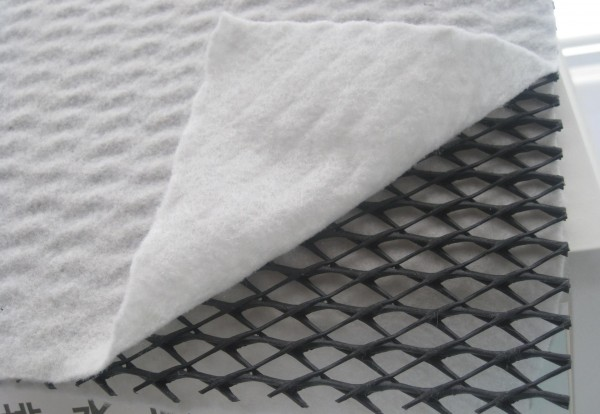
Effective engineering isn't just about meeting immediate specifications—it's about anticipating the unpredictable. Whether an infrastructure project in a tropical climate or a manufacturing system in a remote desert, the solutions we design must endure extreme conditions while requiring minimal maintenance. This demands a meticulous choice of materials, corrosion-resistant alloys, and adaptive frameworks that can evolve with shifting operational needs.
Global projects introduce a layer of complexity that goes beyond technical calculations. Supply chain uncertainties, local regulations, and skilled labor availability all influence the durability of an engineered system. Our approach integrates on-the-ground insights with rigorous simulation, ensuring that every component—from structural supports to digital control units—functions reliably across diverse sites. By stress-testing assumptions early, we prevent costly failures that emerge only under real-world stress.
True durability is measured not in years but in decades of consistent performance. That's why we embed redundancy and easy serviceability into core designs, reducing downtime even when unexpected wear occurs. Partnering with local teams, we transfer knowledge that empowers long-term upkeep, turning complex installations into sustainable assets that communities and industries can depend on for generations.
PET Geotextile Innovations Shaping Sustainable Construction
Modern construction demands materials that balance strength with environmental responsibility. PET geotextiles, crafted from recycled polyester fibers, are rising to this challenge by offering exceptional durability without the heavy carbon toll of traditional options. Their inherent resistance to biological degradation and chemicals means they maintain structural integrity in aggressive soil environments, from acidic wetlands to alkaline industrial sites. This longevity reduces the need for frequent replacements, directly cutting down on raw material consumption and on-site disruption.
One of the quieter breakthroughs is how PET geotextiles handle moisture. Unlike natural fibers that swell or rot, these synthetics manage water flow with precision—acting as a reliable filtration layer that prevents soil migration while letting water pass through easily. This is particularly vital in drainage systems beneath roads and retaining walls, where clogging can lead to costly failures. Engineers are now specifying PET-based composites that combine high tensile strength with permeability, eliminating the trade-offs that once plagued infrastructure projects.
The innovation doesn't stop at performance. Forward-thinking manufacturers are developing PET geotextiles that integrate seamlessly with living structures, such as green roofs and vegetated slopes. By providing a stable yet breathable anchor for root systems, they promote healthy plant growth while reinforcing the earth beneath. This fusion of technical fabric and natural ecosystems represents a genuine shift toward regenerative design—where the materials we build with actively contribute to the landscape rather than just imposing on it.
Exporting Expertise: Quality Geotextiles for Worldwide Applications
Our geotextile solutions are engineered to meet the rigorous demands of global infrastructure projects. From reinforcing coastal defenses in the Netherlands to stabilizing roadbeds in the Middle East, our products deliver consistent performance across diverse soil and climate conditions. We combine advanced manufacturing techniques with strict quality control to ensure each roll meets international standards, giving contractors confidence in every shipment.
With decades of export experience, we understand the complexities of international logistics and compliance. Our team works closely with clients to navigate customs, provide tailored documentation, and offer technical support in multiple languages. This seamless process means your project stays on schedule, no matter the destination. We don't just ship materials; we deliver reliability that builds lasting partnerships.
Sustainability is at the heart of our export strategy. By using recycled polymers where appropriate and optimizing packaging to reduce waste, we help customers achieve their environmental goals without compromising durability. Whether it's erosion control on sensitive slopes or drainage systems in urban developments, our geotextiles contribute to resilient, eco-conscious infrastructure worldwide.
Enhancing Road and Coastal Projects with High-Performance Fabrics
Modern infrastructure demands materials that can tackle both structural longevity and environmental stress. High-performance fabrics have quietly become the backbone of many road and coastal initiatives, offering a blend of strength and adaptability that traditional options simply can’t match. From stabilizing soft soils beneath asphalt to shielding shorelines from relentless erosion, these textiles fill a critical gap—working in tandem with natural and engineered systems to deliver solutions that hold up under heavy loads and harsh conditions.
In roadway construction, fabrics like geotextiles are placed between aggregate layers to keep them from mixing, preserving drainage and load distribution for decades. On coastlines, durable woven materials are deployed as part of revetments or hidden beneath breakwaters, absorbing wave energy and trapping sediment without disrupting marine habitats. The real advantage lies in their ability to be tailored: a single project might call for lightweight, permeable sheets for filtration, while another demands heavy-duty, UV-resistant barriers that withstand saltwater immersion.
Choosing the right fabric isn’t a one-size-fits-all move—it’s about understanding soil behavior, water flow, and long-term wear patterns. When integrated thoughtfully, these materials reduce maintenance cycles, extend project life, and often lower total costs compared to concrete-heavy alternatives. Field engineers increasingly rely on them not just for reinforcement, but as proactive tools that shape more resilient roads and living shorelines.
Customized Geotextile Solutions for Complex Terrain Challenges
Every terrain tells a different story—steep slopes, soft subgrades, or irregular rock formations demand more than just a standard roll of geotextile. Our approach begins with a thorough on-site assessment, mapping out pressure points, water flow patterns, and soil characteristics that commercial off-the-shelf products often overlook. From there, we craft reinforcement and separation layers precisely tailored to the nuances of your site, ensuring long-term stability without over-engineering the solution.
What sets these solutions apart is the marriage of advanced polymer technology with hands-on installation know-how. We select fibers and weave patterns based on tensile needs, puncture resistance, and drainage capacity, then test prototypes against real-world stress scenarios. Whether it’s a winding access road, a retaining wall behind uneven bedrock, or a landfill cap crossing multiple slope angles, the result is a geotextile layer that behaves predictably year after year, even under freeze-thaw cycles or heavy monsoon rains.
Beyond the technical specs, we focus on adaptability during construction itself. Complex terrain rarely matches the blueprint perfectly, so our team provides on-the-fly adjustments, custom panel sizes, and hybrid systems that blend separation, filtration, and reinforcement into a single seamless install. It’s geotextile engineering that doesn’t just meet the challenge—it reshapes the way you build on difficult ground.
FAQ
PET geotextile is a robust synthetic fabric made from polyester fibers. It stands out because of its high tensile strength, reliable filtration, and resistance to stretching under heavy loads. These qualities make it ideal for reinforcing soil, stabilizing roads, and protecting against erosion in large-scale projects worldwide.
We work with certified production facilities that run continuous quality checks throughout manufacturing. Batch samples are tested for strength, permeability, and durability before any container leaves the port. Our clients also receive detailed technical datasheets so they know exactly what they’re getting, every time.
You’ll see our materials in motorway construction, railway track bedding, retaining walls, landfills, and coastal defense systems. Any application where soil separation, drainage, or reinforcement is critical will see immediate and lasting improvements from our PET solutions.
Absolutely. PET fibers are naturally resistant to biological degradation, acids, and alkalis commonly found in soil. They perform reliably in freezing temperatures and under intense UV exposure when properly installed, which is why they’re specified for projects from tropical coasts to arid deserts.
We coordinate everything under one roof: packaging that minimizes volume, documentation that meets destination country standards, and preferred shipping routes through established freight partners. Most customers are surprised how smoothly their first order goes, and we keep them updated from loading to final delivery.
Customization is one of our strengths. We can adjust weight, width, roll length, and even incorporate additional properties like UV stabilization or fire retardancy based on your engineering specs. Just share your project parameters and we’ll propose an optimized fabric design.
Yes, because quicker installation, reduced aggregate thickness, and lower maintenance needs add up. The upfront material cost is often offset by shorter construction time and extended service life of the infrastructure. Many clients report significant savings compared to conventional methods.
Definitely. Our technical team stays involved beyond the sale. We offer installation guidelines, on-site supervision options, and remote support to troubleshoot any issues. The goal is to ensure the geotextile performs exactly as designed, giving you confidence from day one.
Conclusion
As a specialized PET geotextile exporter, we deliver high-performance solutions that underpin resilient infrastructure worldwide. Our advanced polyester fabrics unlock long-term stability in soil reinforcement, drainage, and erosion control, addressing the most demanding global project requirements. By combining engineered durability with sustainable manufacturing, these geotextiles help shape environmentally responsible construction practices—reducing carbon footprints while extending asset lifespans. Innovations in material science allow us to produce robust, UV-resistant fabrics that perform reliably under harsh conditions, from heavy traffic loads to aggressive chemical exposure.
Our expertise extends beyond manufacturing: we export quality-assured geotextiles tailored to diverse international applications. Whether reinforcing coastal defenses against storm surges, stabilizing road bases in mountainous regions, or protecting riverbanks, our fabrics enhance project integrity with minimal maintenance. We also provide customized solutions for complex terrain challenges, adapting weight, strength, and permeability to site-specific needs. By partnering with contractors and engineers globally, we ensure that every roll of geotextile meets stringent technical specifications, facilitating smoother construction workflows and sustainable outcomes. From coastal revetments to remote access roads, our PET geotextiles deliver dependable performance, driving infrastructure resilience across continents.
Contact Us
Contact Person: Jennifer LEE
Email: [email protected]
Tel/WhatsApp: 8618553418999
Website: https://vip.e-baixing.com/wenfengshitong