Professional Modacrylic Fabric: Unveiling Its Superior Properties and Versatile Uses
2026-07-07
When it comes to protective textiles, modacrylic fabrics often fly under the radar—yet they quietly outperform in some of the most demanding environments. From flame-resistant workwear to cozy faux fur, this synthetic fiber blends safety, comfort, and surprising versatility. At DROTEX, we’ve spent years perfecting modacrylic solutions that push these boundaries even further. In this post, we’ll strip away the jargon and explore what makes professional-grade modacrylic a quiet powerhouse, and why it might just be the missing piece in your next project.
The Flame-Resistant Secret of Modacrylic
Modacrylic fibers owe their flame-resistant nature to a clever bit of chemistry built right into the polymer chain. Unlike treated fabrics that rely on surface finishes which can wash or wear away, modacrylic is inherently flame-retardant. The secret lies in its composition: copolymers of acrylonitrile combined with halogen-containing monomers, typically vinyl chloride or vinylidene chloride. When exposed to flame, these halogen groups release non-flammable gases that disrupt the combustion cycle, effectively snuffing out the fire before it can spread. This intrinsic safety mechanism doesn't just sit on the surface—it's part of every single fiber, ensuring consistent protection throughout the life of the garment.
Another key aspect is how modacrylic behaves under extreme heat. Rather than melting or dripping—which can cause severe burns—the fiber chars and forms a protective barrier. This charring self-extinguishes once the ignition source is removed, thanks to the synergistic effect between the halogen compounds and other additives like antimony oxide. It's a carefully balanced formula: the fiber releases flame-quenching radicals at the right temperature and rate, while maintaining structural integrity. This balance is what makes modacrylic a reliable choice for protective clothing in industries where fire hazards are a daily reality, from petrochemical plants to firefighting gear.
What sets modacrylic apart is how it combines safety with everyday wearability. The flame resistance doesn't come at the cost of comfort or aesthetics. These fibers can be dyed in vivid colors, hold their shape well, and feel soft against the skin—qualities not always associated with technical textiles. Moreover, modacrylic blends beautifully with other fibers, allowing the creation of fabrics that are not only fire-resistant but also comfortable, durable, and even stylish. This versatility means that protective clothing doesn't have to look or feel like armor; it can be as approachable as a cozy sweater while still meeting stringent safety standards.
How Modacrylic Outperforms Traditional Fibers
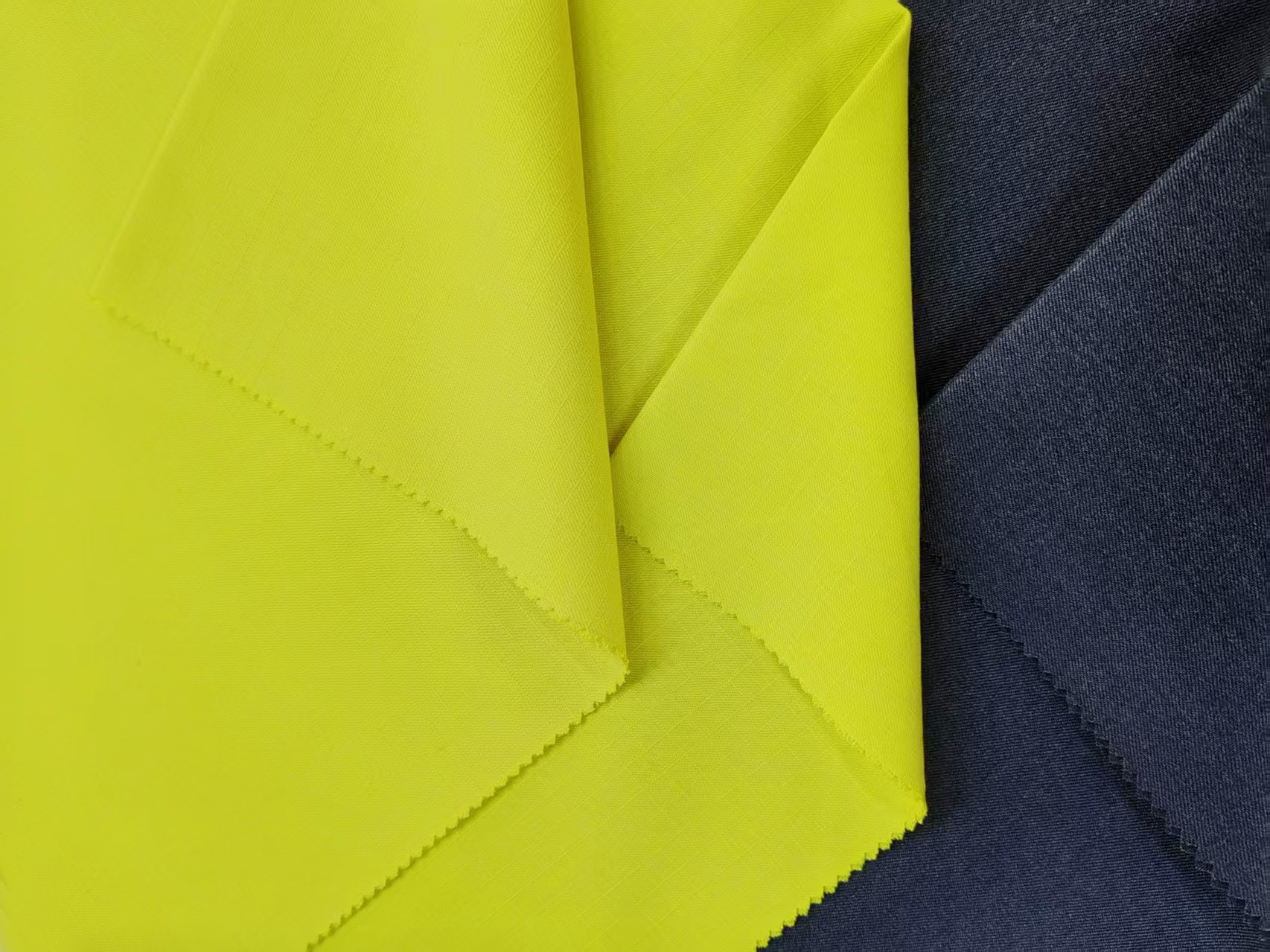
Modacrylic fibers hold their own in ways that natural and many synthetic materials simply can’t match. One of the standout differences is their inherent flame resistance—unlike cotton or polyester, modacrylic won’t ignite easily and self-extinguishes when the heat source is removed. This isn’t a surface treatment that washes away; it’s built into the fiber itself, making it a reliable choice for protective clothing that needs to stay flame-retardant through years of laundering and wear.
Beyond fire safety, modacrylic offers a soft, wool-like feel without the itchiness or care demands. Traditional wool can be heavy, shrink, and require gentle handling, while modacrylic keeps its shape and resists mildew, moths, and chemical degradation. It also dries quickly and holds color with remarkable vibrancy, which means fabrics look newer longer—even after repeated exposure to sunlight, cleaning agents, or harsh weather conditions that would fade and weaken other fibers.
Performance in demanding environments is where modacrylic truly separates itself. It blends easily with other materials to enhance comfort and durability, but it also stands alone in protecting against electric arc flashes and molten metal splashes—risks that cause everyday synthetics to melt or burn onto skin. This inherent resistance, paired with a lightweight structure that doesn’t sacrifice insulation, makes it a smarter alternative for everyone from industrial workers to outdoor enthusiasts who need gear that prioritizes safety without compromising on comfort.
From Protective Gear to Fashion: Unexpected Applications
It’s a curious twist of fate when gear designed to shield us from harm starts appearing on runways and city streets. Take the humble balaclava, originally a utilitarian garment for soldiers and motorcyclists braving harsh conditions. In recent years, it’s been reimagined in cashmere and bold hues, popping up in high-end collections and street style—no longer just a tool for anonymity or warmth, but a statement piece that blurs the line between concealment and self-expression.
The crossover runs deeper than you’d expect. Cut-resistant fabrics, born from industrial safety needs, now shape avant-garde jackets and futuristic accessories. Kevlar, synonymous with bulletproof vests, has been woven into sleek backpacks and premium denim, offering a whisper of protection without the tactical look. Even heavy-duty utility belts and harnesses—once the domain of construction workers and climbers—have been stripped of their clunky hardware and refined into minimalist fashion that speaks to a desire for function without sacrificing form.
Perhaps the most compelling shift happened after face masks became a daily essential. What started as a medical necessity quickly morphed into a canvas for creativity, with designers experimenting in silk, lace, and intricate embroidery. The mask transformed from a sterile barrier into a personal emblem, proving that even the most practical protective gear can become a medium for art, identity, and unexpected beauty.
Softness Meets Strength: The Comfort Factor
We’ve all felt that instant relief when slipping into something soft—a well-worn tee, a cozy blanket. But true comfort goes deeper than surface fluff. It’s a quiet strength woven right in, a fabric that cradles without collapsing. That’s the sweet spot where plush texture and lasting support coexist, turning everyday routines into effortless moments.
Think of a favorite chair that still holds its shape after years, or a jacket that moves with you instead of against you. This balance isn’t accidental; it’s the outcome of careful material selection and thoughtful construction. Fibers that flex gently under pressure yet rebound without fatigue, seams designed to be felt as little as possible—details that let you forget you’re wearing anything at all.
When softness meets strength, comfort grows functional. It becomes a layer of quiet confidence, whether you're navigating a packed morning commute or unwinding after a long day. This blend doesn’t just feel good—it works smart, adapting to your rhythm without demanding attention. That’s the real comfort: presence without weight.
Why Modacrylic Is a Top Choice for Harsh Environments
Modacrylic fibers stand out in demanding settings thanks to their inherent flame resistance, which doesn’t wash out or wear away over time. Unlike treated fabrics that lose their protective qualities after repeated laundering, modacrylic maintains its self-extinguishing properties permanently. This makes it especially valuable in industries like oil and gas, firefighting, and electrical work, where sudden heat and flame are constant risks. The fiber chars and forms a barrier when exposed to fire, preventing further combustion and giving workers precious extra seconds to escape danger.
Beyond fire protection, modacrylic offers remarkable resistance to chemicals and UV degradation. Many synthetic fabrics break down when regularly exposed to harsh acids, alkalis, or prolonged sunlight, but modacrylic retains its strength and color even in corrosive or outdoor environments. Its low moisture absorbency also means it dries quickly and resists mildew, which is a clear advantage in humid or wet conditions. This combination of durability against multiple stressors reduces the need for frequent replacement, lowering long-term costs for employers.
Comfort is another often overlooked factor in protective apparel, and modacrylic delivers here as well. The fiber is lightweight, soft, and blends well with other materials like cotton or aramid to enhance breathability and feel. Workers facing long shifts in hazardous conditions benefit from garments that don’t sacrifice comfort for safety. Moreover, modacrylic’s natural insulation properties help regulate body temperature, adding a layer of practicality in both hot and cold extremes. These attributes collectively explain why it remains a go-to material for anyone operating in unforgiving environments.
Easy Care, Long Life: Maintenance Uncovered
Designing something that demands minimal effort yet endures for years isn’t magic—it’s about sweating the small stuff so you don’t have to. We’ve stripped away the usual headaches: no specialized tools, no mysterious routines that only a technician can decode. Instead, every component that might need attention is positioned with a kind of stubborn accessibility, so a quick wipe-down or a simple check becomes instinctive rather than a chore. The materials themselves do a lot of the heavy lifting—selected not just for their good looks, but for a quiet resistance to scuffs, stains, and the slow wear of daily use.
What really keeps things humming along isn’t some secret formula; it’s just good, honest engineering that respects your time. Sealed bearings keep out dust before it becomes a problem, and surfaces are treated to repel the grime that builds up from hands and environments. You’ll spot the difference in the lack of crevices where dirt can hide, and in the way that moving parts slide or turn with a satisfying smoothness that doesn’t degrade after a few months. It’s the kind of thoughtful design that anticipates neglect—because real life gets busy—and quietly forgives it.
Longevity comes from this straightforward partnership: you provide the bare minimum of care, and the object returns the favor year after year. We’ve included clear, jargon-free guidance—more like friendly advice than a manual—so you’ll know exactly when to give it a quick once-over and when to leave it alone. It’s not about rigid schedules or expensive consumables; it’s about building a relationship with something that’s genuinely low-maintenance by design. And that’s the uncovered truth: simplicity in upkeep is the quiet backbone of durability.
FAQ
Modacrylic fiber is a type of synthetic copolymer composed mainly of acrylonitrile combined with other monomers like vinyl chloride. It's produced through a wet or dry spinning process where the polymer solution is extruded into filaments, then stretched, washed, and crimped to create a soft, wool-like texture with inherent flame resistance.
Unlike fabrics that rely on topical chemical treatments that can wash out or degrade, modacrylic's flame resistance is built into its polymer chain. The vinyl chloride co-monomer releases flame-quenching gases when exposed to heat, and the fiber forms a char barrier that doesn't melt or drip, providing permanent protection without losing efficacy over time.
Its combination of permanent flame resistance, high abrasion resistance, excellent colorfastness, and a soft, comfortable feel sets it apart. It also resists common chemicals, acids, and alkalis, while maintaining thermal insulation and moisture management, making it ideal for demanding environments like oil and gas, electrical utilities, and firefighting gear.
Absolutely. Its plush hand and inherent flame resistance make it popular for faux fur in high-end plush toys, theatrical costumes, and home textiles like blankets and upholstery. It's also found in wigs and hairpieces due to its heat stylability, and in acoustic panels because of its sound-dampening qualities and fire safety code compliance.
Machine wash in warm water with a mild detergent and avoid bleach or fabric softeners, which can coat fibers and reduce flame resistance. Tumble dry on low heat or line dry; if ironing is needed, use a synthetic setting. Always check the garment's care label, but generally, modacrylic holds up well to industrial laundering, making it practical for workwear rental services.
While it's a synthetic, petroleum-based fiber, modacrylic's durability and long lifecycle reduce replacement frequency. Some manufacturers now incorporate recycled content or are exploring closed-loop production to reclaim solvents. Research into biodegradable modacrylic variants is ongoing, and at end-of-life, it can be incinerated for energy recovery without releasing toxic byproducts, though recycling infrastructure remains limited.
Conclusion
Modacrylic fabric stands out for its permanent flame resistance, a feature engineered directly into the fiber's polymer chain rather than applied as a surface treatment. This inherent quality means the protection will never wash out, peel off, or diminish over time, giving it a clear edge over conventionally treated textiles. Alongside its fire-retardant properties, modacrylic demonstrates superior resistance to chemicals, abrasion, and sunlight, outperforming many traditional fibers in durability. Despite this ruggedness, the fabric surprises with a soft, wool-like hand and excellent drape, ensuring that protective clothing can be genuinely comfortable. The fiber's ability to balance softness with high tensile strength makes it ideal for garments that must shield without chafing, even during extended wear.
Beyond safety applications, modacrylic finds its way into diverse fields—from military uniforms and industrial workwear to chic outerwear and faux-fur accessories. Its capacity to withstand harsh environments, including extreme cold and exposure to corrosive substances, makes it a trusted choice for arctic gear and chemical-handling clothing. Moreover, caring for modacrylic is remarkably simple: it is machine washable, dries quickly, and retains its shape and color after countless cycles, which significantly extends the lifespan of the final product. This unique fusion of everlasting protection, all-day comfort, and effortless maintenance positions modacrylic as an exceptional material for both performance-critical and everyday uses.
Contact Us
Contact Person: Sandy
Email: [email protected]
Tel/WhatsApp: 86150 8310 5120
Website: https://www.frdrotex.com