

Professional Ultrasonic Cavitation Machine: The Ultimate Tool for Non-Invasive Fat Reduction
2026-08-08
Imagine shedding stubborn fat without surgery, needles, or downtime. That's the promise of a professional ultrasonic cavitation machine—a breakthrough in non-invasive body contouring that’s transforming the beauty industry. Whether you’re a clinic owner seeking the next big thing or a beauty enthusiast tired of endless crunches, this technology offers a real solution. At the forefront is Omeina, a brand that’s redefining what’s possible with targeted fat reduction. But how exactly does it work, and what sets a top-tier machine apart from the rest? Let’s dive into the science and secrets behind the ultimate tool for sculpting your ideal silhouette.
How Ultrasonic Waves Disrupt Fat Cells Without Surgery
Ultrasonic waves, or ultrasound, used in non-invasive body contouring operate on a simple yet clever principle: they deliver focused sound energy deep into the subcutaneous fat layer without harming the skin or surrounding tissues. This energy causes rapid pressure fluctuations within the fat cells, creating microscopic bubbles that expand and collapse violently—a phenomenon known as cavitation. As these bubbles implode, they generate shock waves that mechanically disrupt the structural integrity of adipocyte membranes, effectively breaking down the cells into a liquid emulsion.
Once the fat cell membranes are ruptured, the released triglycerides and cellular debris are no longer viable as storage units. The body recognizes these remnants as waste and processes them through the lymphatic system, eventually metabolizing them in the liver and excreting them naturally. Unlike surgical liposuction, which physically suctions out fat, ultrasound therapy triggers a biological cleanup crew that gradually flushes out the destroyed fat over several weeks, making the process far less traumatic and downtime-free.
What makes ultrasound particularly clever is its selective targeting. Fat cells resonate at a different frequency than skin, blood vessels, or nerves, so the acoustic energy can be tuned to disrupt only adipocytes while leaving critical structures intact. This precision is why patients might feel a warm sensation but no real pain, and why the overlying skin stays smooth and uninjured. The result is a measurable reduction in local fat deposits without a single incision—just the body’s own waste disposal system quietly eliminating what the sound waves have shattered.
Why This Device Delivers Consistent, Visible Contouring
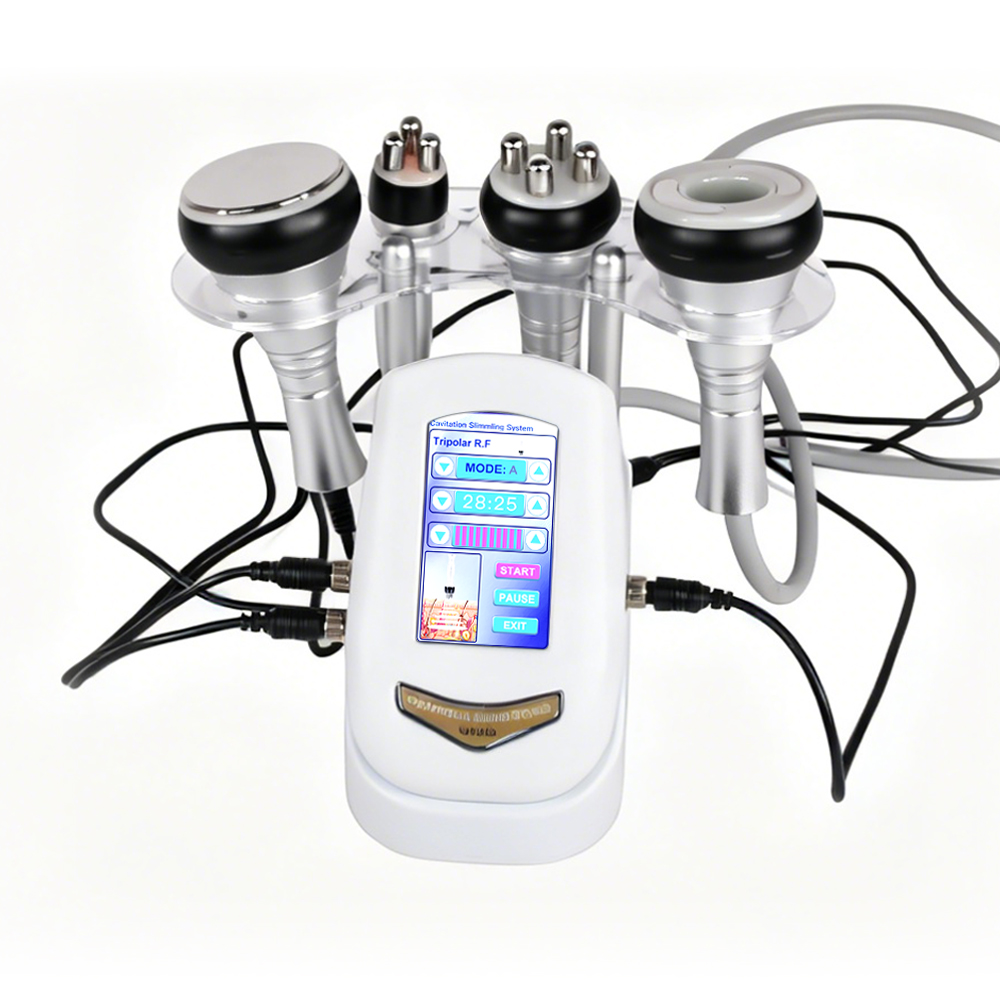
The secret lies in the device’s adaptive pressure sensing technology. Unlike basic tools that rely on a fixed intensity, this device reads your skin’s resistance in real time. It adjusts the microcurrent and sonic pulses automatically, so that every glide across your jawline or cheekbone maintains just the right level of stimulation. You don’t have to guess if you’re pressing too hard or too lightly—the device calibrates itself to ensure each session delivers uniform contouring that you can actually see in the mirror over time.
Another factor is the ergonomic head design, which hugs facial curves instead of skipping over them. The angled tip and contoured surface make it effortless to reach hollows and edges that other devices miss. Whether you’re working along the brow bone or beneath the chin, the head stays in constant contact, channeling energy exactly where it’s needed. This prevents patchy results and helps sculpt a more defined, symmetrical appearance without repeated passes or frustration.
Consistency also comes from the built-in timer and guided pacing system. A subtle vibration every 30 seconds reminds you to shift to the next zone, so you’re never overworking one area or neglecting another. The device tracks usage patterns and adapts its regimen to your habits, subtly increasing challenge as your muscles become more responsive. The result isn’t just a temporary lift—it’s a progressively refined contour that looks natural because it builds on your own facial structure.
The Technology That Targets Stubborn Areas Others Miss
Most solutions out there take a broad, one-size-fits-all approach, glazing over the spots that actually need the most attention. This technology flips that logic by honing in on specific, often-overlooked zones—like the lower belly, inner thighs, or under the chin—where fat and laxity stubbornly hang on no matter how hard you work. It’s not about blanket coverage; it’s about precision delivery, hitting those pockets with calibrated energy that sidesteps the surrounding tissue entirely.
The real breakthrough lies in how it maps and adapts to your body’s unique landscape. Instead of following a preset grid, it uses dynamic feedback loops to read subtle variations in skin density, hydration, and tissue resistance. That means the treatment isn’t just blasting away—it’s actively listening, adjusting in real time so that every pulse counts exactly where it’s needed. It’s the difference between painting with a roller and retouching with a fine-tipped brush.
What makes it stand out is the focus on areas that are notoriously slow to respond—the spots that yoga, diet, and even other devices glance over. By channeling effort into these localized regions, it creates a visible shift where generic methods plateau. Users often notice contour changes in places they’d long given up on, not because they’re doing more, but because the technology is finally doing something smarter.
What a Treatment Session Actually Feels Like
Walking into the treatment room, the air feels a little different—softer, maybe, with a faint scent of something herbal or clean linen. Your practitioner greets you with a calm, unhurried voice, and you settle onto the table. The initial touch is light, almost tentative, as they map out the landscape of your body or mind. You might notice your own breathing slowing down, matching the quiet rhythm they set. There’s a moment of awkwardness when a tender spot is found—a wince, a pause—but it’s handled with a gentle word or an adjusted angle, turning discomfort into a point of release you didn’t know you needed.
Midway through, the room seems to fade. You’re no longer cataloging sounds or counting minutes. Instead, a strange warmth spreads from the area being worked on, traveling along muscles or dissolving a knot of tension you’d long accepted as permanent. If it’s a talk-based session, a similar shift happens—a phrase or a silence lands in a way that makes you feel seen, not analyzed. Tears might surface without warning, or a laugh, and neither feels out of place. It’s like your body’s own currents start to unkink, and for the first time in ages, you’re fully inside your own skin rather than dragging it behind you.
As things wind down, you’re left in a heavy, dreamlike state. The practitioner’s voice drifts in, soft suggestions to move slowly, to drink water, to let the work settle. Standing up feels foreign; you’re steadier but lighter, as if your limbs have been retuned. The ride home is quiet—you notice colors outside the window more vividly, or you lose track of time entirely. Later, you might feel a gentle ache, a productive soreness, or an unexpected flood of energy. Whatever it is, it’s a reminder that something shifted beneath the surface, beyond the reach of everyday words.
Real Results: Timeline and What to Expect After Sessions
Right after your session, you might notice a subtle shift—maybe a bit of mental clarity or a physical looseness that wasn’t there before. It’s not unusual to feel tired as your body starts processing the work, but that fatigue often clears within a day or two, leaving you feeling more centered.
By the first week, the real changes start to surface. Sleep patterns may improve, old aches begin to fade, and you could find yourself reacting less to stressors that normally throw you off. This is when the foundational shifts happen, even if they’re too quiet to see at first glance.
Give it a month or two, and the results compound. Posture corrections hold without effort, emotional resilience becomes your new baseline, and you realize you’re simply moving through life with less resistance. The timeline varies, but the trajectory is remarkably consistent—small gains layer into lasting transformation.
Who Should Choose Cavitation Over Traditional Liposuction
If the thought of surgery makes you uneasy yet you’re determined to refine stubborn pockets of fat, cavitation might be your ideal path. Unlike traditional liposuction, which involves incisions and anesthesia, this ultrasound-based method works externally—no scalpels, no scars. It appeals especially to those who prioritize minimal downtime; you can head back to your daily routine right after a session without needing weeks of recovery. It’s a gentle nudge for your body rather than an aggressive intervention, suiting people who are already close to their goal weight but struggle with areas like the abdomen, thighs, or upper arms that resist diet and exercise.
Cavitation also fits seamlessly into a busy lifestyle where long healing periods aren’t an option. It’s a choice for realists—individuals who understand this isn’t a weight-loss miracle but a contouring tool. If you’re committed to maintaining a healthy routine and simply want to smooth out uneven textures without the risks that come with anesthesia or infection, this treatment aligns with that mindset. There’s a psychological comfort in avoiding the operating room, and many find the gradual, natural-looking results more appealing than the sometimes dramatic and sudden changes from surgery.
Another group that leans toward cavitation includes those with mild skin laxity, as the treatment can subtly stimulate collagen while breaking down fat cells. Traditional liposuction, on the other hand, can occasionally leave skin looking loose if it doesn’t retract well. Cavitation’s gentler approach may be safer for people with certain medical conditions that make surgery risky, though a consultation with a professional is always essential. In essence, it’s for the person who values a non-invasive route with less stress on the body and a preference for gradual, discreet improvement.
FAQ
It uses low-frequency sound waves to create tiny bubbles within fat cells. These bubbles grow and then implode, causing the fat cell membranes to rupture. The released fat is then processed naturally by the body's lymphatic system.
Professional machines operate at higher power and specific frequencies, penetrating deeper with greater precision. They deliver faster, more noticeable results in fewer sessions because the energy output is calibrated for clinical use, unlike the weaker, less focused home units.
The destroyed fat cells are permanently removed and won't regenerate. However, remaining fat cells can still expand if you gain weight, so maintaining a stable lifestyle is key to preserving the contoured results.
It’s particularly effective on stubborn pockets like the abdomen, love handles, thighs, and upper arms. These areas often hold diet-resistant fat that responds well to the mechanical disruption caused by cavitation.
Most people feel a gentle warmth and a mild buzzing sensation under the skin. It's generally comfortable and non-invasive, with no downtime—you can return to daily activities right after the session.
Visible changes are often noticed after 3 to 6 sessions, spaced about a week apart. A full treatment plan usually ranges from 8 to 12 sessions, depending on the individual's goals and the area's size.
It works best for individuals close to their ideal weight who have localized fat deposits that don't budge with exercise. It’s not a weight-loss solution for obesity but a body-sculpting method for targeted contouring.
Conclusion
Ultrasonic cavitation has transformed body contouring by offering a way to break down stubborn fat without incisions or downtime. The machine emits low-frequency sound waves that penetrate the skin, targeting fat cells beneath the surface. These waves create tiny bubbles within the fat cells, causing them to expand and eventually rupture. The released fatty acids are then naturally processed by the body's lymphatic system. What sets this professional device apart is its precise calibration—it zeros in on localized pockets that diet and exercise often overlook, such as the abdomen, thighs, and arms. Unlike other gadgets that scatter energy, its focused emission ensures every session works on the intended area, making results more predictable and visible from the first few treatments.
During a session, most people feel a gentle warmth and a mild buzzing, with no need for anesthesia or recovery time. Many compare it to a deep-tissue massage that leaves the skin feeling tighter and smoother immediately afterward. Progress unfolds over a few weeks as the body flushes out the released lipids, with optimal results typically seen after four to eight sessions spaced a week apart. For those who are close to their ideal weight but struggle with resistant bulges, this approach is a practical alternative to surgical liposuction. It avoids the risks of scarring, infection, and prolonged healing while still delivering meaningful contouring. Ultimately, it's a smart choice for anyone seeking a non-invasive route to a more sculpted silhouette, especially when combined with a healthy lifestyle.
Contact Us
Contact Person: Tina Liu
Email: [email protected]
Tel/WhatsApp: 8618681405932
Website: https://www.omeinabeauty.com/