
Reliable Street Furniture: Essentials for Durable and Inviting Public Spaces
2026-07-21
Creating public spaces that stand the test of time starts with the right choices—especially when it comes to street furniture. Every bench, bin, and bollard must balance resilience with aesthetic appeal, subtly shaping the way people experience their surroundings. Yet, durability often feels at odds with design. This is where thoughtful planning meets innovation. At zemso, the focus has always been on crafting solutions that harmonize these elements, ensuring public areas remain both functional and welcoming. Curious about what truly makes street furniture reliable? Let’s explore the essentials that transform ordinary spaces into enduring, inviting hubs.
Built to Last: Choosing Weather-Proof Materials for City Furniture
City furniture faces a constant battle against the elements. From scorching sun to freezing rain, the materials chosen must withstand extreme temperature shifts, moisture, and UV exposure without compromising structural integrity or appearance. Smart material selection isn't just about durability—it's about creating pieces that age gracefully while minimizing maintenance costs. Stainless steel with high molybdenum content, powder-coated aluminum, and marine-grade polymers have become go-to solutions, each offering unique resistance to corrosion and fading.
Timber remains a popular choice for its natural warmth, but only when properly treated or naturally durable species like teak or thermally modified ash enter the picture. These woods resist rot and insect damage while developing a distinguished patina over time. Pairing them with galvanized steel fasteners prevents unsightly rust stains that can ruin otherwise impeccable designs. For seating surfaces, innovative recycled plastic lumber provides consistent performance without the splintering or warping common in traditional wood.
The true test of weather-proof materials lies in real-world performance across diverse climates. Cities like Copenhagen and Singapore, with their salty sea air and intense humidity, have pioneered specifications that now influence global standards. Modern coatings with ceramic or fluoropolymer bases create a molecular barrier that sheds water and pollutants, keeping furniture looking fresh years after installation. When materials are chosen with both function and environmental impact in mind, city furniture becomes a lasting investment rather than a recurring expense.
Seating That Sparks Conversation: Designing for Social Connection
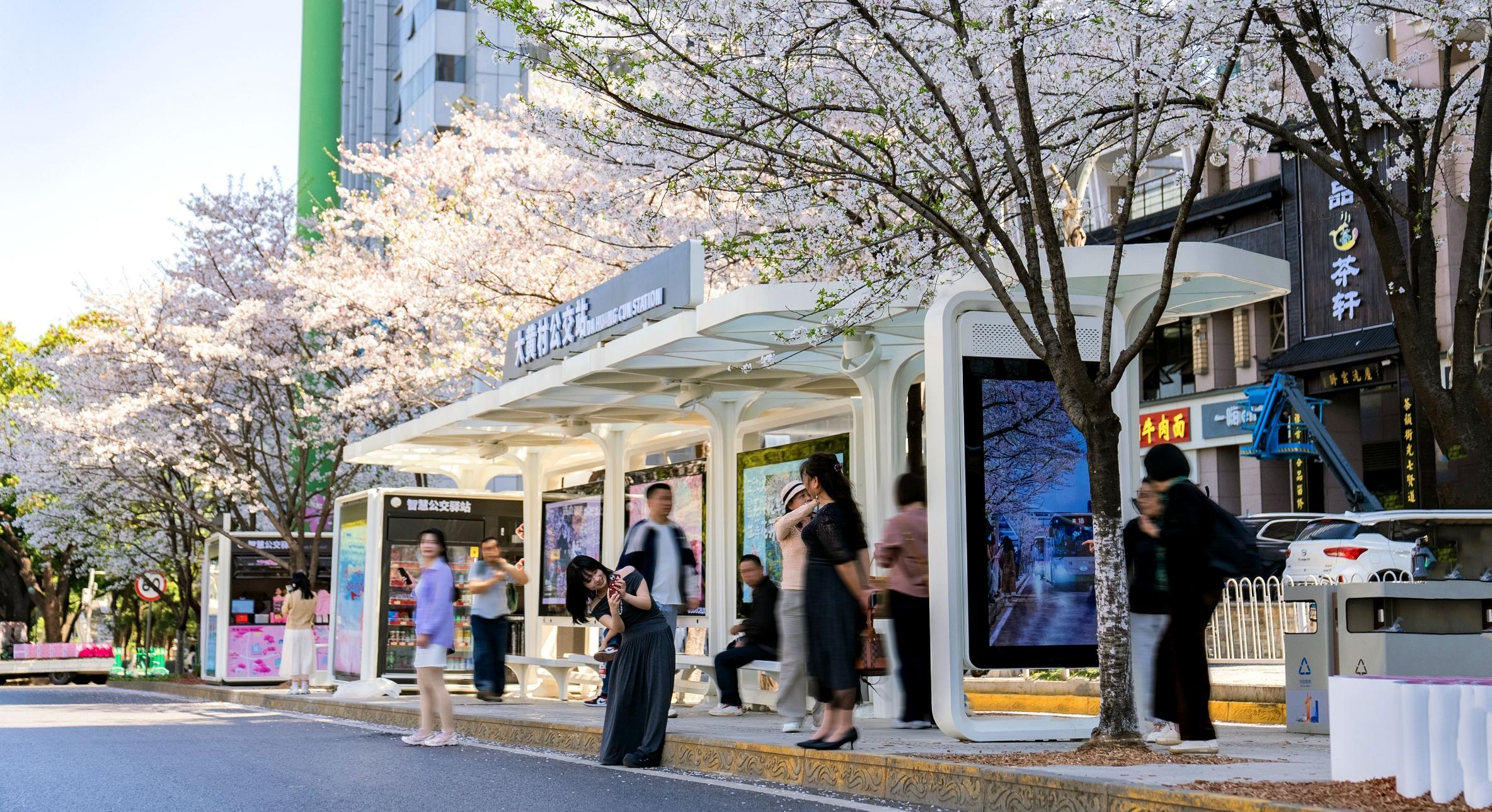
The arrangement of chairs in a room does more than fill space—it sets the stage for human interaction. When seating is thoughtfully clustered in small, intimate groupings, it invites guests to lean in and share stories rather than shout across a void. Curved sofas, paired armchairs angled toward one another, and movable ottomans all work to dissolve the invisible barriers that keep strangers apart. By steering clear of rigid, theater-style rows, designers can transform a lounge or lobby into a living room where conversation feels natural, not forced.
Materials and scale also play a quiet but powerful role in fostering dialogue. A low-backed bench upholstered in soft wool encourages lingering, while hard, narrow perches send a clear signal to move along. When pieces are proportionate to the human body—neither too deep to escape nor too shallow to relax—they create a holding environment where people want to stay. Layering these elements with warm lighting and accessible side tables turns a corner into a destination, subtly nudging visitors to connect without a single word being spoken.
Perhaps the most overlooked element is the power of the unexpected. A circular banquette that breaks the tyranny of the right angle, or a pair of chairs that face a shared, sculptural object instead of each other, can spark curiosity and break the ice. These design “accidents” give people permission to comment, to ask questions, and to bond over a shared moment of discovery. In a world where screens dominate our attention, furniture that prompts even a fleeting exchange is a quiet rebellion—one that reclaims the lost art of conversation.
Form Follows Function: Multi-Purpose Pieces for Dynamic Plazas
In the heart of a bustling plaza, every bench, planter, and lighting fixture carries a responsibility beyond its primary role. The principle of form follows function takes on a layered meaning here—these elements must not only serve their immediate purpose but also adapt to the shifting rhythms of public life. A seating arrangement might double as a stage for impromptu performances, while a sculptural shade structure becomes a meeting point and a canvas for projected art at night. This fusion of utility and versatility transforms static objects into active participants in the urban experience.
Designing for dynamic plazas means anticipating the unpredictable. A single piece might need to accommodate a solitary reader at dawn, a lunch crowd at noon, and a spontaneous concert by evening. Modular components that can be easily reconfigured allow communities to reshape their environment according to need. Materials are chosen not just for durability but for the way they age gracefully under constant use, gaining character rather than wearing out. The goal is to create pieces that feel almost intuitive, inviting people to sit, climb, lean, or gather without overthinking the invitation.
When multi-purpose design succeeds, the plaza becomes more than a throughway—it becomes a destination. These pieces facilitate informal encounters and foster a sense of ownership among residents. A well-placed ledge can serve as a market stall on weekends, a perch for watching street performers, or simply a spot to pause and observe the city’s flow. By stripping away the strictly prescriptive, designers make room for human creativity, ensuring that the space never feels fixed but instead evolves alongside the people who animate it.
The Art of Low-Effort Upkeep: Keeping Public Fixtures Fresh Year-Round
Public spaces thrive when benches, planters, and signage look crisp without draining maintenance budgets. The trick isn’t more labor—it’s smarter material choices. Powder-coated steel resists graffiti and rust with a simple wipe-down, while composite decking fends off rot without annual sealing. Pair these with a quarterly rinse schedule, and you sidestep the scramble of seasonal overhauls. Communities often overcomplicate upkeep, forgetting that the right finish can do half the work for them.
Strategic placement shapes longevity more than folks realize. A trash bin tucked under an eave stays cleaner than one fully exposed; a planter bed lined with slow-release fertilizer capsules blooms reliably with monthly watering. It’s about weaving maintenance into daily rhythms—maintenance crews spot-peeling faded decals during regular rounds, volunteers swapping out annuals during a Saturday coffee walk. When care feels organic rather than scheduled, fixtures stay inviting without anyone burning out.
Safe Havens: Integrating Visibility and Comfort for Peace of Mind
Thoughtfully designed spaces that balance transparency with warmth invite a deep sense of security. When a room offers clear sightlines—whether through open layouts or carefully placed mirrors—it naturally eases the subconscious need to scan for threats, allowing the mind to settle. Yet visibility alone isn't enough; it's the layered presence of soft textures, gentle lighting, and tailored acoustics that wrap around you like a comforting blanket, transforming a mere line of sight into a lived experience of safety.
The interplay between being seen and feeling sheltered is delicate. A cozy nook with a wide window lets you watch the world without being exposed, while strategic partitions create zones of privacy that still connect to the larger space. This design philosophy rejects harsh lines and cold surfaces, instead favoring materials that absorb sound and light in ways that mimic nature's protective hollows. The result is an environment where you can let your guard down, confident that your surroundings are both alert and embracing.
True peace of mind emerges when architecture becomes a silent ally. By weaving visibility into the fabric of comfort—think of a reading corner bathed in daylight yet shielded from drafts, or a workspace with a serene view that doesn't sacrifice ergonomic support—we craft refuges that restore. These safe havens don't just shelter the body; they make the mind feel at home.
Eco-Smart Installations: Sustainable Picks That Don’t Sacrifice Style
Embracing sustainability doesn't mean you have to settle for bulky, unattractive gadgets. Today's eco-smart installations blend seamlessly into modern interiors, proving that green living can be effortlessly chic. From solar-powered lighting systems that mimic the soft glow of candlelight to smart thermostats encased in brushed metal finishes, these picks are designed to enhance your space while reducing your carbon footprint.
One standout is the integration of smart irrigation controllers that pair with sleek, minimalist outdoor fixtures. These systems use real-time weather data to water your garden exactly when needed, avoiding waste and keeping your landscape lush. The hardware itself often features clean lines and neutral tones, disappearing into the garden rather than sticking out.
For indoor spaces, consider energy-efficient smart blinds that adjust automatically to optimize natural light and insulation. Available in natural bamboo or recycled fabric, they add texture and warmth to any room. Paired with a voice-controlled hub, they make saving energy feel like a luxury, not a compromise.
FAQ
Reliability comes from robust materials like powder-coated steel or stainless steel, vandal-resistant fasteners, and thoughtful design that withstands weather and heavy use without frequent repairs.
Investing in weather-resistant hardwoods or recycled plastic composites reduces fading, cracking, and rot, leading to lower replacement frequency and minimal upkeep over decades.
Accessible benches with armrests, varied heights, and clear space for wheelchairs ensure people of all ages and abilities can rest comfortably, fostering a sense of community and care.
Simple, clean lines with subtle textures age gracefully, while modular components allow easy updates—avoiding trendy shapes that feel dated in a few years.
Well-placed bollards define pedestrian zones and block vehicles, but with integrated lighting or artistic cast-iron details, they also enhance nighttime ambiance and local character.
Muted earth tones blend naturally into landscapes, while strategic pops of vibrant hue—like on chair backs or table edges—draw people in without overwhelming the setting.
Absolutely—recycled materials like ocean-bound plastics turned into sturdy planks, or FSC-certified timber with eco-sealants, offer longevity while reducing environmental footprint.
Benches with built-in planters, bike racks that double as leaning rails, or tables with solar charging points serve multiple needs without cluttering pathways, making every square foot count.
Conclusion
Reliable street furniture goes beyond mere utility; it shapes how people experience public spaces. Selecting materials that stand up to rain, sun, and constant use—think powder-coated steel, treated hardwoods, or recycled composites—ensures that benches, tables, and shelters remain inviting for years rather than becoming eyesores. Thoughtful design also turns simple seating into hubs of social interaction: curved arrangements, integrated planters, and movable chairs encourage strangers to become neighbours, fostering a sense of community in plazas and parks. At the same time, versatility cannot be overlooked. Multi-purpose pieces like modular seating, retractable bollards, or planter-benches adapt to markets, performances, or quiet afternoons, proving that smart design can serve diverse needs without cluttering the landscape.
Long-term appeal, however, relies on effortless maintenance and a commitment to safety. Coatings that resist graffiti, self-draining surfaces, and joint-free construction minimize cleaning and repairs, keeping fixtures fresh without draining municipal budgets. Equally important is the sense of security that comes from open sightlines, well-lit areas, and ergonomic forms that welcome people of all ages. Finally, sustainability is no longer an afterthought: eco-smart installations using recycled materials, solar-powered lighting, or permeable bases blend responsibility with refined aesthetics. Together, these elements create public spaces that feel cared for, inclusive, and enduring—proof that the best street furniture quietly elevates everyday life while standing up to the elements and the test of time.
Contact Us
Contact Person: Leo
Email: [email protected]
Tel/WhatsApp: +86 18901905138
Website: https://www.zemsogroup.com/