Skin Beauty Device How to Choose the Right One for Your Skin
2026-08-17
Choosing a skin beauty device can feel overwhelming—LED masks, microcurrent wands, ultrasonic scrubbers all promise glow, but few explain who they’re actually for. The secret isn’t chasing trends; it’s decoding your skin’s signals and matching them to the right technology. Whether your concern is dullness, texture, or early signs of aging, a thoughtful pick will always outperform a hyped one. If you’re tired of guesswork, brands like GUANG TAI make it easier to compare devices built for different needs—so your next purchase actually earns its spot on your shelf.
Pinpoint Your Skin’s Real Frustrations Before Buying Anything
Most of us have a drawer full of half-used creams that promised miracles but delivered nothing. The problem isn't that the products were bad—it's that they were bought for a version of your skin that doesn't exist. Before you add another serum to your cart, take an honest inventory of what actually bothers you day to day. Is it tightness after washing? That dull, tired look by noon? A chin breakout that flares with stress? These specific, repeatable annoyances are your real frustrations, not the vague “anti-aging” or “hydration” labels on a bottle.
Write down the two or three things you’d change first if you could wave a magic wand. Then check the ingredients you’ve already tried and note why they failed—did they sting, sit on top, or simply do nothing? This isn’t about building a ten-step routine; it’s about matching one precise solution to one precise problem. For example, if your cheeks feel parched but your forehead shines by mid-afternoon, a single all-over moisturizer will never work. You need a targeted approach, not another “holy grail” from a stranger’s shelfie.
Once you’ve named your skin’s actual complaints, buying becomes easier. You’ll skip the pretty packaging that promises everything and look for formulas that address the friction points you live with every week. A product that fixes your real frustration—not a hypothetical one—is the only one worth your money. So before you click “add to cart,” ask yourself: What exactly am I hoping this will stop? If you can’t answer in one clear sentence, put it back.
The Honest Difference Between Light, Radiofrequency, and Microcurrent
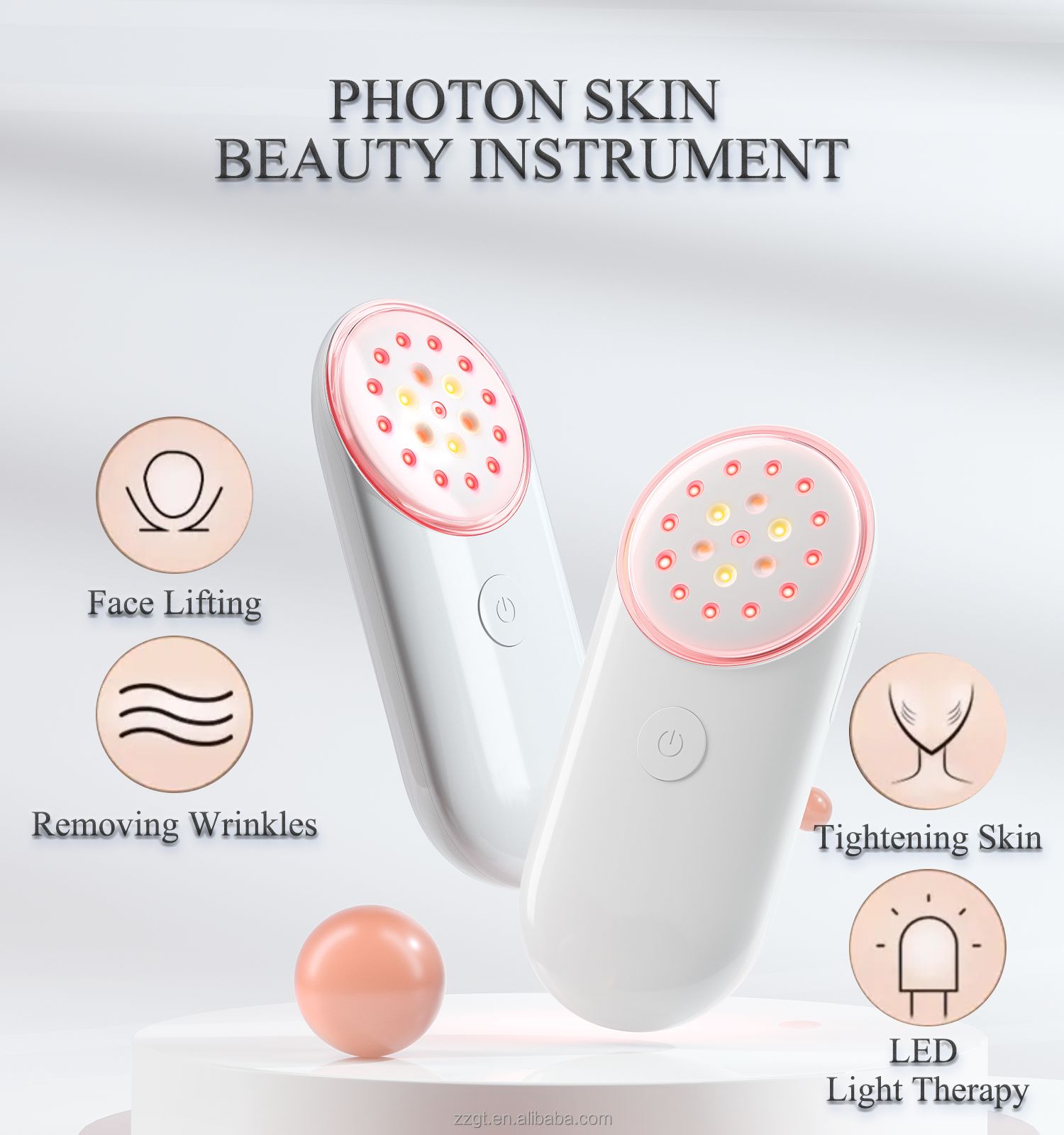
Most people lump these three together because they all promise smoother, firmer skin, but they work through completely different pathways. Light therapy (usually LED) uses specific wavelengths to trigger cellular repair and reduce inflammation—it's the gentlest of the three and doesn't actually "tighten" tissue in a mechanical sense. Radiofrequency heats the dermis to around 40–45°C, causing controlled collagen contraction and later remodeling; that's why you feel a gradual firming effect over weeks. Microcurrent is the odd one out: it mimics your body's own electrical signals to stimulate facial muscles, giving an immediate lift that fades quickly if you stop using it.
The real distinction comes down to depth and action. LED light penetrates only 1–3 millimeters and works on a cellular level, so it's excellent for redness or acne but won't restructure sagging tissue. Radiofrequency reaches deeper—around 3–5 millimeters into the dermal and subdermal layers—and physically heats collagen fibers, which is why it's used for laxity along the jawline and neck. Microcurrent doesn't aim for depth at all; it targets the superficial facial muscles just under the skin, training them to hold a more lifted position. If your main concern is dullness or inflammation, light is enough. If you want to actually rebuild collagen, radiofrequency is the better fit. If you need a quick event-day lift, microcurrent is your friend.
One thing these devices rarely advertise is that consistency matters far more than the technology itself. A cheap LED mask used five times a week will outperform an expensive radiofrequency wand gathering dust in a drawer. Microcurrent requires near-daily sessions to maintain results, while radiofrequency typically works with weekly or biweekly treatments over a few months. Light therapy sits in the middle—short daily exposure is ideal. So before choosing, ask yourself what you'll actually stick with, because the honest difference between these tools is less about magic and more about matching the mechanism to your routine.
Safety Features That Save Your Skin Barrier (and Your Money)
A thermal sensor that actually pauses when your skin heats up beats any timer-based shutoff. Without it, you end up chasing redness with barrier creams and spending more than the device ever cost. That one feature alone spares the outer layer from the kind of heat damage that takes weeks to undo.
Rounded, non-porous contact heads don't get much attention, but they're doing quiet work. Smooth ceramic or medical-grade silicone glides without tugging, so the stratum corneum stays intact instead of developing invisible cracks. Fewer micro-tears means fewer emergency purchases of heavy balms and ceramide layers.
Hard limits on intensity can feel like a drawback until you realize they're a built-in budgeting tool. A device that refuses to go past a safe threshold stops over-exfoliation before flaking starts, which keeps both your moisture barrier and your wallet off the repair cycle.
Spotting Fake Reviews and Overhyped Before/After Photos
When a product page is flooded with five-star ratings that all sound like they were copied from the same template, that's usually your first clue. Look at the dates: if twenty glowing reviews appeared within a two-day window and then nothing for months, something's off. Real buyers mention specific details, like how the package arrived slightly dented or that the scent reminded them of a particular lotion. They also tend to write in different tones, some rambling, some blunt, and not every single one ends with an exclamation mark.
Before-and-after photos are trickier because they tap into what you want to see. A common trick is changing the lighting or angle between shots to make the "after" look more dramatic. Zoom in on the background: if the wall color shifts, the shadow direction flips, or the texture of the skin suddenly becomes porcelain-smooth with no visible pores, the image has probably been retouched. Legit results usually keep the same distance, same pose, and same background, so you can actually compare the two frames. Watch for photos that skip straight from day one to day thirty with nothing in between—real progress rarely jumps like that.
A better move is to check reviews on independent forums or social media groups where the brand doesn't control the narrative. Sort by lowest ratings and read what the disappointed customers say, because those details often reveal whether the product simply didn't work for them or whether the marketing was built on edited photos and planted praise. If a company hides or deletes critical comments, that tells you more than a hundred perfect testimonials.
Where to Invest and Where to Cut Corners Without Regret
The biggest money mistakes often come from treating every purchase as if it carries the same weight. Some things earn their price tag daily, while others just drain your wallet for a short-lived thrill. Figuring out which is which before you open your wallet is the real skill.
Put your money into what separates you from the ground or powers your daily work. A mattress, a decent chair, shoes that support your feet, and a laptop that doesn't freeze mid-task are all worth stretching for. They affect your health, comfort, and output every single day. The same logic applies to the tools you use constantly, whether that's a kitchen knife, a power drill, or software for your job. These aren't indulgences; they're force multipliers.
You can cut corners on anything that follows a fast trend or has a cheap, functional substitute. Basic t-shirts, phone cases, generic pantry items, and most decor won't be missed if you go budget. Even some premium versions of everyday goods exist mainly to make you feel better about spending, not to perform better. The regret hits later when you realize you paid for a label rather than a real jump in quality.
A Realistic Routine That Won’t End Up in a Drawer
Most routines fall apart because they're built around an imaginary version of you who jumps out of bed at dawn, has a clean kitchen, and never feels tired after work. That person doesn't exist. So stop planning for them. Pick one small anchor you can do even on a bad day, like rinsing your face with cold water or writing down tomorrow's top task before leaving your desk. That single repeatable action becomes the hook the rest of the routine hangs on.
Give yourself a range instead of a checklist. Some mornings you'll have five minutes, some evenings you'll have twenty. Keep a loose menu of two or three useful moves, like a quick stretch, a ten-minute walk, or laying out your clothes for the next day. Choose based on how you actually feel, not how you "should" feel. The routine survives because it flexes with your mood instead of fighting it.
Finally, keep the tools in plain sight. Fold the yoga mat and lean it against the wall, leave the journal open on the coffee table, put the face serum next to your toothbrush. If something lives in a drawer or a closet, it becomes a decision to pull it out, and decisions are where routines die. Make the next step so obvious that doing it is easier than ignoring it. That's how a routine stops being a resolution and starts being just another part of your day.
FAQ
No, because skin types and concerns vary a lot. A device that calms redness might not do much for sagging, and something designed for firming can irritate reactive skin. Start with your main concern, not with the most popular gadget.
Cleansing devices usually rely on sonic pulses or silicone bristles to lift oil and debris, while anti-aging tools might use microcurrent, radiofrequency, or LED to target collagen or muscle tone. Using the wrong category won't harm you, but you'll likely see no real change.
Yes, but stick to blue LED or gentle sonic cleansing, and avoid anything that heats the skin deeply. Oil-based serums combined with certain devices can clog pores, so check the product guide. If active acne is widespread, ask a professional before starting.
If your face stings with basic moisturizer or turns red after a light rub, hold off on most devices. Start with a low setting, limit use to twice a week, and do a patch test near your jaw. Sensitivity often means you want less time, not more power.
Not always. Many people end up using one or two favorite modes and ignoring the rest. It's often cheaper to buy one dedicated tool for your top concern than a Swiss-army device that does everything moderately well.
Most devices need four to eight weeks of consistent use before you'll notice a change, and some, like microcurrent, require maintenance sessions after that. If a brand promises overnight lifting, treat it as marketing fluff.
At that age, focus on prevention rather than correction. A gentle LED mask or a low-level microcurrent device can help with fine lines and dullness, but you probably don't need aggressive radiofrequency yet. Sun protection still beats any gadget.
Make sure the treatment heads are replaceable or can be fully sanitized, and check whether the battery still holds a charge. Avoid anything that touches the skin and can't be swapped out, like old cleansing brush heads with trapped debris.
Conclusion
Before buying any skin beauty device, ignore the glossy ads and start with a blunt look at what actually bothers you: uneven tone, sagging, acne marks, or dullness. Each technology targets a different issue, so knowing your main frustration saves you from paying for features you'll never use. LED light therapy is gentle and works slowly on redness and breakouts, while radiofrequency heats deeper layers to tighten mild laxity, and microcurrent gives a temporary lift that fades within days. None of them are miracle workers, and stacking three devices won't triple the payoff. Also check the safety specs: auto shut-off, temperature control, and compatible gel or serum requirements aren't boring details—they protect your skin barrier from burns and overstimulation, which can cost more to fix than the device itself.
A huge part of choosing wisely is learning to spot fake enthusiasm. Ignore before/after photos with different lighting or angles, and treat any review that repeats the same catchphrase as paid noise. Look for reviewers with similar skin type who mention downsides or a learning curve. When budgeting, put your money into the core technology and the brand's reputation for after-sales support, not fancy packaging or app-connected extras you'll never open. You can skip the expensive branded gels—many affordable alternatives work just as well if they're conductive enough. Finally, pick a routine you'll actually sustain: ten minutes, three nights a week, while watching TV beats a thirty-minute protocol that gathers dust. Start with one device, track changes with plain photos in daylight, and give it eight weeks before judging. That honest, low-friction approach is what separates a useful tool from a drawer filler.
Contact Us
Contact Person: Leon Yi
Email: [email protected]
Tel/WhatsApp: +86 17363316873
Website: https://zzgt.en.alibaba.com/