

Thermal Printable Wristband Supplier: The Essential Guide to Choosing Quality and Reliability
2026-09-11
Finding a thermal printable wristband supplier isn't just about price per unit—it's about whether the bands survive a water park weekend, scan cleanly at a festival gate, or stay put on a patient's wrist. That's where BAOBI has built its reputation: turning a simple printed wristband into a dependable part of your operation. Before you choose, let's break down the quality and reliability signals that separate a supplier you can trust from one you'll replace next season.
Materials That Hold Up in Busy Environments
Commercial entryways, transit hubs, and hospital corridors punish weak surfaces daily. Laminates with high-pressure wear layers resist scuffs from rolling luggage and equipment, while porcelain tile rated PEI 4 or 5 shrugs off decades of foot traffic without losing its glaze. For vertical surfaces, fiberglass-reinforced panels stand up to cart bumps and chemical cleaners better than drywall or painted finishes ever will.
Fabrics also matter in high-traffic zones. Woven vinyl and solution-dyed nylon blend stain resistance with abrasion tolerance, so seating in waiting areas or break rooms doesn’t look threadbare after a single season. Look for materials with documented double-rub counts above 100,000 for upholstery, and specify edge treatments that hide wear rather than highlight it. The best choices hide their strength behind a familiar, low-maintenance look.
Don’t overlook how materials connect. Expansion joints, transition strips, and corner guards made from solid aluminum or impact-modified acrylic take the abuse that would otherwise chip tile edges or tear carpet seams. Choosing these tough, often-overlooked components keeps the primary surfaces from failing early—and saves the maintenance team from constant patch jobs.
Why Print Longevity Matters for Patient or Guest Check-In
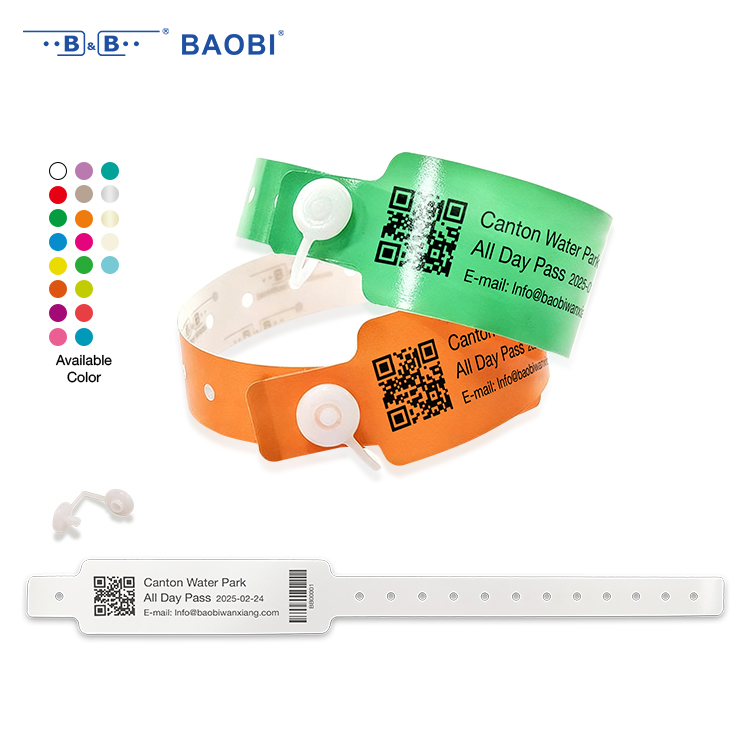
In busy clinics, hotels, or event venues, the check-in slip often becomes a patient's or guest's only physical reference point. When ink fades or paper yellows within weeks, critical details like appointment times, room numbers, or follow-up instructions turn unreliable. A receipt that smudges after a day in a pocket doesn't just look unprofessional—it actively undermines trust. People keep these slips as proof of their visit, sometimes for insurance claims or expense reports. If the print can't survive a few months in a drawer, that record is essentially useless.
Thermal prints are especially notorious for this. Exposed to sunlight, hand sanitizer, or even the friction of a wallet, the image degrades quickly. For a guest checking into a hotel, a faded parking pass or Wi-Fi code creates unnecessary friction. For a patient, a blurred medication schedule can be dangerous. Long-lasting print isn't a luxury; it's a functional requirement that directly affects how people experience the service after they leave the front desk.
Choosing inks, papers, and printers designed for archival stability shifts the interaction from disposable to dependable. It signals that the organization respects the person's time and record-keeping needs. When the physical artifact outlasts the visit, it becomes a quiet ambassador—something people refer back to, share with others, and associate with reliability. That kind of subtle persistence is hard to measure, but easy to feel.
Reading Between the Lines on Supplier Certifications
Supplier certifications often look impressive on paper, but the details matter more than the logo. A certificate can mean very little if the issuing body has lax audit standards or if the scope is narrowly written to exclude the very processes you care about. Rather than taking the document at face value, ask for the full audit report, check the validity dates, and confirm that the certification covers the specific facility or production line you plan to use.
Another overlooked layer is who actually performs the audit. Some suppliers rely on in-house assessments or pay a consultant to write a friendly report. Independent third-party certification bodies with ISO 17021 accreditation carry far more weight. If a supplier can't tell you who conducted the audit or hesitates to share the report, treat that silence as a warning sign.
Finally, certifications expire and standards change. A certificate issued three years ago may not reflect current labor, environmental, or quality conditions on the ground. Smart buyers maintain a re-verification calendar and occasionally request unannounced spot checks. This turns a static badge into an ongoing measure of trust.
Custom Designs Without the Usual Minimum Order Headaches
Most manufacturers still treat small-batch custom designs like an inconvenience. They quote inflated setup fees, push for bulk quantities, or simply turn down orders that don't meet rigid minimums. That old model doesn't fit modern creators, boutique brands, or event planners who need a dozen pieces, not a thousand.
Here, the conversation starts with your actual needs. Whether you're prototyping a new product line, producing limited-edition merchandise, or testing a market before scaling up, the process stays flexible. You choose the materials, finishes, and dimensions that make sense for your project—not the other way around.
What sets this apart is the absence of hidden thresholds. There's no pressure to over-order, no penalty for starting small, and no compromise on craftsmanship. You get custom work that fits your timeline and budget, with the freedom to reorder exactly what you need when you need it.
How Production Consistency Affects Your Daily Operations
When output swings from one shift to the next, your team spends the first hour just figuring out what changed. Machine settings drift, raw material batches behave differently, and suddenly the line that ran smoothly yesterday needs constant tweaking. That kind of variability doesn't just slow you down—it quietly eats into the time you'd otherwise spend on planned maintenance or process improvements.
Consistent production makes scheduling straightforward. You can trust that a given run will finish within a predictable window, so downstream tasks like packaging, quality checks, and shipping get their turn without idle waiting or rushed overtime. Less firefighting means supervisors can actually observe the floor, talk to operators, and spot small issues before they become downtime.
There's also a cumulative effect on inventory and purchasing. When output is steady, you order raw materials with confidence and avoid both stockouts and overstock. The warehouse doesn't turn into a buffer for sloppy production, and your cash isn't tied up in excess safety stock. Over time, that reliability shows up in lower carrying costs and fewer last-minute supplier calls.
After-Sale Support That Actually Solves Problems
Typical after-sale queues hide behind ticket IDs and 48-hour response windows. Ours doesn't. When you report a bug, the person reading it has access to the codebase and the authority to ship a hotfix the same afternoon. If that's not possible, you get a working workaround before close of business, along with the exact conditions that triggered the failure.
We also check in after the sale without waiting for you to complain. Usage patterns get reviewed weekly. If the data shows you're about to hit a storage limit or a rare configuration conflict, someone reaches out with a patch or a settings change before it becomes a support ticket.
For hardware or third-party integration problems, we don't hand you a vendor phone number. A support engineer stays on the call, remotes into your environment with your permission, and documents the root cause in a shared note. That note gets linked to a permanent fix in the next release, so the same issue doesn't reappear after the next update.
FAQ
A dependable supplier will openly share material specs and coating details instead of hiding behind vague marketing. They usually offer sample packs so you can test print density and water resistance before committing. Look for consistent thickness across the batch, clean perforations, and a responsive support team that understands printer compatibility.
Look for synthetic options like polypropylene or polyester with a top coating designed for chemical resistance. Standard paper-based thermal wristbands break down quickly after repeated sanitizer exposure. Ask for a sample and rub it with an alcohol-based gel a few times—if the print smudges or the band softens, move on.
Some curling is normal, but excessive curling usually indicates improper storage or low-quality base material. A good supplier will ship wristbands in moisture-resistant packaging and provide storage guidance. If you see frequent jams, test a different batch before blaming your printer—cheap cores often have uneven tension.
Request the exact ribbon and print head compatibility details. Many suppliers publish a list of tested printer models, but you should still run a small test batch. Pay attention to print speed settings and darkness levels; a wristband that prints beautifully on one Zebra model might fade on another.
Be wary of overwhelmingly generic praise with no mention of specific use cases like pools, hospitals, or events. Negative reviews that mention inconsistent adhesive or faded prints after a few hours are more telling than a few shipping complaints. Ask the supplier for references in your industry and call one.
Direct thermal works fine for short indoor events, but sunlight and heat will darken the entire band over time. For outdoor use, thermal transfer with a resin ribbon gives much better UV and abrasion resistance. A reliable supplier will guide you toward the right pairing instead of just selling you the cheapest option.
For standard stock with simple logo printing, expect 5 to 10 business days. Fully custom sizes, colors, or multi-color pre-printing can push that to 3 or 4 weeks. If a supplier promises next-day turnaround on complex custom jobs without a setup fee, question their quality control.
Start with a paid sample pack—not just a free sample of one style. Ask for samples from the exact production line they will use for your order. Test them under real conditions: wet them, stretch them, expose them to sunscreen, and run them through your printer multiple times. A supplier confident in their product won't hesitate.
Conclusion
Choosing a thermal printable wristband supplier means looking past glossy brochures and focusing on practical resilience. The materials must survive busy environments—think constant handwashing, sanitizer exposure, and friction against clothing or equipment. Request samples and test them for weeks, not days, because print longevity directly affects patient or guest check-in speed. If barcodes fade or smudge, staff end up keying in IDs manually, which defeats the purpose. Scrutinize supplier certifications too: don't just look for logos, ask which specific production processes are covered and whether audits are recent. Customization should not force you into huge minimum orders; a flexible supplier lets you mix colors, sizes, and pre-printed details without punishing fees.
Production consistency is the quiet factor that keeps daily operations smooth. Batch-to-batch variations in adhesive strength or wristband texture can cause scanning failures or discomfort, so look for suppliers who can trace raw materials and maintain strict quality checks. Then there's after-sale support—this is where many suppliers fall short. Real support means a technical team that resolves compatibility issues with your printers, replaces defective stock quickly, and proactively monitors supply-chain risks instead of sending canned responses. In short, a dependable supplier proves itself through material durability, long-lasting print, transparent certification, flexible customization, steady production, and genuinely helpful support after the sale.
Contact Us
Contact Person: Bill Xu
Email: [email protected]
Tel/WhatsApp: 8618688898707
Website: https://www.baobitech.com/