
Top 10 Ethanolamine Applications Across Industries
2026-06-27
From pharmaceutical intermediates to gas treatment agents, ethanolamine quietly powers dozens of industrial processes most people never see. Its versatility makes it a staple in sectors like agriculture, cosmetics, and construction—often acting as the invisible ingredient that improves performance or reduces environmental impact. In this roundup, we explore the top 10 applications that demonstrate just how far this humble molecule can reach. Whether you're formulating surfactants or scrubbing CO₂, having a reliable supply partner matters. That's where POLYKEM steps in, delivering high-purity ethanolamine tailored to exacting standards.
Unseen Hand in Personal Care: How Ethanolamine Elevates Your Daily Routine
It’s easy to overlook the quiet ingredients that make your morning routine feel seamless. Ethanolamine might not claim the spotlight, but it’s often the reason your moisturizer sinks in without a trace and your cleanser glides effortlessly. By balancing pH and stabilizing emulsions, it helps formulas stay effective from the first pump to the last drop, working behind the scenes to keep your skin feeling fresh and calm.
Think about the creamy lather of your shampoo or the smooth spread of a hair mask—ethanolamine plays a role there too. It gently adjusts formulas so they don’t strip natural oils while still cleansing thoroughly. That soft, manageable texture you love after a wash isn’t just luck; it’s chemistry tailored to treat your hair and scalp with care, all without you ever noticing the effort.
Beyond texture and performance, ethanolamine helps preserve the integrity of your favorite products. By maintaining optimal conditions, it allows active ingredients to remain potent longer, so your serums and creams deliver results day after day. It’s a subtle guardian, quietly upgrading your daily rituals in ways you feel more than see.
The Silent Engine of Agriculture: Ethanolamine's Role in Crop Protection
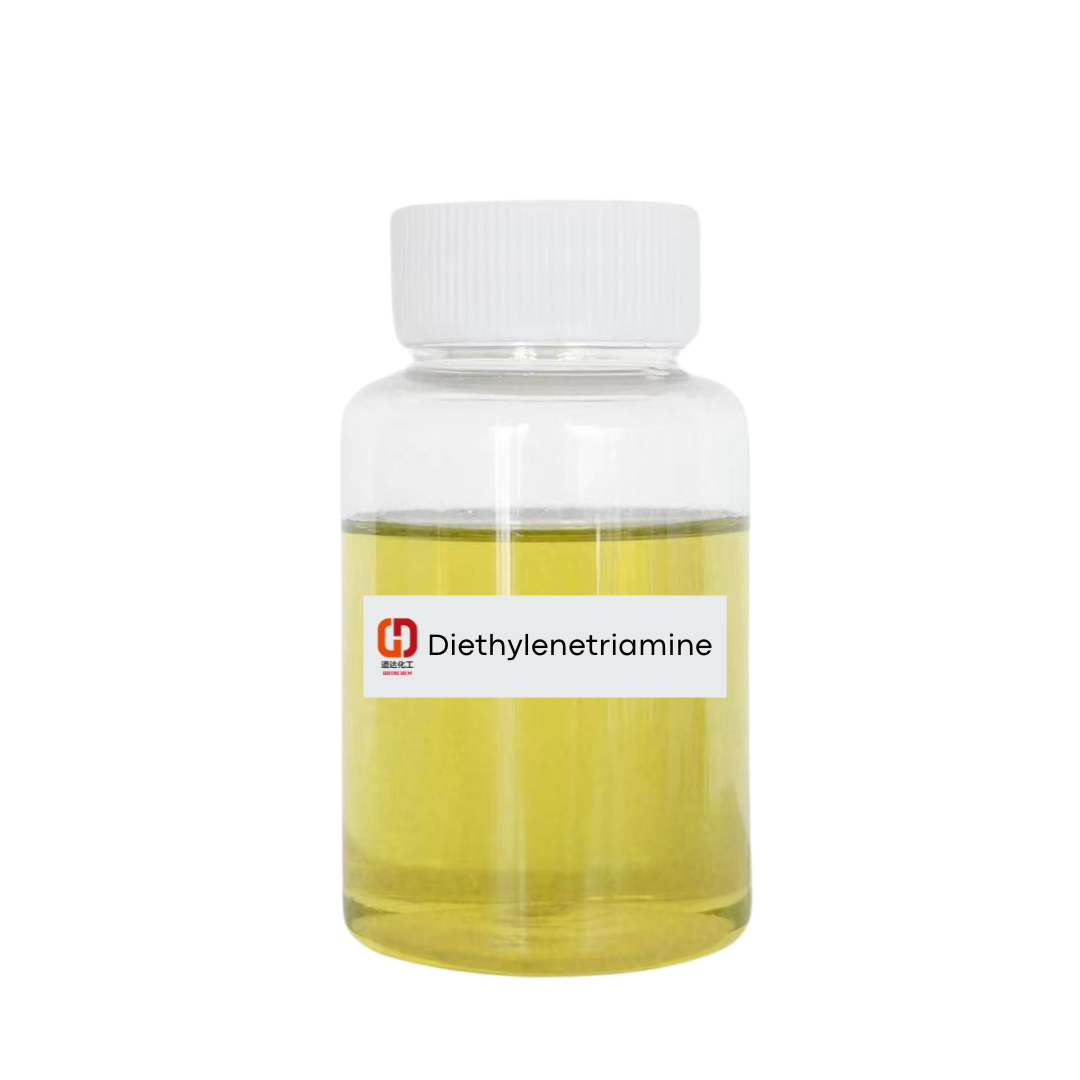
Behind the scenes of modern farming, ethanolamine quietly powers some of the most effective crop protection strategies. As a versatile building block, it's transformed into surfactants and adjuvants that ensure pesticides and herbicides spread evenly and stick to plant surfaces. Without this chemistry, many active ingredients would bead up and roll off, leaving crops vulnerable to pests and weeds. Its role is subtle yet foundational, much like a silent engine that keeps the entire system running smoothly.
Ethanolamine derivatives also play a critical part in formulating systemic fungicides and insecticides that penetrate deep into plant tissue. By modifying the compound's structure, chemists create products that resist wash-off from rain and degrade at a controlled rate, providing longer-lasting defense with fewer applications. This not only improves efficiency but also reduces the environmental footprint—a growing demand in agriculture. Farmers may not see ethanolamine in action, but its presence is felt in every healthy row of crops.
What sets ethanolamine apart is its adaptability across different climates and crop types. From broad-acre wheat fields to delicate fruit orchards, its derivatives can be tailored to meet specific challenges, such as hard water conditions or extreme temperatures. This versatility makes it a quiet workhorse, enabling precision agriculture to thrive without fanfare. While new biotech solutions grab headlines, ethanolamine remains an unsung hero, steadily safeguarding global food production.
Behind the Bubbles: How Ethanolamine Powers Industrial Cleaning
Most people see suds and assume clean. But in heavy-duty industrial settings, the real action often takes place far beneath the foam. Ethanolamine, a versatile amine compound, is the quiet workhorse that turns ordinary water into a precision cleaning agent. By adjusting pH, emulsifying stubborn oils, and softening hard water ions, it enables surfactants to penetrate and lift grime that would otherwise cling to machinery, pipes, and metal surfaces. Without it, many degreasers would simply slide off, leaving behind residues that compromise equipment performance and safety.
The chemistry here is more nuanced than simple scrubbing. Ethanolamine molecules bridge the gap between water and oily soils, forming stable microemulsions that can be rinsed away with ease. In sectors like oil refining, food processing, and automotive manufacturing, this means shorter downtime, less elbow grease, and a dramatic reduction in harsh solvents. It also plays a key role in preventing flash rust on freshly cleaned steel, buying precious time before protective coatings are applied. This dual action — cleaning and corrosion inhibition — makes it indispensable for operations where speed and surface integrity are non-negotiable.
What makes ethanolamine truly stand out is its adaptability. Formulators can tweak the ratio with acids to create specialty salts that boost detergency or tailor the alkalinity to match specific contaminants, from carbonized grease to protein-based residues. Unlike caustic soda, it achieves this without aggressively attacking substrate materials or posing excessive handling risks. As industries push for more sustainable practices, ethanolamine-based cleaners are evolving too — reducing volatile organic compounds, enabling cold-water operation, and lengthening bath life. The bubbles may be fleeting, but the clean they signal is built on a foundation of smart, solvent-born chemistry.
From Flue Gas to Fresh Air: The Capture Agent You’ve Never Heard Of
When we think of cleaning up industrial emissions, the conversation usually revolves around amines or elaborate scrubbing systems. Yet there’s a far more unassuming player that’s been quietly outperforming them in niche applications—ionic liquids. These aren’t your typical solvents; they’re salts that remain liquid at room temperature, with a near-zero vapor pressure and a knack for selectively soaking up carbon dioxide like a sponge. The magic lies in their tunability. By tweaking the cation or anion, researchers can design an ionic liquid that grabs CO₂ from a chaotic mix of flue gases while letting nitrogen and oxygen slip past, all without the energy-intensive heating steps that traditional methods demand.
What truly sets these capture agents apart is their resilience. In a real-world power plant, flue gas isn’t just CO₂ and water vapor—it’s a hot, corrosive cocktail laced with sulfur dioxide and particulate matter. Most capture materials degrade or lose efficiency after a few cycles, but certain ionic liquids shrug off these insults. I recall a pilot trial in a coal-fired facility where a phosphonium-based ionic liquid maintained over 95% of its capture capacity after a thousand cycles, all while operating at temperatures that would send amines into a thermal breakdown frenzy. The secret is in the strong ionic bonds that don’t easily react with contaminants, making the process not only robust but also surprisingly low-maintenance.
Of course, the road from lab curiosity to industrial mainstay isn’t without bumps. Early ionic liquids were eye-wateringly expensive and viscous, turning into molasses-like goo after absorbing CO₂. But the newer generation uses clever chemistry—think functionalized side chains and supported membranes—to slash costs and keep the liquid flowing. Now, you can find them in modular biogas upgrading units and even in pilot-scale direct air capture setups, where their stability in humid air gives them an edge over solid sorbents. It’s a slow burn, but the agent nobody talks about might just redefine how we scrub the skies.
Ink, Paint, and Beyond: The Emulsifier Shaping Everyday Coatings
At the heart of every smooth brushstroke and crisp printed line lies an unsung ingredient: the emulsifier. These molecular matchmakers bridge water and oil, two substances that naturally repel each other, to create stable, uniform coatings. In inks, emulsifiers prevent pigments from clumping, ensuring even color distribution whether the ink meets paper, plastic, or metal. In paints, they do more than just blend—they control viscosity, extend shelf life, and guarantee that what you apply today looks much the same tomorrow, with no unsightly separation or cracking.
Step beyond the canvas, and the reach of emulsifiers widens dramatically. They’re the quiet force behind the glossy finish on a chocolate truffle, the protective film on a pharmaceutical tablet, and the water-resistant barrier on a cardboard takeout box. By enabling the marriage of disparate components, they allow manufacturers to ditch heavy solvents, cut down on volatile organic compounds, and craft coatings that are kinder to both surfaces and the environment. From the ink in your pen to the varnish on your floor, emulsifiers shape the way everyday coatings perform, protect, and endure.
Preserving Life’s Essentials: Ethanolamine in Medical and Pharmaceutical Formulations
In the intricate world of pharmaceutical formulation, stability and efficacy are non-negotiable. Ethanolamine plays a quiet yet pivotal role here, acting as a pH adjuster and buffering agent that safeguards active ingredients from degradation. Its gentle alkaline nature helps maintain optimal acidity in injectables, eye drops, and topical creams, ensuring that medications remain potent and safe from the moment they are manufactured until the last dose is administered.
Beyond its buffering capacity, ethanolamine serves as a key building block for complex molecules that fight disease. It is a precursor in the synthesis of antihistamines, antibiotics, and antiviral agents, subtly woven into the chemical backbone of drugs that treat everything from allergies to life-threatening infections. This dual role—both protective and generative—makes ethanolamine indispensable in a field where precision and purity define success.
Moreover, its utility extends to the formulation of lipid-based drug delivery systems, including liposomes and nanoemulsions. Ethanolamine derivatives help stabilize these carriers, enabling targeted delivery of chemotherapeutics and genetic material. In an era of personalized medicine and biologics, such nuanced contributions are what transform a simple compound into a guardian of health, quietly preserving life’s essentials one formulation at a time.
FAQ
Its unique structure, combining an amine and an alcohol group, lets it act as both a weak base and a solvent. That dual functionality means it can scrub acid gases, emulsify ingredients, and adjust pH levels all in one molecule.
Gas sweetening is the big one—it strips hydrogen sulfide and carbon dioxide from natural gas streams. Monoethanolamine is especially prized here because it reacts fast and holds a high carrying capacity for acid gases.
Sure. In shampoos and lotions, triethanolamine neutralizes fatty acids to form stable soaps, which yields a creamy texture. It also fine-tunes the pH, keeping products mild on skin and hair.
It helps dissolve greasy soils that ordinary detergents might leave behind. By boosting alkalinity and stabilizing the foam, it gives industrial cleaners the extra kick needed for tough jobs like degreasing engines or scrubbing factory floors.
It’s frequently used to produce herbicides. As part of the formulation, ethanolamine enhances the absorption of the active weed-killing agent into plant tissues, making the treatment more reliable and effective.
It stabilizes the pH of injectable drugs and helps certain medications dissolve properly. You’ll also find it as an intermediate when synthesizing antihistamines and other active pharmaceutical ingredients.
Definitely. It’s crucial for safeguarding boiler systems in power plants—it condenses with steam to neutralize corrosive carbon dioxide in return lines. That prevents pipe thinning and extends equipment life behind the scenes.
Conclusion
Ethanolamine quietly powers a surprising range of industries, seamlessly blending into products and processes we often take for granted. In personal care, it adjusts pH and helps create creamy, stable shampoos and lotions. On farms, it safeguards crops as a vital intermediary in herbicides and fungicides, boosting yields without fanfare. Its ability to capture carbon dioxide makes it a key player in scrubbing flue gas, turning emissions into cleaner air.
Industrial cleaning solutions rely on ethanolamine to cut through grease and grime, keeping machinery and surfaces spotless. In paints and inks, it stabilizes emulsions, ensuring smooth application and vibrant colors. The pharmaceutical sector depends on its buffering and solubilizing properties to formulate effective medicines. From everyday cosmetics to life-saving drugs, ethanolamine proves indispensable across the board.
Contact Us
Contact Person: Levi
Email: [email protected]
Tel/WhatsApp: +86 532 84688720
Website: https://www.polykem-intl.com