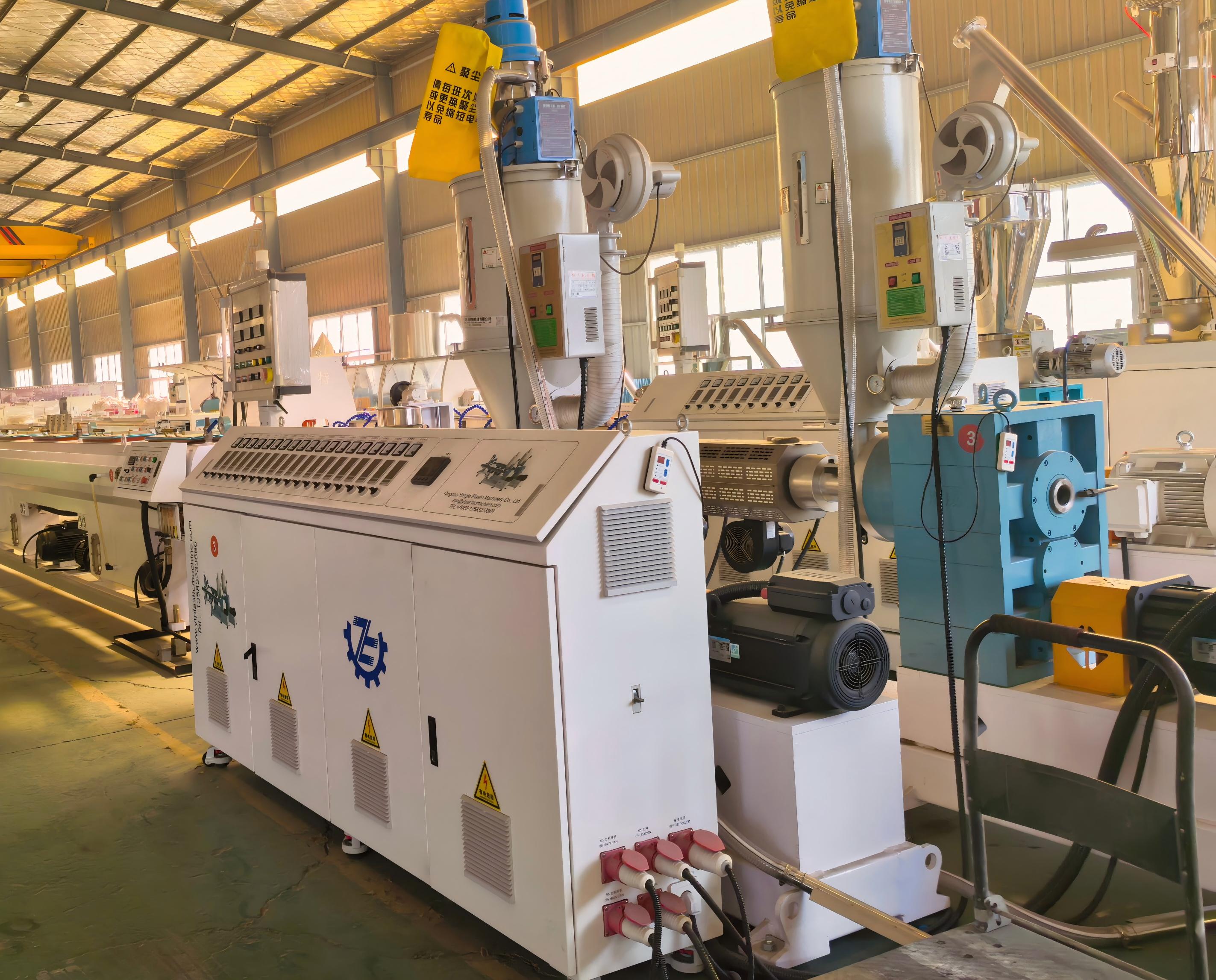

Top 10 Plastic Lumber Machines for Efficient Recycling
2026-06-24
Turning plastic waste into durable lumber isn't just a trend—it's a smart solution for a greener planet. If you're exploring efficient recycling options, the right machine makes all the difference. In this guide, we’ve rounded up the top 10 plastic lumber machines that combine performance and reliability, including standout innovations from Yongte. Whether you're scaling up production or starting fresh, these picks will help you turn trash into treasure without the guesswork.
Machines That Transform Plastic Waste into Durable Lumber
Turning discarded plastic into sturdy lumber is no longer a distant concept—specialized machinery now handles the entire process from shredding to extrusion. These systems feed on high-density polyethylene and polypropylene waste, heating and compressing the material until it emerges as solid boards or posts. The resulting product resists moisture, insects, and rot far better than traditional wood, making it ideal for outdoor decking, fencing, and landscaping projects.
What sets modern plastic-to-lumber equipment apart is its ability to work with mixed, uncleaned waste that would otherwise clog recycling streams. Some units integrate sequential grinding, washing, and drying stages directly into the line, removing labels and residues without manual sorting. The extrusion dies are engineered to create realistic wood grain textures and color variations, so the final planks look natural while outperforming timber in longevity and maintenance requirements.
Beyond the obvious waste reduction benefits, these machines open up small-scale manufacturing opportunities. Community workshops and startups can process locally collected plastics into construction materials that meet building codes, fostering circular economies. The technology keeps evolving—newer models consume less energy, run quieter, and allow for custom profile shapes, proving that plastic waste isn't trash but a resource waiting for the right transformation.
Streamlined Systems for High-Throughput Recycling
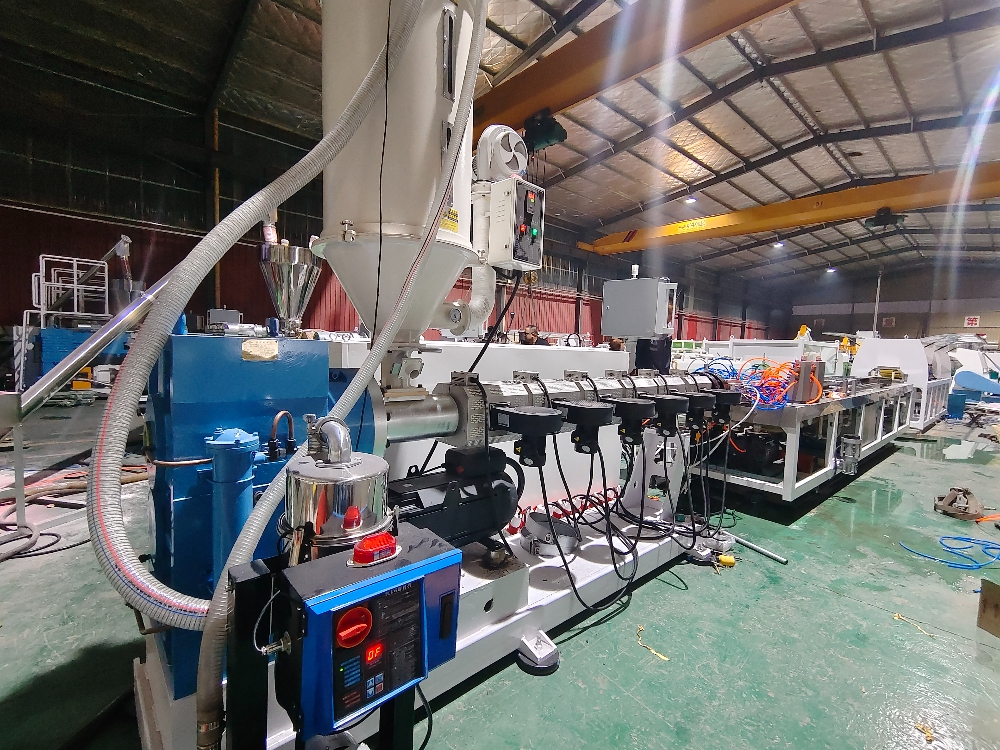
Modern recycling facilities no longer rely on manual sorting alone. Instead, they've adopted streamlined systems that integrate advanced sensors, AI-driven robotics, and high-speed conveyors to process materials at an industrial pace. These setups can handle tonnes of mixed waste per hour, automatically separating plastics from metals, glass from paper, with minimal human intervention. The result is a continuous, efficient flow that keeps contamination low and throughput high, turning a once chaotic process into a smooth, predictable operation.
The key to high-throughput lies in system design that eliminates bottlenecks. Optical sorters now use near-infrared spectroscopy to identify polymer types mid-flight, while magnetic and eddy-current separators pull out ferrous and non-ferrous metals in a single pass. Water-gravity tables then cleanly divide denser materials from lighter ones, all orchestrated by central control software that adjusts parameters in real time. This level of coordination means facilities can run 24/7, adapting to varying input streams without sacrificing speed or purity of the output fractions.
What makes these systems truly stand out is their modularity and scalability. Operators can add or reconfigure modules—like extra shredders or air classifiers—as demand grows, without overhauling the entire line. Data analytics further refine performance, tracking everything from wear on conveyor belts to energy consumption per ton. This lean, adaptive approach doesn’t just boost recycling rates; it makes the entire operation more resilient and cost-effective, setting a new standard for waste management infrastructure.
How Advanced Extrusion Boosts Material Consistency
In traditional extrusion, slight variations in temperature or screw speed can lead to density fluctuations and uneven melt flow. Advanced systems tackle this with real-time monitoring and closed-loop controls that adjust parameters on the fly, maintaining a remarkably stable process. The result is a material with uniform molecular alignment, free from the weak spots that often plague conventionally extruded products.
Beyond process control, modern extruders incorporate specialized mixing sections and optimised screw geometries that break down agglomerates and disperse additives evenly. This mechanical precision ensures every pellet travels through the same shear history, dramatically reducing batch-to-batch variation. Even highly filled or temperature-sensitive materials emerge with consistent color, texture, and mechanical properties.
The payoff shows up in final part performance. With consistent extrudate, downstream forming steps hold tighter tolerances, and the end product delivers predictable strength and durability. Manufacturers see fewer rejects and less material waste, all because the extrusion step laid a dependable foundation from the start.
Low-Maintenance Designs for Uninterrupted Production
When production lines demand consistency, the last thing any facility manager wants is frequent downtime for upkeep. Low-maintenance designs strip away unnecessary complexity, replacing fragile parts and manual checks with self-lubricating bearings, sealed electronics, and modular assembly systems. These choices quietly keep machines humming through night shifts and peak seasons without a technician on standby, making unscheduled interruptions a rarity rather than a nagging risk.
A thoughtfully built low-maintenance system doesn't just trim the maintenance budget—it reshapes the entire operational rhythm. Components are chosen for their wear resistance, not just initial cost, so conveyor belts, robotic arms, and fluid-handling circuits can run for months between service windows. Simple access panels and quick-release fixings let in-house teams perform routine inspections in minutes instead of hours, preserving the fragile momentum of a tightly scheduled production floor.
Real durability comes from designing out the common failure points before installation. Instead of relying on vibration-prone joints, some facilities now integrate direct-drive motors and monolithic structures that lose nothing to looseness or alignment drift. Remote monitoring sensors track performance trends silently, flagging subtle changes that would otherwise go unnoticed until they snowball into breakdowns. It's an approach that treats production time as the most expensive asset, protecting it with engineering that largely takes care of itself.
Adaptable Units Handling Mixed Plastic Streams
Processing mixed plastic waste has long been a headache for recyclers, but adaptable units are changing the game. Rather than relying on rigid, single-stream systems, these modular setups can quickly switch between different polymers, film, and rigid plastics without extensive downtime. The real advantage lies in their ability to handle the unpredictable mishmash that arrives at facilities—think grocery bags tangled with bottle caps and takeout containers—using adjustable sorting, shredding, and washing components that reconfigure based on the input material.
What sets modern adaptable units apart is how they combine sensor-driven identification with mechanical flexibility. Near-infrared scanners and AI-assisted cameras detect resin types on the fly, while interchangeable rotors and screen baskets let operators fine-tune size reduction and separation in minutes. This nimbleness not only boosts recovery rates but also slashes contamination levels, turning a jumbled plastic stream into clean, market-ready fractions without the need for multiple dedicated lines.
Real-World Output Meets Structural Standards
The gap between what a system produces and what a specification expects can seem trivial until mismatches cascade into failures. When real-world output aligns with structural standards, you avoid the silent drift that often goes unnoticed until a critical integration breaks. It’s not just about passing validation—it’s about ensuring that every piece of data, every response, and every artifact behaves predictably in downstream processes. This consistency turns raw output into reliable components that other teams can build on without second-guessing.
Practical alignment requires more than a schema checklist. It demands an understanding of how output is consumed in the wild—logging systems, visualization dashboards, audit trails, or automated pipelines. By embedding structural expectations into the development cycle early, you catch discrepancies before they fossilize into “know issues.” The result is an output layer that feels native to its consumers, reducing the cognitive load of decoding format quirks and letting the actual content do its work.
FAQ
It's a system that melts down waste plastics and forms them into durable boards or profiles, often used as a wood alternative. If you handle large volumes of plastic scrap and want to turn it into something useful—like decking, fencing, or outdoor furniture—it's a practical way to cut disposal costs and create a saleable product.
Look beyond the spec sheets. Real efficiency comes from low energy consumption per kilogram processed, consistent output quality, and minimal downtime. Check if the machine can handle mixed or dirty plastics without constant clogging, and whether the manufacturer offers solid after-sales support and spare parts availability.
Most lumber machines are designed for polyolefins like polyethylene and polypropylene, which melt at lower temperatures. Some can take a mix of HDPE, LDPE, and PP. But materials like PET or PVC usually cause problems because they degrade or release harmful fumes at processing temperatures. A good machine will have clear guidelines on acceptable input materials.
A dependable mid-sized machine can produce anywhere from 500 to 2000 kilograms of finished profiles in a single day, depending on the product shape and thickness. The quoted figures often assume ideal conditions, so factor in interruptions for cooling, cutting, and occasional material feed adjustments.
Absolutely. Installation may require special foundations or ventilation upgrades. Energy bills can climb if the machine isn't well insulated. Consumables like screens, filters, and die heads wear out, and if you're processing contaminated plastics, expect more frequent replacements. Also, training operators is often an overlooked expense.
You're looking at a footprint ranging from a compact 15 square meters for a small unit up to over 100 square meters for a high-capacity line with conveyors and cooling baths. Ceiling height matters too, especially for vertical extruders. Proper ventilation is non-negotiable because of fumes, and you'll need a stable power supply that matches the machine's requirements.
With proper care, a well-built machine can run for 15 to 20 years. The key is sticking to a strict maintenance schedule—cleaning the screw and barrel regularly, monitoring temperature sensors, and lubricating moving parts as specified. Using contaminated feed stock accelerates wear, so investing in a good shredder or washing line upstream can pay off.
There's a real market, especially in regions where treated wood is expensive or regulations favor recycled materials. Plastic lumber resists rot and insects, so it's popular for marine and agricultural use. Profit margins depend heavily on your source of waste plastic—if you can secure a clean, steady supply for free or low cost, the numbers can work out nicely.
Conclusion
Turning discarded plastic into sturdy lumber isn’t just an environmental win—it’s a manufacturing reality, thanks to a handful of machines that have redefined what’s possible in recycling. The leading systems take mixed, often contaminated waste streams and, without demanding labor-intensive sorting, convert them directly into durable boards. Advanced extrusion lies at the heart of this process, delivering a level of material consistency that was once hard to achieve with recycled feedstock. What sets the best apart is how they maintain that uniformity hour after hour, thanks to clever, low-maintenance designs that sidestep clogs and wear. Operators can trust these units to run with minimal intervention, churning out lumber that rivals virgin plastic in toughness.
Beyond day-to-day reliability, these machines excel at high-volume throughput, turning waste into revenue on a tight schedule. Streamlined workflows eliminate bottlenecks, allowing facilities to process tons of material without sacrificing output quality. The real test comes on a construction site, where the lumber is subjected to load-bearing tests and weather exposure—and the results hold up to structural standards. Adaptability is another hallmark; the same line can pivot between different mixed plastics, from films to rigid containers, without overhauling settings. That flexibility, paired with consistent end-product strength, makes these top-ten machines a practical choice for any operation serious about efficient plastic recycling.
Contact Us
Contact Person: Ms Qin
Email: [email protected]
Tel/WhatsApp: 8613583233866
Website: https://www.yongteplast.com