

Top Aluminum Fishing Boats: Your Ultimate Buyer's Guide
2026-07-11
Choosing the perfect aluminum fishing boat can feel overwhelming with so many options on the market. Whether you're a weekend angler or a seasoned pro, the right boat makes all the difference. At Allheart, we understand that durability, performance, and comfort matter most. In this guide, we'll cut through the noise and walk you through everything you need to know—from hull design to must-have features—so you can hit the water with confidence.
What Makes Aluminum the Premier Choice for Anglers?
Aluminum boats have earned their reputation on the water through a combination of toughness and practicality that fiberglass simply can’t match. When you’re navigating rocky rivers or beaching on gravel bars, the last thing you want is to worry about gel coat damage. Aluminum shrugs off impacts that would send a fiberglass hull to the repair shop, letting anglers focus on fishing instead of fragile equipment. This resilience isn’t just about accidental bumps—it also means you can access shallow, stump-filled backwaters that hold big fish but would tear up other hulls. The metal’s natural flexibility absorbs shock rather than cracking, and modern alloys have become even more resistant to corrosion, meaning a well-built aluminum boat can last for decades with minimal upkeep.
Beyond durability, the lightweight nature of aluminum transforms the entire fishing experience. A lighter hull requires less horsepower to get on plane, which translates to better fuel economy and the ability to use a smaller, more affordable outboard. This weight savings also makes towing and launching far easier—many aluminum rigs can be pulled by a family SUV or even a smaller crossover, eliminating the need for a dedicated tow vehicle. For solo anglers, the ease of handling at the ramp is a game-changer; you can launch and load without waiting for help, even on steep or primitive ramps. And because aluminum can be formed into complex shapes more readily than hand-laid fiberglass, manufacturers can create hulls that remain stable at rest yet slice through chop efficiently, giving you the best of both worlds.
There’s also an elegance in the simplicity of aluminum that resonates with anglers who value function over flash. These boats can be modified and accessorized endlessly without compromising structural integrity—drilling a hole for a new rod holder or mounting a trolling motor bracket is straightforward and risk-free. The absence of slick gel coat means you’re not constantly worrying about fish blood, mud, or dropped weights scarring the finish. Over time, an aluminum hull develops a work-worn patina that tells the story of countless days on the water, a badge of honor that many fishermen prefer over a showroom shine. This blend of utilitarian design and long-term value makes aluminum not just a smart purchase, but a partner in the lifelong pursuit of tight lines.
Decoding Hull Designs for Stability and Performance
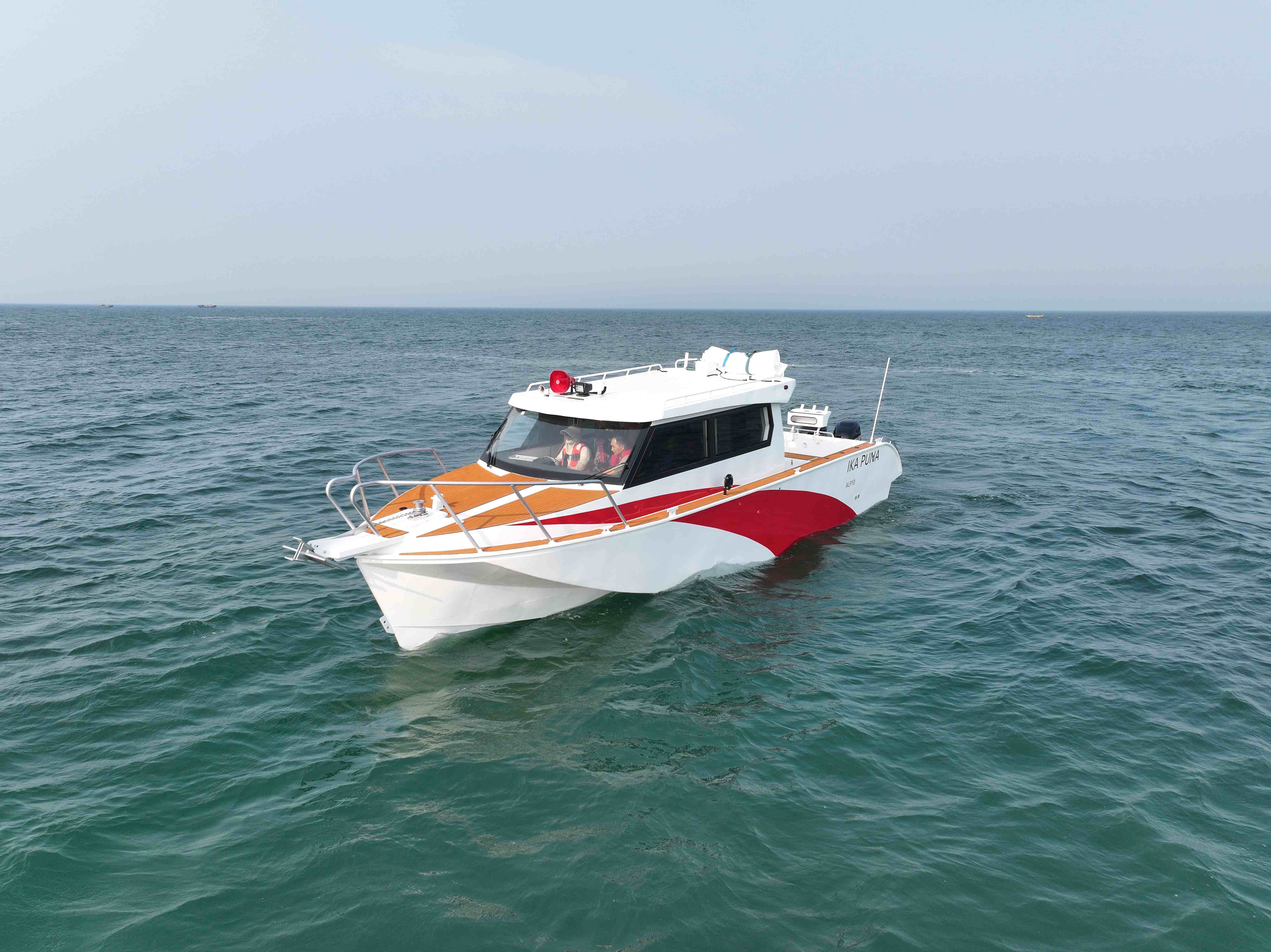
The shape of a hull is a masterclass in trade-offs, where every curve and angle directly influences how a vessel rides, turns, and holds its ground against the water. Deep-V hulls slice through choppy seas with a sharper entry, softening the impact but demanding more power to stay on plane. In contrast, flat-bottomed designs offer exceptional initial stability at rest—ideal for fishing in calm bays—yet they tend to pound uncomfortably when faced with any real wave action. The subtle art lies in blending these profiles, often seen in modified-V hulls that carry a deadrise angle amidships to balance a soft ride with reasonable efficiency.
Beyond the raw geometry, dynamic stability hinges on the interplay between beam, chine width, and the center of gravity. A wider beam gives a boat that reassuringly solid feel when you step aboard, but it also increases wetted surface and can make the hull roll sharply in a beam sea. Hard chines add lift and spray deflection, contributing to planing performance, while rounded bilges provide a gentler motion that seasoned sailors appreciate during long offshore passages. Moving weight—whether it’s batteries, tanks, or crew—changes the entire personality of a hull, shifting it from a spry, responsive feel to a sluggish, bow-heavy plow that fights every swell.
Modern naval architects often turn to computational fluid dynamics and tank testing to refine these details, but the fundamentals remain rooted in centuries of observation. A well-designed hull doesn’t just float; it communicates with the water, channeling flow to reduce eddies and using appendages like keels and strakes to enhance directional control. Whether you’re pushing for maximum speed with a stepped hull that aerates the running surface or crafting a displacement cruiser that slips through the water with minimal wake, the secret lies in understanding how the hull’s lines marry stability with performance—not as separate goals, but as a single, inseparable intention.
Must-Have Features That Elevate Your Fishing Experience
A truly memorable day on the water isn’t just about luck—it’s about having gear that works with you, not against you. The right features turn frustration into flow, letting you focus on the tug of the line rather than tangled reels or slippery grips. Start with seamless drag systems that respond instantly to sudden runs, paired with corrosion-resistant bearings that stay smooth even after countless casts in salt spray. These aren’t just specs on a box; they’re the difference between losing a trophy fish and landing it with confidence.
Comfort might not sound thrilling, but after hours under the sun, it becomes everything. Rod handles molded from high-grade cork or EVA foam reduce fatigue and improve control, while thoughtfully placed reel seats keep your wrist in a natural position during all-day battles. Lightweight construction matters too—modern carbon blanks cut ounces without sacrificing the backbone needed to muscle fish away from cover. When your hands don’t ache and your movements feel effortless, you’ll stay on the water longer, and that’s when the real magic happens.
Visibility and adaptation often separate casual anglers from those who consistently find success. Polarized lenses cut glare and reveal subsurface structure, while quick-change lure systems let you swap tactics without wasted time. Add in weather-ready apparel with smart storage, and you’re equipped to handle shifting conditions without missing a beat. These features quietly elevate every trip, turning a simple hobby into a refined craft.
Size Matters: Matching Boat Dimensions to Your Fishing Style
Ever tried wrestling a trophy catch from a cramped kayak when you really needed the solid footing of a bay boat? It's not just about comfort—it's about control. Smaller vessels shine in tight creeks and shallow flats, letting you tuck right against the mangroves where redfish hide. But push into open water without enough length and beam, and you'll spend more time fighting the chop than focusing on your cast.
Think about how you actually fish, not how you imagine you will on a perfect day. If your weekends are spent drifting along slow rivers for bass, a stable jon boat with a wide deck might be your best friend. But if you chase pelagics miles offshore, a deep-V hull with higher gunwales becomes non-negotiable—keeping you dry and secure when the sea turns feisty. It's less about the boat you can afford and more about the one that won't hold you back.
And then there's the unglamorous side: trailering, storage, and that tight turn into your garage. A boat that's too long for your driveway or too tall for your covered lift becomes a headache every trip. Measure not just the water, but the launch ramp, the bridge clearances, and even your tow vehicle's comfort zone. When dimensions align with your reality, time on the water goes from merely good to genuinely effortless.
Navigating the Cost: Smart Budgeting for Long-Term Value
Budgeting for long-term value isn't about slashing expenses—it's about aligning every dollar with the future you want to build. When you shift focus from immediate price tags to lasting impact, you begin to see spending as an investment. This means asking a different set of questions: Will this choice hold up over time? Does it save me money or effort down the line? A smarter budget accounts for durability, efficiency, and hidden costs that cheap options often carry. It's a mindset that turns restraint into a strategic advantage, letting you spend less over the years by spending smarter today.
In practice, this approach changes how you evaluate purchases, services, and even subscriptions. Consider maintenance costs, replacement frequency, and the time you'll spend managing a poor-quality solution. A budget built for longevity weighs these factors heavily, often justifying a higher upfront cost for something that won't need constant attention. It also means leaving room for flexibility—unexpected opportunities or needs will arise, and rigid penny-pinching rarely survives contact with reality. The goal is a financial cushion that absorbs shocks without derailing your plans, turning budgeting from a chore into a tool for freedom.
Getting started requires honest reflection on what “value” truly means to you. One person’s long-term investment might be another’s unnecessary splurge, so define your own benchmarks. Track where money currently goes and flag everything that drains more than it delivers. Then, redirect those funds toward assets that appreciate, skills that grow, or products that outperform their peers over years. Over time, this discipline becomes second nature, and you’ll notice your spending naturally drifts toward quality and away from waste. The payoff isn’t just a thicker wallet—it’s the confidence that your money is hard at work building a durable, satisfying life.
Essential Maintenance Routines for Your Aluminum Boat
Aluminum boats are prized for their durability, but they still demand consistent care to combat corrosion, especially in saltwater environments. A thorough freshwater rinse after every outing is non-negotiable—pay special attention to crevices, rivets, and under the gunwales where salt and grime accumulate. Using a mild, non-abrasive soap will help strip away stubborn deposits without damaging the metal’s protective oxide layer. Letting the hull air-dry completely before covering prevents moisture from turning into a breeding ground for corrosion.
Regularly inspect the hull for scratches, pitting, or any signs of galvanic corrosion, particularly around stainless steel fittings and sacrificial anodes. Promptly address any compromised areas by cleaning, sanding lightly with fine-grit paper, and applying a high-quality aluminum-safe primer and paint. Don’t overlook the sacrificial anodes themselves—they need replacement when more than half eroded. Additionally, treat all electrical connections with dielectric grease to fend off electrolysis, a common culprit behind aluminum deterioration.
Beyond the hull, keep your boat’s moving parts and interior in top shape. Lubricate hinges, latches, and steering mechanisms with a marine-grade lubricant to prevent seizing. Store the boat under a breathable cover or in a shaded area to shield it from UV damage and minimize thermal expansion stress. Periodically check and reseal seams and rivets with a flexible marine sealant if you spot any leaks. By sticking to these routines, your aluminum boat will stay seaworthy and hold its value for years to come.
FAQ
Aluminum boats are lightweight, durable, and require minimal upkeep. They handle bumps against rocks and docks without serious damage, and their corrosion resistance means less time spent on maintenance and more time on the water.
Consider where you fish and who goes with you. For small lakes solo trips, a 12-14 footer works. If you bring a buddy or fish larger reservoirs, look at 16-18 feet. For big water and multiple passengers, 20 feet and up provides the stability and space you need.
Focus on the hull gauge and construction—thicker aluminum handles rough use. Check the layout: raised casting decks, rod lockers, and livewells. A reliable outboard rigged for trolling and solid electronics from brands like Garmin or Lowrance are worth the investment.
Both have merits. Welded hulls are sleek and leak-resistant, common in custom boats. Riveted hulls, found on models like Alumacraft, flex with impact and are easier to repair. Modern riveting and welding processes make both options durable.
Standouts include Lund for its high-quality finish and smart features, Crestliner for versatile all-weld designs, Alumacraft for value and performance, and Tracker for budget-friendly packages that often include the motor and trailer.
Expect starting around $15,000 for a basic 14-foot utility boat with a small outboard. A well-equipped 16-18 foot deep-V with electronics, trolling motor, and trailer often lands between $25,000 and $45,000. Premium models with larger engines and advanced tech can push past $60,000.
Rinse with freshwater after each trip, especially if used in saltwater. Inspect for loose rivets or cracks annually. Apply corrosion inhibitor to electrical connections, cover it for storage, and keep the hull clean from buildup to preserve its integrity and resale value.
Flat-bottoms excel in shallow, calm waters and are super stable for standing and casting—ideal for pond hopping. Modified-V hulls slice through light chop better, giving a smoother ride in bays or windy lakes while still accessing skinny water.
Conclusion
When it comes to choosing the perfect aluminum fishing boat, savvy anglers know that the material itself offers a blend of durability, lightweight handling, and corrosion resistance that fiberglass simply can't match. The subtle flex of aluminum absorbs impacts well, while its resilience against rocky shores makes it a reliable companion for remote lakes and coastal waters alike. But the real art lies in matching hull design to your on-water needs—deep-V hulls slice through choppy conditions with ease, providing a dry, stable ride, while modified-V or flat-bottom hulls excel in shallow, calm waters where standing and casting demands exceptional stability. Beyond the hull, thoughtful features like well-placed storage compartments, rod lockers that actually fit modern gear, generous livewells, and uncluttered deck space transform a basic boat into a fishing machine. Never underestimate the little details: pre-wired trolling motor plugs, built-in tackle management, and non-slip flooring that won’t crack under sun exposure are what separate weekend frustrations from years of enjoyment.
Size and budgeting go hand in hand when finding long-term value. A compact 16-footer might be perfect for solo trips on small lakes, while a 20-foot deep-V opens up expansive reservoirs and multi-species pursuits. Resist the temptation to buy too small to save now, only to outgrow it by next season. Smart buyers factor in total cost of ownership—not just the sticker price, but the engine, trailer, electronics, and those inevitable upgrades that make the boat truly yours. And to protect that investment, simple maintenance rituals are non-negotiable: rinse after every saltwater use, inspect rivets annually, keep electrical connections greased, and store with proper support to avoid hull distortion. A well-cared-for aluminum boat doesn’t just last decades—it holds its resale value surprisingly well. Ultimately, the best boat is the one that silently aligns with how you fish, where you launch, and the memories you intend to build on the water.
Contact Us
Contact Person: Benny Hu
Email: [email protected]
Tel/WhatsApp: +8618354225697
Website: https://www.allheartmarine.com/