

Top Hammer Drilling: Ultimate Guide to Precision Factory Solutions
2025-12-27
Ever wondered how modern factories achieve such incredible precision in their drilling operations? The secret lies in top hammer drilling—a technology that’s revolutionizing industrial efficiency. In this ultimate guide, we’ll uncover the exact methods and innovations that make this possible. But it’s not just about the tools; it’s about the solutions behind them. That’s where PULANKA steps in, offering tailored expertise that transforms standard practices into standout results. Get ready to explore how precision isn’t just a goal—it’s a guarantee. Dive in to learn more about the game-changing strategies you can implement today.
Introduction to Top Hammer Drilling: Essential Techniques for Modern Construction
In the realm of contemporary construction, top hammer drilling stands out as a pivotal method, enabling precise and rapid penetration into hard rock surfaces. This technique, which utilizes a hammer mechanism at the top of the drill string to deliver powerful percussive blows, has revolutionized how we approach tasks like quarrying, tunneling, and foundation work. By driving the drill bit with force from above, it ensures efficient fragmentation and minimal equipment wear, making it indispensable for projects requiring deep and accurate boreholes in challenging geological conditions.
What sets top hammer drilling apart from other methods is its adaptability to various scales and environments, from small-scale residential excavations to massive infrastructure developments. The technology allows for continuous operation with minimal downtime, as the hammer remains outside the borehole, reducing the risk of jamming and simplifying maintenance. This efficiency not only accelerates project timelines but also enhances safety on-site, as operators can monitor and adjust parameters from a distance, mitigating exposure to hazardous debris and vibrations.
Looking ahead, advancements in top hammer drilling are increasingly integrating automation and smart data analytics, further boosting precision and reducing human error. By embracing these innovations, modern construction teams can optimize resource use, minimize environmental impact, and deliver structures that are both durable and sustainable. As the industry evolves, mastering these essential techniques ensures that professionals stay at the forefront of building methods that shape our urban landscapes.
Advanced Equipment: Key Tools Enhancing Drilling Accuracy and Speed
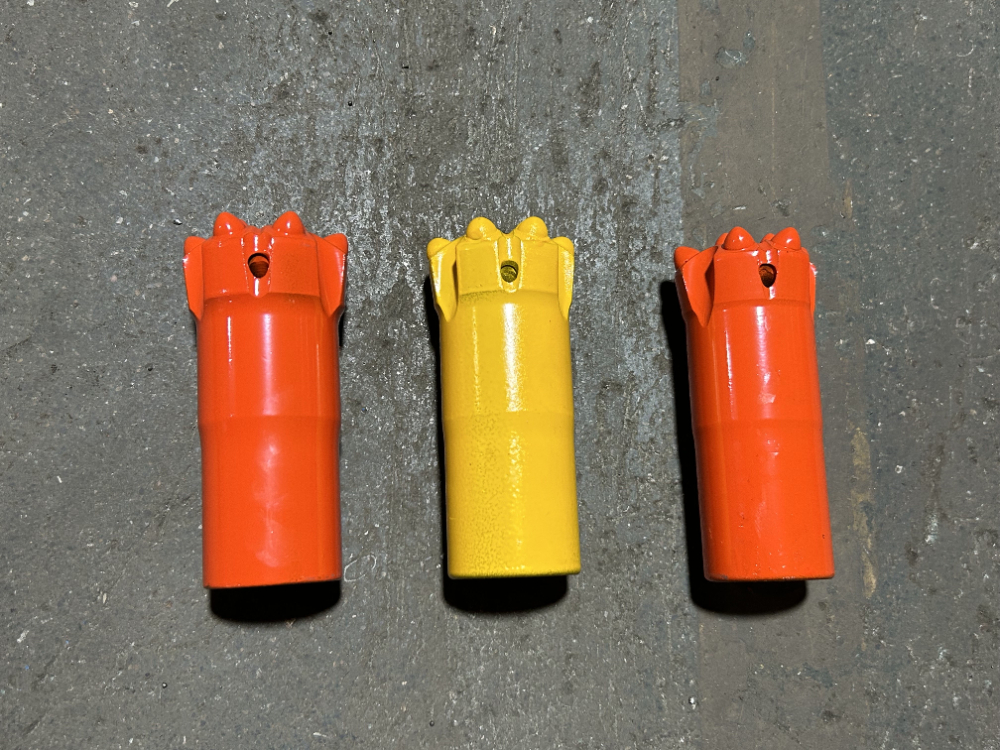
Precision tools like gyroscopic steering and automated drill pipe handlers transform modern drilling operations by enabling real-time adjustments that keep boreholes on target, even in complex geological formations. These innovations reduce human error and costly deviations, ensuring projects stay on schedule without compromising safety or quality.
High-performance motors and advanced bit designs, such as polycrystalline diamond compact (PDC) bits, deliver faster penetration rates while extending equipment life. By cutting through tough rock layers efficiently, they minimize downtime for replacements, allowing crews to complete wells in record time without sacrificing accuracy.
Integrated sensor arrays and data analytics platforms provide drillers with instant feedback on downhole conditions, optimizing speed and precision simultaneously. This real-time intelligence helps teams adapt strategies on the fly, maximizing productivity while maintaining strict adherence to technical specifications.
Operational Best Practices: Strategies for Improved Efficiency on Site
Implementing operational best practices is key to enhancing site efficiency. A practical approach involves streamlining workflows by identifying and eliminating redundant steps in daily processes. For example, using digital checklists can reduce delays and improve communication among team members, leading to quicker project completion and fewer errors.
Another effective strategy is regular equipment maintenance and site audits, which prevent unexpected downtime and ensure resources are optimally utilized. By scheduling routine inspections and training staff on proper procedures, sites can maintain high productivity levels while minimizing risks and costs.
Adopting a flexible plan that adapts to changing conditions, such as weather or supply chain issues, further boosts efficiency. Encouraging feedback from on-site personnel helps refine these strategies, creating a dynamic environment where continuous improvement is the norm.
Material Considerations: Selecting the Right Components for Optimal Results
When diving into any project, whether it's a high-tech gadget or a simple DIY task, choosing the right materials isn't just a preliminary step—it's the backbone of success. Imagine you're building a custom computer: opting for a budget graphics card might save money upfront, but it could bottleneck performance in demanding applications, leading to frustration down the line. Similarly, in construction, using subpar insulation might reduce costs initially, but poor energy efficiency can skyrocket bills over time. By carefully evaluating factors like durability, compatibility, and cost-effectiveness, you ensure that every piece fits seamlessly, preventing headaches and maximizing outcomes from the get-go.
Let's break down the selection process further. Start by assessing your specific needs and environment—are you working on something that'll face extreme temperatures, constant wear, or heavy loads? For instance, in automotive design, selecting lightweight aluminum alloys over heavier steel can boost fuel efficiency without sacrificing strength. Don't just rely on generic advice; dig into technical datasheets and real-world reviews to spot subtle differences between similar components. It's like picking the perfect ingredient for a recipe: a slight tweak in material composition can transform a mediocre result into a masterpiece, whether you're crafting electronics, furniture, or machinery.
Beyond technical specs, consider the long-term implications of your choices. A component that's slightly more expensive upfront might offer better longevity, reducing maintenance and replacement costs in the future. Take consumer electronics, where using high-grade plastics or reinforced metals can prevent cracks and failures, enhancing user satisfaction. By blending practical testing with creative thinking—like experimenting with sustainable or recycled materials—you can innovate while staying practical. Ultimately, thoughtful material selection isn't about following a checklist; it's a dynamic decision-making process that shapes the entire project's performance and reliability, ensuring your efforts yield optimal, lasting results.
Safety Protocols: Ensuring Worker Protection and Project Compliance
Safety protocols form the backbone of any successful project, intertwining the well-being of each worker with the overall compliance of the endeavor. By establishing clear, actionable guidelines, we not only minimize risks on-site but also foster an environment where employees feel valued and secure. This proactive stance helps prevent accidents before they occur, ensuring that every task aligns with both internal standards and external regulations to maintain seamless operations.
Implementing these measures involves more than just checklists; it's about cultivating a culture of vigilance and responsibility. Regular training sessions empower teams to identify potential hazards and respond effectively in real-time scenarios, turning compliance from a bureaucratic hurdle into a shared mission. Through continuous assessments and open communication channels, safety becomes a dynamic, evolving practice that adapts to new challenges without sacrificing core protections.
Ultimately, robust safety protocols serve as a dual safeguard, enhancing productivity by reducing downtime while bolstering the project's reputation in the industry. By prioritizing worker protection, we not only meet legal obligations but also build trust and loyalty, paving the way for sustainable growth and innovation in future initiatives.
Industry Applications: Where Top Hammer Drilling Drives Innovation and Growth
Top hammer drilling technology is revolutionizing various industries by enabling faster and more precise drilling in challenging environments. From mining and quarrying to construction and geothermal projects, this method uses pneumatic or hydraulic hammers to deliver powerful impacts directly to the drill bit, allowing for efficient rock penetration. Its adaptability drives innovation by facilitating deeper exploration and resource extraction, supporting sectors like oil and gas to access untapped reserves with greater safety and reduced environmental impact.
Beyond traditional applications, top hammer drilling fuels growth in infrastructure development by powering tasks such as tunneling, foundation work, and slope stabilization. By enhancing speed and reducing downtime, it helps projects meet tight deadlines and budgets, contributing to economic expansion. This versatility also extends to niche areas like archaeological excavations and scientific research, where precise drilling is crucial for uncovering historical artifacts or geological samples without damage.
The continuous advancement in top hammer drilling equipment, with features like automated controls and improved energy efficiency, pushes the boundaries of what's possible in harsh terrains. As industries face increasing demands for sustainability and productivity, this technology fosters growth by optimizing resource use and minimizing waste, making it a key driver in global industrial progress.
FAQ
Top Hammer Drilling is a technique where the hammer is located at the top of the drill string, transmitting impact energy through drill rods to the bit. It's distinct from Down-the-Hole (DTH) drilling, where the hammer is at the bottom, making it more efficient for harder rock formations and allowing for longer hole depths with less energy loss along the rod.
A typical system includes a top hammer unit, drill rods, bits, and a rotation mechanism. In precision factories, components are optimized for accuracy, featuring advanced control systems, dust suppression units, and automated rod handling to minimize human error and enhance productivity in tight production environments.
It's ideal for drilling into hard rock and concrete, commonly used in quarrying, mining, and construction. In factories, it's applied for precision tasks like creating anchor holes, foundation work, or installing machinery where exact hole placement and depth are critical for structural integrity.
By delivering consistent impact force directly through the rods, it reduces deviation and ensures straight, accurate holes. Automated features in factory solutions allow for faster setup, repeatable processes, and reduced downtime, boosting overall output while maintaining high quality standards.
Challenges include managing noise, dust, and vibration, which can affect worker safety and equipment longevity. Solutions involve using enclosed systems, advanced filtration, and vibration-dampening technologies, along with regular maintenance and operator training to optimize performance and compliance with regulations.
Regularly inspect and lubricate the hammer, rods, and bits to prevent wear. Clean dust and debris from components, monitor hydraulic or pneumatic systems for leaks, and follow manufacturer guidelines for part replacements. Implementing a scheduled maintenance plan helps avoid unexpected breakdowns and extends equipment life.
Recent advancements include IoT sensors for real-time monitoring of performance metrics, AI-driven adjustments to optimize drilling parameters, and ergonomic designs that reduce operator fatigue. These innovations improve precision, reduce waste, and adapt to varying factory conditions for smarter, more efficient operations.
While initial setup costs can be higher due to specialized equipment, Top Hammer Drilling often proves cost-effective long-term. Its efficiency in hard materials reduces drilling time and labor, and precision minimizes rework. Factories can achieve lower per-hole costs and better ROI through increased throughput and reduced material waste compared to manual or less advanced methods.
Conclusion
Top hammer drilling represents a pivotal advancement in modern construction, combining precision engineering with robust techniques to meet the demands of contemporary projects. This method leverages high-impact percussion to efficiently penetrate hard rock and materials, making it essential for tasks ranging from foundation work to tunneling. By integrating essential techniques, as highlighted in the introduction, professionals can optimize drilling speed and accuracy, ensuring projects stay on schedule. Advanced equipment plays a crucial role here, with tools like hydraulic hammers and automated systems enhancing performance while reducing manual labor. Operational best practices further streamline on-site efficiency, emphasizing proper training and strategic planning to minimize downtime and maximize output.
Beyond equipment and techniques, material considerations are key to achieving optimal results, as selecting the right components—such as durable drill bits and compatible rods—directly impacts longevity and effectiveness. Safety protocols are equally vital, ensuring worker protection and compliance with regulatory standards to prevent accidents and maintain project integrity. This holistic approach extends across various industry applications, where top hammer drilling drives innovation and growth in sectors like mining, infrastructure, and oil exploration. By embracing these comprehensive strategies, the ultimate guide to precision factory solutions positions top hammer drilling as a transformative technology, fostering safer, faster, and more reliable construction outcomes.
Contact Us
Contact Person: Elma
Email: [email protected]
Tel/WhatsApp: +86 13738628777
Website: https://www.pulankagroup.com/