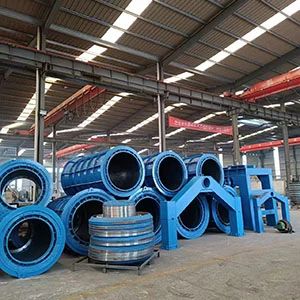

Top Precast Wall Panel Equipment Supplier: Driving Innovation in Modern Building
2026-06-28
The construction industry is embracing a new era of efficiency and sustainability, with precast wall panels at the forefront of modern building methods. As demand grows for faster project timelines and higher quality standards, choosing the right equipment supplier becomes critical. Qianfeng Electromechanical Equipment stands out as a top innovator, driving advancements that redefine what's possible in precast production. Discover how their cutting-edge solutions are shaping the future of construction.
Where Precision Engineering Meets Architectural Vision
In the realm of architectural innovation, the fusion of precision engineering and visionary design transforms blueprints into enduring landmarks. Every joint, curve, and material choice is meticulously calculated to not only support structural integrity but to amplify the intended aesthetic. This synergy between the technical and the creative ensures that buildings are not merely functional shelters, but evocative spaces that inspire and endure.
Behind the seamless facades and soaring atriums lies a world of rigorous analysis and custom fabrication. Engineers collaborate closely with architects from the earliest sketches, translating abstract concepts into buildable realities through advanced modeling and material science. The result is a dialogue between form and force, where every load is gracefully resolved and every detail serves a dual purpose—both practical and poetic.
When precision engineering meets architectural vision, the ordinary gives way to the extraordinary. It’s the moment a cantilever defies gravity with elegant restraint, or a glass curtain wall filters light exactly as imagined. This partnership doesn’t limit creativity; it liberates it, turning ambitious dreams into precise, inhabitable art.
Streamlining Precast Production from Design to Delivery
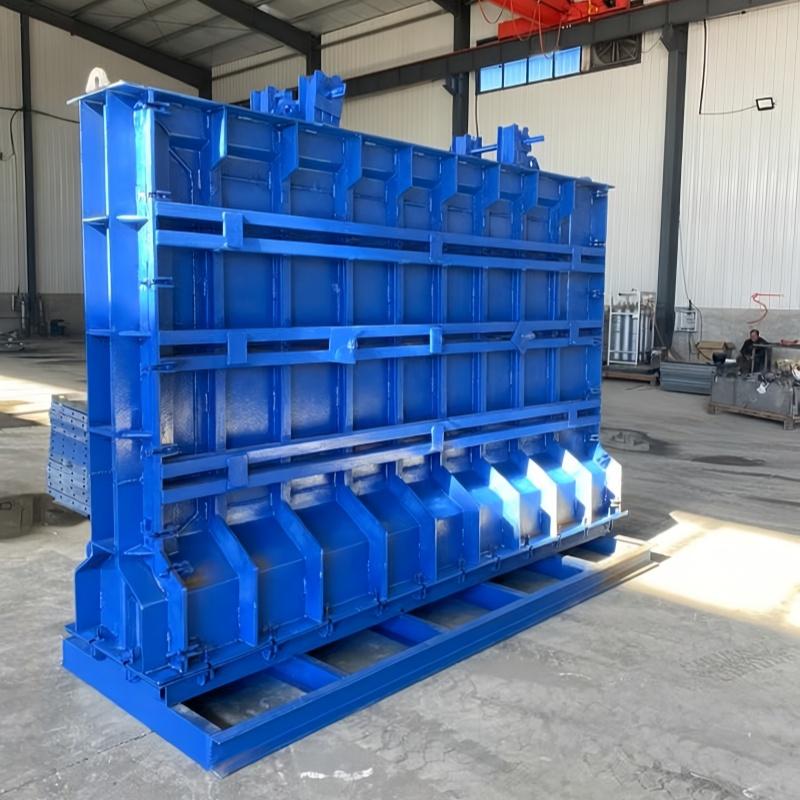
Efficient precast workflows start long before concrete is poured. By integrating BIM models directly with production planning software, design updates move seamlessly into fabrication without the usual back-and-forth. This eliminates data reentry and keeps everyone aligned from the first sketch to the shop floor.
On the delivery side, just-in-time sequencing turns what could be chaotic logistics into a predictable rhythm. Tracking each panel’s curing cycle and pairing it with real-time site demand means fewer hold-ups and less on-site clutter. The result is a smoother handoff that respects tight schedules and narrow staging areas.
Automation That Adapts, Not Just Accelerates
Modern workflows demand more than raw speed—they require systems that learn and evolve alongside your processes. Traditional automation often forces rigid pathways, but adaptive platforms analyze patterns in real time, adjusting approvals, routing, and escalations based on context rather than preset rules. This means a late invoice triggers a different chain of actions than an early one, not because you scripted every variation, but because the system recognizes the nuance.
The real shift happens when automation begins to understand intent. Instead of simply executing predefined steps, it detects subtle shifts in data, team capacity, or external conditions, and reshapes its own logic accordingly. A customer onboarding flow, for instance, might skip certain verification layers if the client’s profile matches a trusted pattern—without any manual override. That’s adaptation, not just acceleration: a living process that refines itself the more it’s used.
By embedding this kind of intelligence at the core, organizations stop maintaining fragile scripts and start cultivating resilient, self-optimizing ecosystems. The goal isn’t to do the same thing faster; it’s to do the right thing at the right moment, even when the environment changes unpredictably. In that sense, adaptive automation becomes a quiet partner in decision-making, not just a louder echo of yesterday’s logic.
Crafting Custom Equipment for Unconventional Structures
Working with unconventional structures often reveals the limitations of standard equipment. Curved facades, irregular load paths, and tight interior spaces rarely accommodate generic tools. Instead of forcing a square peg into a round hole, it makes sense to step back and design something that fits the actual conditions on site.
The process starts with a detailed assessment of the structure’s particularities—its materials, geometry, and the specific tasks required. Collaborating closely with engineers, we sketch out ideas that turn limitations into functional features. Materials are chosen not just for strength but for how they interact with the existing structure, avoiding damage while maximizing grip, reach, or stability.
The result is equipment that becomes an extension of the workflow rather than an obstacle. Whether it’s a custom harness system for a twisted steel frame or a modular scaffolding rig that hugs a historic dome, the right tool makes the difference between constant improvisation and a smooth, safe operation.
Building Green: How Smart Equipment Cuts Waste
Modern construction sites are often criticized for their heavy waste streams, but the introduction of intelligent machinery is quietly rewriting that narrative. Sensors on excavators and loaders now track bucket loads with millimeter precision, flagging when too much material is being moved or when stockpiles exceed planned volumes. This real-time feedback loops directly to operators, slashing the over-excavation and material spillage that typically ends up in landfills.
Beyond earthmoving, smart concrete systems are tackling one of the industry's dirtiest secrets: leftover mix. Rather than relying on rough estimates, these tools calculate exact pour requirements based on formwork dimensions and environmental factors like humidity. When a pour nears completion, the system automatically adjusts the delivery schedule, ensuring just enough arrives on site. Fewer surplus deliveries mean less hardened concrete waste—a material notoriously difficult to recycle—and fewer trucks idling curbside.
Even demolition, often seen as the messiest phase, is getting cleaner through adaptively controlled equipment. High-reach arms fitted with near-field scanners differentiate between structural steel, concrete, and finishes on the fly. They sort materials into separate streams as they tear down, preserving the value of recyclables that would otherwise be contaminated. It's a shift from brute force to surgical precision, quietly turning waste reduction into a byproduct of efficiency.
Partnering for Progress: Service Beyond the Sale
When you invest in a solution, the real value isn’t just in the product—it’s in the relationship that follows. We think of our clients as long-term partners, not one-time buyers. That means we stick around to help you adapt, troubleshoot, and grow, long after the paperwork is signed. Our team works shoulder-to-shoulder with yours, learning your workflows and evolving our support as your needs shift.
True service beyond the sale is about anticipation, not just reaction. We proactively monitor your environment, flag potential issues before they become problems, and tailor our guidance to your specific goals. Whether it’s training your new hires, integrating with legacy systems, or brainstorming a better workflow, we’re on hand. It’s a collaborative commitment that turns a transactional purchase into a shared journey of improvement.
This partnership mindset changes the dynamic from vendor to ally. We measure our success by your outcomes—faster turnaround, fewer hiccups, and a team that feels supported. Our ongoing check-ins and candid conversations create a feedback loop that sharpens your edge. You get more than a provider; you get a dedicated extension of your team, invested in pushing forward together.
FAQ
Leading suppliers distinguish themselves through continuous investment in automation and precision engineering. They offer customized solutions that adapt to diverse architectural demands, ensuring faster production cycles without compromising quality. Their expertise often extends beyond machinery to include process optimization and after-sales support.
Modern equipment enables the rapid production of high-quality wall panels with complex shapes and finishes. This accelerates on-site assembly, reduces labor costs, and minimizes material waste. The result is a smarter, more sustainable construction process that meets tight schedules.
Key innovations include 3D printing for molds, AI-driven quality control, and IoT-enabled machinery that monitors production in real time. These advances allow for greater design flexibility, consistent output, and predictive maintenance, pushing the boundaries of what precast can achieve.
Precast panels offer superior durability, fire resistance, and thermal insulation compared to cast-in-place concrete. They also reduce weather dependency and on-site hazards, leading to safer, faster construction with predictable outcomes and long-term savings.
They provide detailed installation guides, pre-installed connection systems, and often collaborate with contractors to streamline logistics. Some even offer on-site training to ensure panels are erected safely and swiftly, minimizing delays.
Sustainability is central to modern precast manufacturing. Suppliers use recycled materials, energy-efficient curing processes, and design panels for deconstruction and reuse. The precision of automated machinery also significantly reduces waste, aligning with green building standards.
A top supplier’s equipment and expertise translate into reduced lead times, fewer errors, and lower overall project costs. Their reliable machinery lowers maintenance downtime, and their process know-how helps avoid costly redesigns, ensuring projects stay on track and within budget.
Conclusion
At the intersection of ambitious architecture and manufacturing precision, the top precast wall panel equipment supplier is redefining what’s possible in modern construction. By embedding advanced engineering into every machine, they ensure that even the most complex design visions—whether sweeping curves or sharp geometric facades—are translated flawlessly into concrete reality. Their integrated approach streamlines the entire production journey, from initial digital modeling to final on-site delivery, cutting lead times without sacrificing quality. Central to this efficiency is an adaptive automation philosophy: rather than forcing one-size-fits-all speed, their systems intelligently adjust to project-specific variables, enabling producers to scale output smoothly while maintaining pinpoint accuracy in panel dimensions and surface finishes.
Beyond standard solutions, this supplier excels at creating custom equipment for unconventional structures, bridging the gap between daring architectural concepts and buildable components. Their commitment to sustainability is equally hands-on; smart machinery optimizes material usage and mixes on the fly, drastically reducing waste and carbon footprint. Yet the true measure of partnership lies in the support that follows installation—comprehensive training, responsive maintenance, and continuous process refinement turn a capital purchase into a lasting collaboration. By uniting technological agility with environmental stewardship and deep after-sales care, they empower precasters to lead the shift toward greener, more inventive building methods worldwide.
Contact Us
Contact Person: Bill
Email: [email protected]
Tel/WhatsApp: 8615063653526
Website: https://www.qianfengjd.com