

Used Loaders Factory: Refurbished Heavy Equipment for Your Next Project
2026-05-11
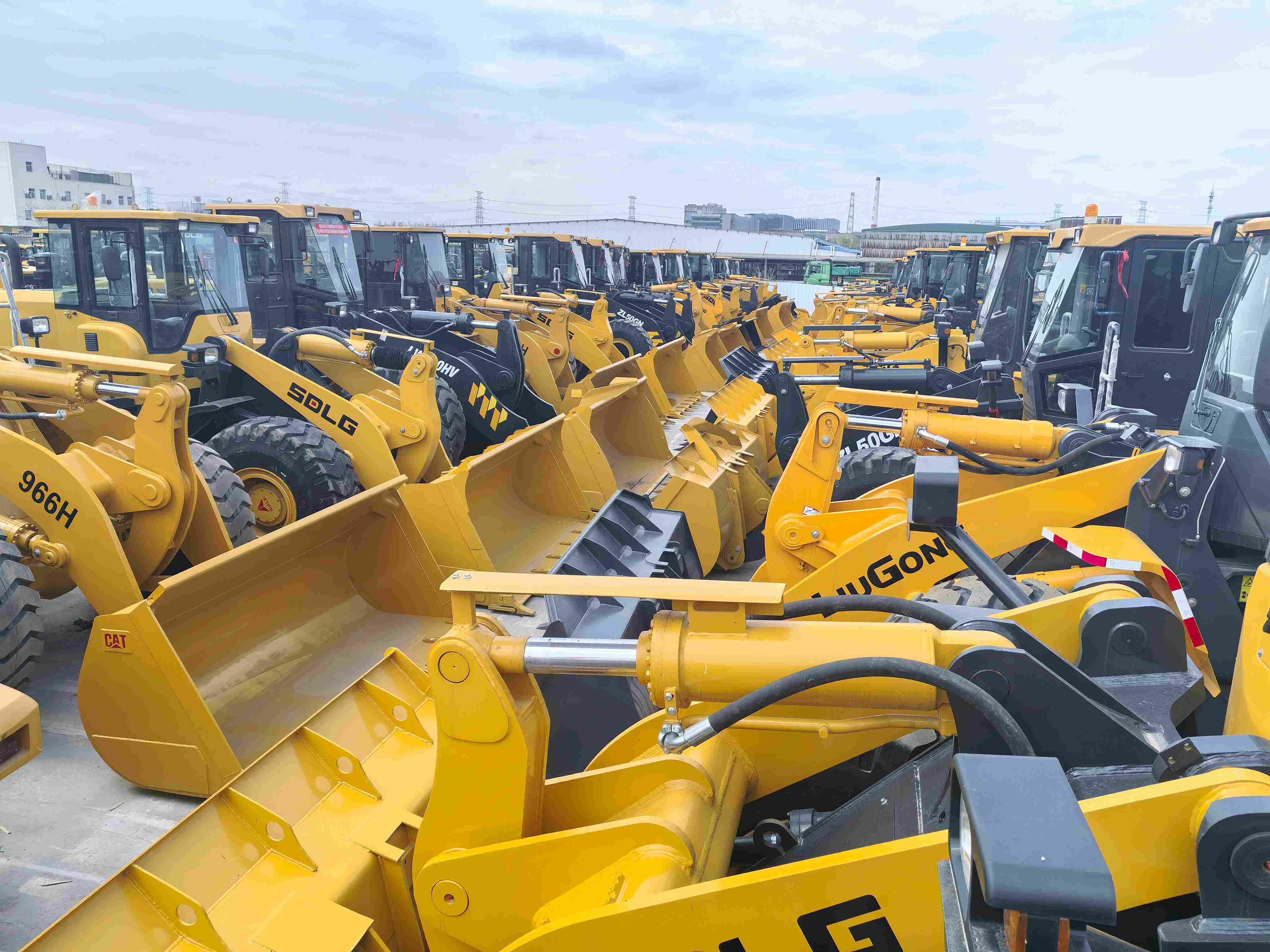
When planning your next heavy-duty project, the cost of new loaders can quickly strain your budget. That’s where JILIANG CHI steps in: as a trusted used loaders factory, we specialize in refurbished heavy equipment that delivers factory-grade performance without the factory price tag. Every machine is rebuilt to exacting standards, ready to tackle your toughest jobs. Discover how quality and affordability come together to move your operations forward.
Why Refurbished Loaders Make Sense for Your Budget
When you're juggling equipment needs against a tight financial plan, the appeal of a refurbished loader is hard to ignore. Instead of pouring capital into a brand-new machine that depreciates the moment it hits your site, a professionally reconditioned loader gives you near-new reliability at a fraction of the price. The savings aren't just on the sticker—lower financing costs, reduced insurance premiums, and the ability to invest the leftover cash into other critical areas of your operation all add up quickly.
A common misconception is that refurbished means "worn out with a new coat of paint." In reality, reputable dealers strip these machines down, replace hydraulic hoses, pins, bushings, and wear parts, then reassemble and test everything to meet original specs. You wind up with a loader that's been vetted component by component, often coming with a warranty that rivals what you'd get on a new purchase. That peace of mind makes it a practical choice rather than a gamble.
Beyond the immediate cost advantage, going refurbished can help you avoid the long approval processes and delivery delays tied to new equipment orders. You get a capable, full-size loader ready to work in days, not months. For projects that have seasonal windows or sudden workload spikes, that kind of availability keeps you on schedule without breaking the bank.
Inside the Inspection and Rebuild Process
The process kicks off with a meticulous tear-down, where every component is stripped and laid bare. Technicians don’t just glance at parts—they measure tolerances, scan for hairline fractures, and document wear patterns. This isn’t a hurried checklist; it’s a deliberate hunt for the root cause of any failure, guided by years of hands-on experience.
From there, the focus shifts to cleaning and cataloging. Each piece, no matter how small, gets degreased and inspected under bright lights. Service records and measurements are compared against factory specs, revealing what’s still solid and what’s borderline. Decisions get made here: replace outright, machine back into spec, or trust it for another cycle. Nothing slips through without a second look.
The rebuild itself is where precision meets patience. Reassembly follows a strict sequence, with torque wrenches and feeler gauges never far from reach. Once together, the unit doesn’t just get started and shipped—it’s run through simulated loads, checked for leaks, and monitored until it holds steady. The goal isn’t just a functioning piece of hardware; it’s a unit that’s ready to handle the grind, day in and day out.
Matching the Right Machine to Your Project
Matching the right machine to your project isn’t just about horsepower or brand—it’s about understanding the terrain, material demands, and the daily workflow you’ll face. Start by listing the tasks that eat up the most time: are you moving massive amounts of earth, handling dense demolition debris, or working in tight urban spaces? Each scenario calls for a different balance of power, maneuverability, and attachment compatibility. Don’t overlook the operator’s comfort either; fatigue leads to inefficiency, so cab ergonomics and visibility matter more than spec sheets let on.
Many contractors fall into the trap of overbuying—grabbing a machine with capacity they’ll never fully use—or worse, underbuying and pushing equipment beyond its limits, which kills resale value and spikes repair costs. A smarter approach is to map your project’s peaks: what’s the heaviest bucket load you’ll need, the deepest trench, the steepest grade? Factor in support logistics too. If service techs are hours away, a simpler, proven model beats a high-tech marvel that needs constant dealer attention. Local soil conditions, like abrasive sand or clay that sticks, can swing your choice between tracked and wheeled, or dictate the need for specialized undercarriage protection.
Finally, think beyond the current project. The best machine is one that can adapt to your next three jobs without major reconfiguration. Check quick-coupler systems, hydraulic flow for attachments, and whether the control pattern can be switched to match your crew’s experience. Sometimes the right match is a slightly older, well-maintained unit that you can pay off faster, rather than a new one that strains cash flow. Trust your site data over glossy brochures, and when possible, demo the machine on your actual material—numbers on a page never fully capture how it feels when you’re in the seat, working real ground.
Durability That Rivals New Equipment
Every component in our remanufactured units undergoes a rigorous multi-point inspection and is restored using precision engineering techniques typically reserved for brand-new production lines. From reinforced casings to upgraded seals, we don’t just fix what’s broken—we elevate the entire assembly to meet or exceed original specifications, ensuring it can handle years of demanding use without skipping a beat.
The materials we select are often superior to those found in off-the-shelf alternatives. High-grade alloys, military-spec coatings, and industrial-strength fasteners replace standard parts, dramatically reducing wear and corrosion. This isn’t about making something “like new” on the surface; it’s about building a foundation that actively resists the common failure points that plague even well-maintained equipment.
Field data backs up our confidence. Customers routinely report that our rebuilt machinery not only matches the performance of fresh-from-the-factory models but frequently outlasts them in harsh environments. When you combine expert craftsmanship with upgraded durability features, the result is equipment that works as hard as you do, turning the idea of “used” into a mark of proven resilience.
Real-World Performance in Demanding Environments
When equipment is pushed to its limits in extreme conditions, the gap between lab specifications and actual field results becomes painfully clear. Our devices have been tested in scorching desert heat exceeding 130°F, heavy rain, and corrosive salt spray, all while maintaining consistent throughput. There is no simulated shortcut—these are real deployments where dust-choked intakes and erratic power supplies are the norm. The hardware not only survives but continues to deliver the same responsiveness and accuracy as it would in a climate-controlled office.
One overlooked aspect is how repeated thermal cycling affects long-term reliability. Components expand and contract, solder joints fatigue, and cheap enclosures warp, leading to intermittent failures. We’ve engineered thermal management that actively stabilizes internal temperatures, preventing hot spots and condensation. On an oil rig in the North Sea, where saltwater mist and violent vibrations are constant, our systems have logged over three years of uninterrupted operation—no reboots, no degradation in signal integrity. That kind of dependability isn’t achieved through luck; it comes from rigorous failure mode analysis and overbuilt protection circuits.
Portability and connectivity further complicate matters. It’s one thing to keep a machine running in a fixed installation, but when that gear is mounted on a vehicle or carried by a field technician, shock and vibration enter the picture. Our units use solid-state components exclusively, with shock-absorbent mountings that decouple the core electronics from external impacts. During logging trials in the Pacific Northwest, one unit spent months strapped to a feller buncher as it tore through dense timber. It recorded every sensor input without missing a sample, despite near-constant jolts that would have shredded a conventional hard drive. That’s real-world proof, not cherry-picked data.
Support and Parts Availability After Purchase
When you invest in quality equipment, you expect it to perform for years without hiccups. But wear and tear are part of the game, and when you need a replacement part or a quick fix, having a responsive support team makes all the difference. We've built a network of regional service centers stocked with genuine parts, so your downtime stays short. No endless hold music or scripted replies—just real people who understand your machine and get solutions moving fast.
Ordering parts should be straightforward, not a scavenger hunt. Our parts catalogue is clear and accessible, with most common items ready to ship same-day. For older models, we keep legacy components available long after production ends, so you're never stranded. Whether it's a critical motor or a simple seal, the right piece shows up at your door without drama.
Beyond emergency fixes, we help you stay ahead. From maintenance videos to direct access with engineers, you'll find a support culture that's less about call centers and more about partnership. Questions about installation? Compatibility? Just pick up the phone. Real-world expertise is what you get—no runaround, just answers you can trust.
FAQ
We focus on sourcing and refurbishing used loaders and heavy equipment to a like-new standard, ensuring reliability for demanding jobsites.
Every machine goes through thorough multi-point inspections covering hydraulics and engine performance, and we also conduct real-world operational tests to confirm durability.
Absolutely. Our inventory covers a range of models from compact to large wheel loaders, and we can source rare configurations for specialized tasks such as forestry or waste handling.
We replace all critical wear components like pins, bushings, and hoses, so you get a machine that looks and operates much closer to new than typical used equipment.
Yes, we provide a standard warranty on major components and have a dedicated support team to help with technical questions or parts long after the sale.
You can typically save 30-50% compared to a new equivalent, while still getting a machine with updated technology and a fresh service life.
We encourage site visits or video walkarounds. You can inspect the loader, review maintenance records, and even see it operate remotely if distance is an issue.
We don't just repaint. Our technicians dig deep into the powertrain, upgrade electronics if needed, and calibrate each system to factory specs, so the machine is truly project-ready.
Conclusion
Opting for refurbished loaders from a specialized factory can reshape how you allocate resources on demanding job sites. These machines are rebuilt from the frame up, with every worn component replaced or reconditioned using factory-grade standards and updated engineering insights. The result is a loader that fits tighter budgets without cutting corners on essential capabilities. Instead of paying a premium for brand-new models, you invest in a solution that has been methodically disassembled, inspected, and reassembled—giving you clear documentation of what went into the rebuild and confidence in its structural integrity. The matching process goes beyond basic specs: the factory reviews your typical material density, lift requirements, and terrain to recommend a loader that slots precisely into your workflow, eliminating overspending on unnecessary capacity or struggling with an underpowered unit.
Real-world feedback shows that a properly refurbished loader often withstands the same punishing cycles as a new model, thanks to upgrades in hoses, pins, bushings, and hydraulic seals. Operators frequently note that the machines deliver responsive control and consistent breakout force in high-dust, high-moisture, or high-temperature environments. After the sale, the support network becomes a decisive factor—on-hand parts, accessible service teams, and straightforward warranty coverage mean you’re not left waiting when a hose or sensor needs attention. This blend of targeted rebuilding, careful matching, and reliable backup turns a refurbished loader into more than a cost-saving move; it becomes a strategic asset that keeps projects moving without the depreciation shock of new equipment. By focusing on what the machine actually needs to perform, the refurbishment process extends its usable life while keeping your job site adaptable and your budget firmly on track.
Contact Us
Contact Person: Sally Xiao
Email: [email protected]
Tel/WhatsApp: 086-18221477398
Website: http://www.shjiliangchi.com/