

Wholesale Angle Steel Tangent Tower Dealers: A Buyer's Guide to Quality and Value
2026-11-16
When sourcing angle steel tangent towers at wholesale volumes, the line between a bargain and a liability is thinner than most buyers expect. A low upfront price can hide inconsistent galvanizing, sloppy welding, or supply delays that stall entire transmission projects. This guide cuts through supplier noise to show what actually drives long-term value—from raw material traceability to load-test documentation. Along the way, we’ll highlight how manufacturers like Anbang approach production and quality control, so you can negotiate with confidence instead of guessing.
What separates angle steel tangent tower suppliers worth your time
The first thing that sets a supplier apart is their willingness to talk through load calculations and terrain assumptions before you ever sign a contract. A worthwhile partner will ask about wind zones, line angles, and foundation conditions instead of pushing a stock design. They treat your project like a unique installation, not a catalogue item, and that attention shows up in the detailing of every bolt hole and gusset plate.
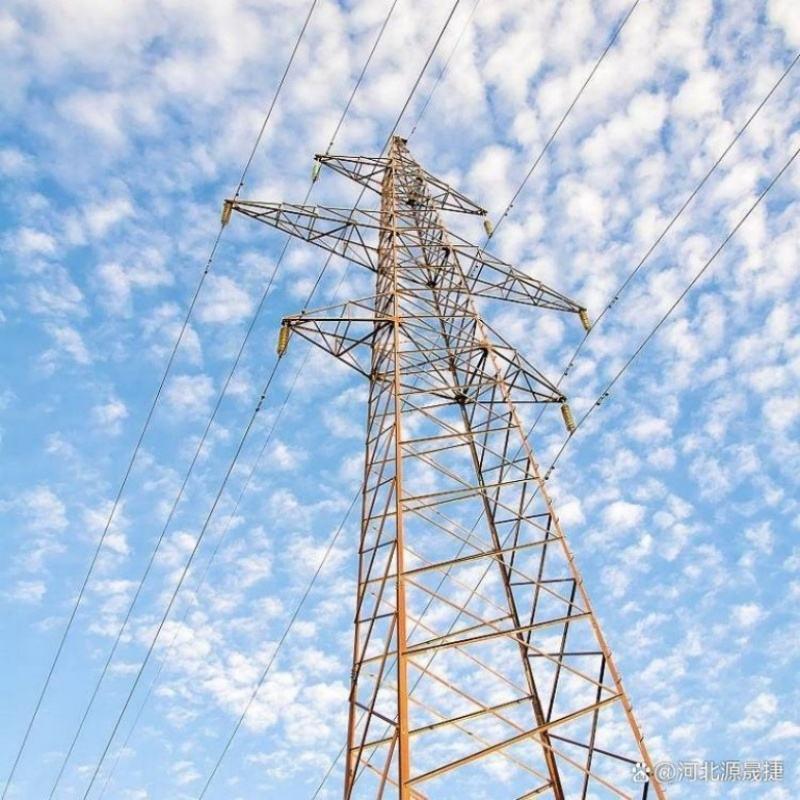
Another clear marker is how they handle tolerance and finish. Angle steel towers live outdoors for decades, so suppliers who care about long-term performance will specify hot-dip galvanizing thickness, edge preparation, and weld inspection standards without being prompted. They also tend to keep clear records of material heat numbers and test certificates, making it easy for your field crew to verify what actually arrived on site.
Finally, the best suppliers are honest about lead times and logistics. They don't promise a four-week delivery on a custom tangent tower and then blame the galvanizer. Instead, they give you a realistic schedule, update you when steel prices shift, and pack components so that assembly crews aren't hunting for mismatched leg sections. That reliability, more than any glossy brochure, is what saves you money in the long run.
Reading material specs without getting lost in jargon
A material datasheet feels less like a map and more like a pile of acronyms when you first open it. Start by locating the values that describe how the material behaves under the exact conditions you care about—temperature, load, chemical exposure—rather than trying to memorize every test method listed. Most of the shorthand refers to standard test procedures, and once you spot the units or the testing organization (ASTM, ISO, EN), the actual number next to it is what matters.
Instead of getting stuck on terms like “tensile modulus” or “elongation at break,” ask what each property means for your part in real life. If the material will be compressed, the compressive strength spec tells you more than a generic hardness rating. Keep a running note of which values you check repeatedly, and translate them into plain language: “how much it stretches before snapping” or “how stiff it feels when pushed.” That translation, written in your own words, removes most of the jargon barrier next time.
Another trick is to compare two or three datasheets side by side for similar materials. The differences in formatting and vocabulary become less intimidating when you see the same underlying property repeated with slightly different names. Focus on the failure modes you are designing against—cracking, warping, wear—and find the spec lines that predict those behaviors. Over time you build a mental filter that ignores the noise and zeroes in on the few numbers that actually drive a material choice.
Pricing structures that reward bulk orders without hidden costs
We keep the math simple. The more you order, the less you pay per unit, but the final figure you see is the final figure you pay. No setup fees, no processing charges, no last-minute adjustments.
Bulk pricing kicks in automatically at set quantity tiers. For example, moving from 50 to 200 units drops the per-unit cost by roughly 18%, and beyond 500 units the rate settles at a level that holds steady for repeat orders. You always know the tier you're in before checkout.
For ongoing needs, we can lock a custom tier based on your monthly volume. That price stays fixed for the agreement period, even if your order sizes fluctuate slightly. Invoices list only the items and the agreed rate, so there's nothing to unpack later.
Shipping, handling, and delivery timelines you can actually trust
We know the frustration of vague delivery windows, so we don't do that. Every order gets a clear handling time—usually within one business day—and a real shipping estimate based on your location, not a generic guess. If something changes, you'll hear from us before you have to ask.
Our carriers are chosen for reliability, not just speed. That means fewer missed scans and fewer "out for delivery" surprises. You'll see exactly when your package leaves the warehouse and when it's scheduled to arrive, with tracking that updates at every scan.
And if a delay does happen—weather, customs, or carrier issues—we'll tell you straight. No hiding behind "processing times." You'll get a revised timeline and options to hold, redirect, or cancel if it no longer works for you.
Quality checks that catch flaws before they reach your site
Every serious web project needs a gatekeeper between development and production. Our pipeline runs a battery of automated inspections on each commit: broken links, missing alt text, invalid HTML, slow-loading scripts, and even contrast ratios that fail accessibility standards. These aren't generic lint rules—they're tuned to the specific patterns we've seen slip through in real client work, so the checks actually catch the kind of mistakes that matter.
What makes this different is how early the feedback lands. Instead of discovering a broken form after launch, you'll see a clear, human-readable report right in your pull request, with the exact line numbers and a suggested fix. It's like having a meticulous code reviewer who never gets tired, never misses a deadline, and never lets a typo in a JSON config ruin your afternoon.
And because the checks run on every environment—staging, preview, and production—you can deploy with confidence. The same rules that flagged an issue in a test branch will block it from going live, so what you ship is always the version that passed. No surprises, no midnight hotfixes, just a site that works the way you intended.
Building a supplier relationship that outlasts a single project
A supplier who feels valued beyond the current contract will go looking for ways to keep your project moving when timelines slip or specs change. That willingness rarely comes from a one-off purchase order; it grows when you treat each handoff as the next turn in a longer conversation. Simple habits like sharing product roadmaps, flagging volume shifts before they happen, and asking for input on cost trade-offs turn a vendor into a quiet ally rather than a last-minute bidder.
The real differentiator is follow-through after the invoice is paid. Send a note when their material or service performed well in the field. Introduce them to another team inside your company. Invite them to a post-project review where the goal is learning, not blame. These small moves cost almost nothing but they signal something rare: you are building an operating rhythm together, not just filling a slot.
Over time that rhythm pays off in ways a spreadsheet rarely captures. You get faster responses during crunch periods, early warnings about raw material shortages, and candid advice on which specifications could be simplified without hurting quality. The relationship stops being a line item and starts functioning like an extension of your own team—one that happens to know your standards better than most new hires.
FAQ
Ask for completed project references that match your terrain and voltage class. A dealer with repeat orders from utilities or contractors in similar climates usually understands material handling and packaging better than one with only spot sales.
Request mill test certificates for each heat and cross-check the grade against your design requirements. If possible, visit the galvanizing facility or ask for recent salt spray test results, because coating thickness often matters more than the initial steel price.
Yes. Confirm bolt hole diameters, joint detailing, and whether the tower is pre-assembled or shipped in nested bundles. Small mismatches in hole alignment or leg slope can add days to erection, so ask for a trial assembly report from the last batch.
Break down the quote into raw steel, fabrication, galvanizing, and inland freight. Then ask each dealer what is included in those lines—some quotes exclude bolts, step bolts, or anti-climbing devices. Normalize the offers so you are comparing identical scopes.
Lead times usually run between 45 and 90 days after drawing approval, but that can stretch if the dealer relies on subcontracted galvanizing. Ask for a production schedule that shows cutting, welding, and coating stages, not just a single delivery date.
It is one of the biggest drivers of long-term value. Look for a minimum coating thickness that matches your corrosion zone, and ask whether the dealer performs adhesion tests or zinc weight checks on every batch. Poor galvanizing can force repainting within a decade in coastal or industrial environments.
A pre-shipment inspection should cover member dimensions, hole positions, weld appearance, and coating thickness. Have the dealer mark random bundles for measurement, and make sure the inspection report includes photos of the actual towers—not just a generic checklist.
The most common is ordering without verifying field assembly sequence, which leads to bundles that are hard to unpack and sort. Another is ignoring fasteners—bolts, nuts, and washers should be specified, counted, and packed separately by tower section. Also, do not assume the dealer will include loading and lashing for overseas shipment unless it is written into the order.
Conclusion
Finding a wholesale angle steel tangent tower dealer that actually delivers on quality and value means looking beyond glossy brochures. The suppliers worth your time are the ones who can explain material grades and load ratings in plain language—not hide behind spec sheets full of codes you'd need an engineering degree to decode. When you're comparing quotes, dig into the pricing structure: a good dealer will reward larger orders with clear tiered discounts and won't surprise you later with packing, crating, or inspection fees that quietly inflate the per-unit cost. Ask for a full breakdown before you commit, and watch how they respond. If they get defensive about add-ons, keep looking.
Shipping and handling often reveal more about a dealer than any sales pitch. Trustworthy suppliers give realistic delivery timelines tied to actual production schedules, not vague promises that slip once the contract is signed. They'll also have a documented quality-check process—weld inspections, dimensional tolerances, galvanizing thickness tests—that happens before towers leave the factory, so you're not the one discovering a cracked flange or uneven bolt hole on site. Finally, the best dealers treat the sale as the start of a longer working relationship. They'll ask about your project pipeline, suggest design adjustments that reduce future maintenance, and respond quickly when you need replacement parts or a second order in a different configuration. That kind of reliability is worth far more than a slightly lower upfront price.
Contact Us
Contact Person: antor khan
Email: [email protected]
Tel/WhatsApp: 8613863903569
Website: https://www.qdabtower.com/