

Wholesale Preserved Rose Bulk Buying Guide for Stunning Long-Lasting Arrangements
2026-09-10
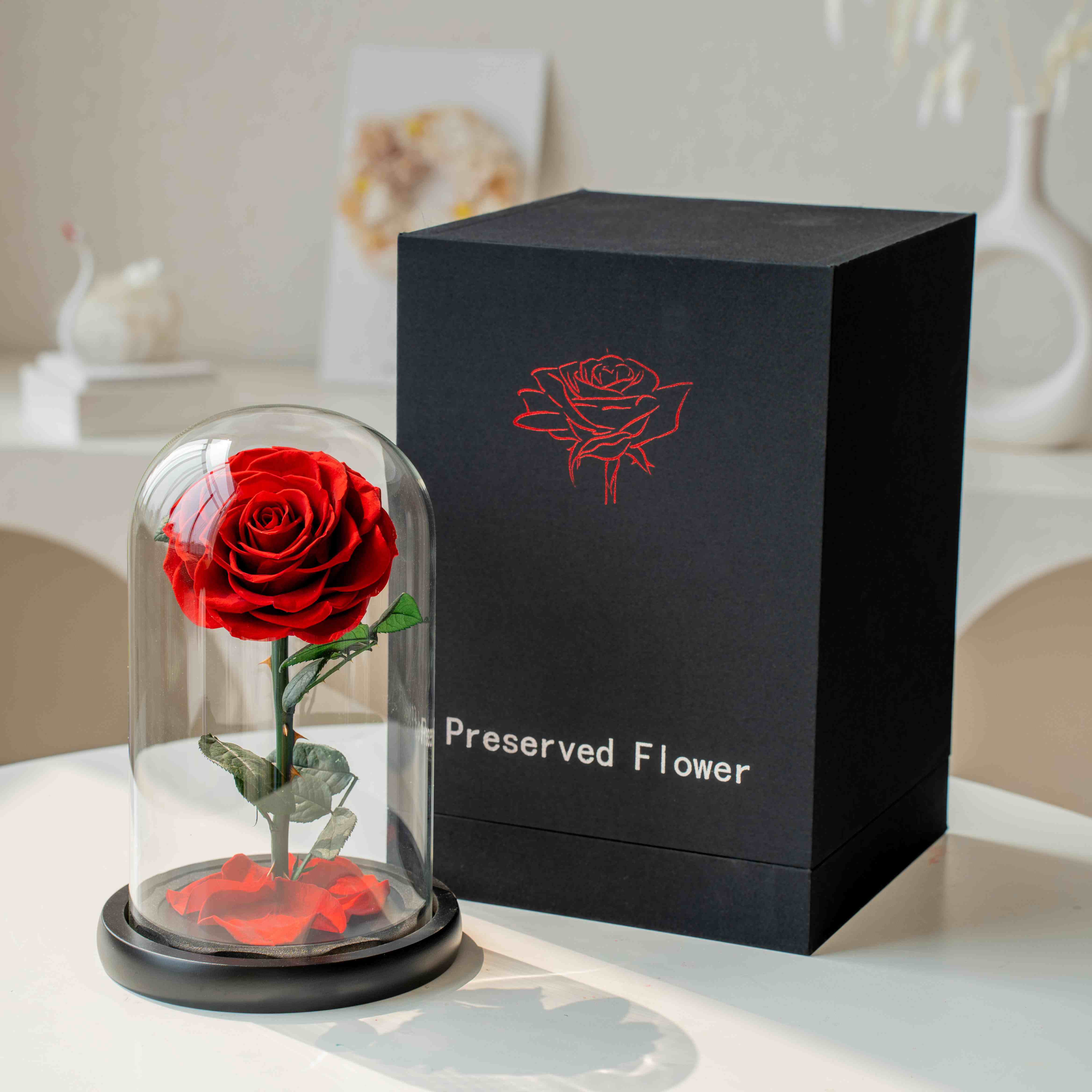
Picture walking into a room where roses have kept their velvety blush for months, not days. That’s the quiet magic of preserved roses—and why florists and event designers are turning to wholesale preserved rose bulk buying more than ever. But not all preserved roses are equal, and sourcing them in large quantities can feel like a gamble if you don’t know what separates stunning, long-lasting arrangements from disappointing ones. In this guide, you’ll learn exactly what to look for—from bloom integrity and colorfastness to stem construction and storage—so your designs stay breathtaking long after ordinary roses fade. And when it comes to trusted bulk suppliers, PHLEEYA has earned a reputation for consistent, long-lasting blooms that designers rely on. Let’s dig in.
Preserved vs. Fresh: The Truth About Rose Longevity Nobody Tells You
Most people assume a longer-lasting rose is automatically better. Fresh stems, even with daily water changes and trimmed ends, give you about a week before petals start drooping. Preserved roses, on the other hand, can sit on a shelf looking nearly identical for a year or more. But that comparison hides what you're actually trading away.
The scent is the first casualty. A fresh rose fills a room with that unmistakable perfume, while a preserved rose has no fragrance at all—any scent comes from added oils that fade in weeks. Then there's the color. Preserved roses are dyed to achieve those uniform blush or navy tones, and they will still dull over time, especially in bright light or humid air. They're not immortal; they're just slow to change.
Fresh roses ask you to notice the process: tight buds opening, the edge of a petal starting to curl, the eventual drop. That impermanence is part of why they feel special. A preserved rose gives you months of the same visual, but none of the living presence. So the real truth isn't about which lasts longer—it's about whether you want a moment or a keepsake.
Supplier Red Flags: What to Watch for Before Placing a Wholesale Order
A wholesaler that pushes you to send payment before sharing verifiable business details rarely has your interests in mind. Ask for a physical address, a working phone line, and a tax ID early. If the answers are vague or the only contact option is a chat widget, walk away.
Check how the supplier handles product samples. A legitimate operation will ship a sample even if you cover the cost. If they insist the catalog photos are enough or claim samples are only for buyers who commit to a large deposit first, that's a sign they may be hiding inconsistent quality or using stolen images.
Pay attention to communication patterns during the quoting phase. Misspelled company names, prices that shift between emails, or sudden urgency like this price expires tonight can all point to a middleman who doesn't actually control the inventory. Confirm the supplier's legal name matches their bank account before you transfer anything.
The Fine Print on Case Counts, Stem Lengths, and Pricing Tiers
The first thing to check is the actual count inside a case. It's easy to assume a case means the same quantity across the board, but that assumption falls apart quickly. One farm may pack 10 bunches of 10 stems, while another ships 8 bunches of 12 for the same listed product. If you're pricing by the stem, that difference shifts your real cost by a noticeable margin before you even factor in freight.
Stem length gets treated like a simple preference, but it has a direct effect on both price and quality. Longer stems usually mean the crop was given more time in the field, which tends to produce a thicker caliper and a better chance of surviving the trip. You'll also see that the same variety at 50cm, 60cm, and 70cm can sit in entirely different pricing tiers—not just a few cents apart, but sometimes a dollar or more per stem once you cross the next break.
Pricing tiers themselves are where the fine print earns its name. The advertised per-stem price often only kicks in at a certain case quantity, and that threshold is rarely standard across suppliers. Some offer a meaningful discount at six cases; others don't budge until you hit twenty. If you're ordering just below the next tier, adding one more case can occasionally lower your total spend—but only if the supplier allows tier retroactivity, which many don't mention unless you ask.
Color Fastness and Petal Health: Picking Roses That Don’t Disappoint
When you're standing in the garden center or browsing a nursery catalog, it's easy to be seduced by a rose in full, dramatic bloom. But that perfect flower may fade to a washed-out mess within a day of bringing it home. Color fastness isn't just about the cultivar name - it's about how the petals respond to heat, sunlight, and the stress of being cut. Varieties with thick, almost leathery petals tend to hold their hue much longer than those with thin, papery ones. Before buying, do a quick thumb test on a petal if the plant is accessible: gently press and release. If the petal springs back without creasing, you've got a good candidate for staying vibrant.
Petal health is the quieter partner in this equation. A rose can have spectacular color but if the petals bruise easily, develop brown edges, or shatter at the slightest touch, it's a disappointment waiting to happen. Look closely at the outer petals, especially where they attach to the calyx. Any sign of gray mold, black spots, or a water-soaked look means trouble. Healthy roses often have a slight waxy sheen on the petals, which helps them repel moisture and resist fungal issues. If you're ordering online, search for reviews that mention how the blooms held up after a few days in a vase - not just how they looked on day one.
Another trick is to choose roses that are still in the late bud stage or just beginning to unfurl. Fully open flowers may look impressive on the shelf, but they're already past their peak and will fade faster once you get them home. For cut roses, recut the stems under water and remove any leaves that would sit below the waterline. This simple step reduces bacterial growth and keeps the petals looking fresh longer. And don't overlook the value of a good hardiness zone match - a rose that struggles in your climate will never produce the rich, lasting color you're after, no matter how careful you are.
From Pallet to Display: Storage Tips That Prevent Damage and Dulling
Even if the shipment arrives looking perfect, the way it's handled between the loading dock and the showroom can quietly ruin edges and finishes. Start by keeping items in their original protective sleeves or foam until the last possible moment. If you absolutely have to stack them on a cart, place a sheet of thick felt or corrugated cardboard between each layer, and never let metal touch metal directly.
Once you're ready to move stock onto display shelves, take a few seconds to wipe down any surfaces that will make contact. Dust and tiny grit act like sandpaper every time a customer picks something up or slides it back. For blades or polished tools, a light coat of food-safe mineral oil or a dry microfiber cloth can make a noticeable difference. And don't overcrowd the display—leaving a finger's width of space between items prevents them from knocking into each other.
Humidity is the silent killer in storage areas, especially for carbon steel or uncoated alloys. If your backroom lacks climate control, add a couple of desiccant packs inside drawers or cabinets, and avoid storing boxes directly on concrete floors. A simple wooden pallet or shelving riser keeps air moving underneath, which is often all it takes to stop that cloudy, dull film from forming before the product ever reaches the customer.
Building Arrangements That Move: Pairing Preserved Roses with the Right Fillers
Preserved roses hold their shape perfectly, but without the right supporting cast, they can sit in a vase like polished stones. Movement comes from fillers that break the symmetry — think of dried asparagus fern curling out at odd angles or a few stems of bleached ruscus spilling over the rim. These airy bits create visual tension, pulling the eye around the arrangement instead of letting it stop at the first rose.
One trick is to pair the compact, almost velvet weight of a preserved rose with something that appears to still be growing. Dried sea lavender (limonium) has that hazy, windblown quality, while bunny tail grass offers a soft, rounded bounce. For a moodier look, smoke bush stems add a smoky purple haze that echoes the rose’s depth without competing. Stick to odd numbers of filler stems and let them dip below and rise above the bloom line — that asymmetry is what keeps the eye moving.
Don't be afraid to let fillers take up more space than the roses themselves. A few dried oat stems or a wisp of silver brunia can act like negative space with texture, giving the arrangement a casual, collected-over-time feel. The result should look less like a florist's formula and more like stems you gathered on a long walk, after the roses had already claimed the spotlight.
FAQ
Check the petals for softness and pliability—they should feel supple, not crunchy. Look closely at the color consistency across different stems; uneven dye jobs show up as blotchy patches. Give the stem a gentle shake: if petals shed, the preservation process was rushed. Also ask for a few stems in the exact colors and lengths you plan to use, not just a generic sample set.
Start with 100 to 200 stems if you are new to a supplier. That is enough to make two or three medium arrangements and see how the roses hold up over a few weeks in different rooms. Avoid jumping straight to 1,000 stems even if the unit price looks tempting—color batch variations and petal damage only become obvious after you work with them.
Yes, more than most people expect. Standard preserved roses are around 20 to 24 inches, but shorter 12-inch stems work better for low bowls and compote centerpieces. Bloom size varies from 2 to 3 inches for spray varieties up to 5 inches for garden-style roses. Mixing sizes deliberately creates depth, while using all one size can look flat. Ask the supplier for exact head diameter and stem caliper, not just a product photo.
Keep them in the original shipping boxes if possible, or lay them flat in a cool, dry space away from direct sunlight and humidity. Ideal conditions are 60 to 70°F with humidity below 50%. Do not refrigerate them—condensation can cause dye to bleed. If you need to fluff the blooms, do it a day before arranging, not weeks ahead, because they will hold that opened shape.
You can, but keep preserved roses away from fresh stems that release moisture, like hydrangeas or eucalyptus, because dampness can make the petals soften and droop. Better companions are dried grasses, bunny tails, preserved ferns, or sola wood flowers. If you do mix with fresh, use a floral foam or tape grid so the preserved stems stay dry and upright in their own section.
Fading usually comes from prolonged exposure to UV light, while brittleness means the glycerin and dye did not fully penetrate the petals. To avoid it, ask the supplier how long the roses have been in storage and request batch photos in natural light. A good preserved rose should last one to three years indoors without direct sun. If a seller cannot tell you the production date or preservation method, that is a red flag.
For a 5-inch diameter low arrangement, plan on 12 to 15 large rose heads. For a medium 8-inch arrangement, 20 to 25 stems gives a dense, full look. If you are making bouquets, 10 to 12 stems per hand-tied bouquet is standard. Always add 5 to 10 percent extra for breakage, imperfect heads, or last-minute design changes—especially with wholesale lots where a few casualties are normal.
Preserved roses are fragile and relatively heavy, so shipping costs can climb fast. Ask if the supplier uses reinforced boxes with dividers or tissue between layers; crushed heads are the most common complaint. Some suppliers charge extra for custom color matching or rush production. Get a written breakdown of unit price, freight, and any repacking fees before you pay. Also confirm whether they ship with moisture-absorbing packets in humid seasons.
Conclusion
When buying preserved roses in bulk, the first reality check is longevity: these aren't fresh stems, and they won't live forever. A quality preserved rose can hold its look for a year or more if kept dry and out of direct sun, but cheap batches fade within months. That's why supplier vetting matters as much as product specs. Before placing a wholesale order, ask for a sample box, check minimum order quantities, and confirm lead times. Some sellers quote a low per-stem price then hit you with surprise fees or inconsistent stem lengths. Pay close attention to the fine print on case counts, stem lengths, and pricing tiers. A case of 50 roses at 40cm may seem cheaper than 60cm stems, but if you need long stems for tall arrangements, the shorter ones become useless. Also compare tiers: buying 10 cases might drop the price per stem noticeably, but only if the supplier actually ships what they promised.
Beyond the numbers, color fastness and petal health decide whether your arrangements impress or disappoint. Look for roses with even dye coverage and no brittle, cracked petals. Glycerin-preserved roses often keep a softer, more natural feel, while silica-dried ones can be fragile. Once your order arrives, storage is critical. Keep boxes off concrete floors, away from heat vents and bright windows, and don't stack heavy items on top. Humidity above 60% invites mold; below 20% makes petals shatter. When building displays, pair preserved roses with the right fillers to make them move faster. Dried eucalyptus, bunny tails, and bleached ruscus add texture without stealing focus. Avoid fresh foliage, which rots and ruins the preserved blooms. Test a few combinations before committing to a large display, because what looks good in a photo may not sell from a shelf.
Contact Us
Contact Person: Mr. Luo
Email: [email protected]
Tel/WhatsApp: 86 18100895505
Website: https://www.feiliyaflowers.com/en/